
The week a virus arrives is decided before antibodies exist.
A cytoplasmic sensor relay detects viral RNA and triggers the interferon program (MAVS, interferon), while surface receptors read conserved pathogen signatures (TLR4). The effector arm runs on interferon-γ (IFN-γ), against inflammatory transcription held in check (NF-κB). Two micronutrients are rate-limiting rather than optional (vitamin D, zinc). The readouts are broad immune support and resistance to infection itself.
A good immune week is built before the exposure. Immune balance is the object rather than immune maximum — TNF-α, IL-6, the inflammatory alarm and inflammatory signaling are what make an infection feel worse than it is. Antioxidant defense, mitochondrial energy, energy sensing and cellular cleanup supply the response, the gut barrier is where most of it lives, and worn-out cells cleared with plaque clearance are what a low-grade response costs across years — blood flow, cholesterol, fat burning, anxiety and the longevity gene alongside.
Ten primary pathways of the thirty it targets. A pathway opens only on graded, published evidence, shown with its source at the ingredient level.
Educational only. Not evaluated by the FDA.
The story of Victorious (Antiviral Immunity)
Victorious — ‘The Garrison’ — for the week the season turns. Half the office is out. Someone on your train is already carrying it. You cannot choose whether you meet the virus this season. You can choose what it meets when it arrives. A garrison is not raised when the enemy is at the gate. It is kept ready. Readiness begins with the watch (immune surveillance): immune cells patrolling every tissue, checking every cell they pass. They carry tripwires that recognize the molecular signatures of a microbe, or of the damage it causes (DAMPs and PAMPs), and sentinels on the cell surface that raise the first alarm (TLR4). When a virus slips inside a cell, the cell’s first move is to warn its neighbors. It releases a signal that tells the cells around it to bar their doors and shut down the machinery a virus needs to copy itself (the type I interferon response, the alarm before the army). Then the army arrives, and one of its sharpest weapons is a second antiviral signal that directs the removal of infected cells (IFN-γ, the antiviral arm). Two nutrients are built into this machinery itself. One is a mineral that dozens of immune proteins need for their very structure (zinc). The other is a vitamin that immune cells read as a signal to arm (vitamin D). Run low on either and the garrison is short of equipment before the siege begins. The danger at the far end is an alarm that will not stop. The master inflammatory switch (NF-κB) is meant to call the troops, not to keep the city burning after the enemy has gone. When it stays on, the illness lingers long after the virus has lost. Victorious keeps the garrison armed: the watch sharp, the tripwires and sentinels live, the early warning loud, the antiviral arm ready, its equipment stocked, and the alarm stood down once the fight is won. Measured in the simplest way, that means fewer weeks lost (infection resistance). A good immune week is built before the exposure, and most of what builds it is not immune at all. Calmed inflammation, body-wide, is the object rather than immune maximum — the point is balance, not volume. Antioxidant defense, mitochondrial energy, energy sensing and cellular cleanup supply the response; the gut barrier is where most of the immune system actually lives; and cleared worn-out cells with plaque clearance are what a low-grade response costs across years rather than weeks. Blood flow, cholesterol, a settled stomach, the longevity gene and anxiety sit alongside, because the week a virus arrives always finds the body it was already living in. The season will turn again. This time the garrison will already be on the walls.
Antiviral defense & immune balance.
★ 5.0 · 200:1 · $99






The studies, ingredient by ingredient
A resident microbe that feeds on the mucus layer and, in grazing it, prompts the gut to lay down more — a thicker, tighter lining between gut and blood.
Four double-blind trials in healthy adults: better working memory and attention, with calmer mood.
Andrographis supplies andrographolide, which latches directly onto the sensor protein that normally keeps the body's antioxidant defenses switched off, releasing them.
In a triple-blind trial of 64 people, post-COVID chronic fatigue fell to 13.8% against 80% on placebo. Immune-stimulating: take care with immunosuppressants.
Saffron's crocin lifted the signal for two energy-sensing enzymes in people with coronary artery disease.
Pooled across 17 randomized trials, curcumin raised the body's own antioxidant enzymes, SOD, catalase and glutathione peroxidase, and lowered the oxidative-damage marker MDA.
Gingerols quiet the switch that sets tissue aflame, then light the cell's antioxidant program — warmth in the mouth, calm and armor in the cell.
Gypenosides wake the cell's fuel gauge, turn on repair enzymes and build its power plants.
Pooled across 17 studies, resveratrol improved the widening of arteries with blood flow, the vessel lining's own nitric-oxide signal.
Pomegranate's gift, remade by gut bacteria: it tells tired mitochondria to recycle themselves, and the cell rebuilds its power plants fresh and whole.
Works on vitamin D status.
The almond-scented mushroom of the Brazilian highlands, dense in beta-glucans that train the innate immune cells to answer a threat faster and in force.
Hairy agrimony, a bitter herb of the Chinese materia medica, whose tannins and flavonoids steady the immune response when the season turns against you.
Works on the interferon alarm: the body's earliest antiviral signal, raised in the hours before the wider immune system arrives.
The red pigment salmon carry upstream — it spans the cell membrane, quenches oxidative sparks, cools inflamed signaling and keeps mitochondria firing.
Cabbage and its kin hold glucoraphanin, which the cell turns into sulforaphane — the strongest dietary trigger for its own antioxidant armory.
Green coffee's signature acid nudges the energy sensor toward burning fuel and helps vessels widen.
A caterpillar-born fungus of the high plateau — its polysaccharides quicken the immune cells that meet a cold at its first knock and keep them on watch.
The omega-3 fat DHA quiets an inflammatory switch in cultured immune cells by working through SIRT1.
Dark purple berries whose anthocyanins arm the immune front while dampening the cytokine flare that turns a passing chill into days in bed.
Fisetin, a dietary flavonol, blocks the cell's main growth switch on both arms and turns on the master clean-up and antioxidant regulators, switching autophagy on; the same regulator drives tau clearance. Cell studies.
The mushroom of immortality, bitter and woody — it steadies the immune response, lowers the inflammatory tide and helps the cell clear its worn parts.
One of ginseng's rarer saponins, singled out for how it switches on the longevity enzyme that the cell leans on to mend and protect its own DNA.
Seventy-seven foods were screened against the enzyme this bacterium cannot live without, and this one won outright. Gerbils drinking it for six weeks showed less gastritis.
Hesperetin, the aglycone freed from orange-peel hesperidin, prompts the artery lining to release nitric oxide, and the vessel eases open under the pulse.
A systematic review of randomized trials found a favorable effect on sexual desire — and said plainly that the trials were few and small.
The hen of the woods, a frilled cluster at the oak's foot, carries a beta-glucan fraction that primes the natural killer cells standing guard.
Mango bark and leaf carry a polyphenol that holds down the master switch of inflammation, so a stressed tissue settles rather than smolders.
The only galectin-3 inhibitor with human outcome data: PSA doubling time improved in 75% of men at six months and 90% at eighteen.
Most potent of eight pectins screened: cut heart fibrosis 57% in animals, where citrus pectin managed 30%.
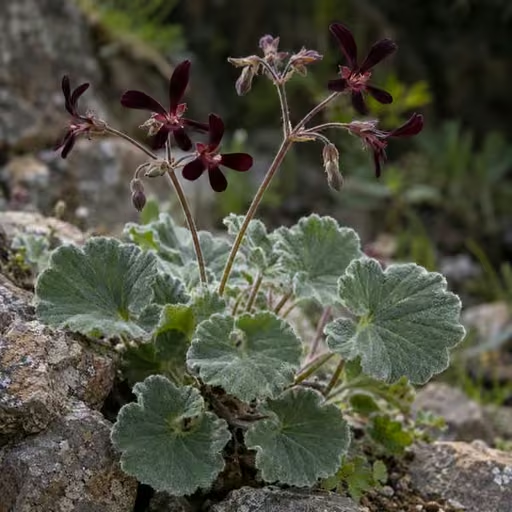
A South African geranium root whose coumarins stir the immune front in the throat and chest, helping the airways shed what lodges in them.
Resveratrol's close relative in passion fruit seed, with one extra hydroxyl — enough to rouse the longevity enzymes more readily than its famous kin.
The probiotic supplement, with calorie restriction, has human evidence for the tripwire, the body's danger-detection signals that trip the innate-immune alarm.
Pterostilbene, the blueberry relative of resveratrol, slows aging in human skin cells by cleaning up their mitochondria and switching on the cell's own antioxidant defense, with inflammatory signaling falling as it does.
Quercetin lowered systolic pressure 3.04 mmHg in the Journal of the American Heart Association pooled analysis; an independent 2024 analysis of 20 randomized trials found it reduced systolic pressure too.
The forest mushroom of Japanese kitchens: lentinan, its signature glucan, trains the immune system's sentries to recognize and meet a threat.
A molecule every cell makes and makes less of with age — it restarts the recycling process that breaks down worn parts and builds anew from them.
In a randomized trial of nearly 300 people, broccoli-sprout sulforaphane switched on the body's own defense enzymes, speeding the clearance of airborne pollutants.
Guduchi, the Ayurvedic climber called the root of immortality — it tunes the macrophages that engulf intruders and signal the rest of the defense.
Banded like a turkey's fan, this bracket fungus holds the protein-bound glucans PSK and PSP, which keep the immune system's patrol alert and supplied.
Of fifteen people given zinc through weeks of radiotherapy to the mouth, none reached the ulcerating grades of mucositis; eight of twelve on placebo did. A larger blinded trial agreed.
Of fifteen people given zinc through weeks of radiotherapy to the mouth, none reached the ulcerating grades of mucositis; eight of twelve on placebo did. A larger blinded trial agreed.
Adzuki bean polyphenols, supporting the immune system's early warning.
Chamomile's calming flavone has a second trade: it protects the mitochondria and helps them keep the steady output the cell spends its day on.
Skullcap root's golden flavone holds the inflammatory switch closed and flicks the antioxidant one open — two levers pulled in a single motion.
From goldenseal and barberry — it lowers the inflammatory signal, wakes the energy sensor, tightens the gut wall and helps the vessels relax and open.
Butyrate has a controlled study for the tripwire, the body's danger-detection signals that trip the innate-immune alarm.
Works on MAVS: the mitochondrial signal that triggers the cell's antiviral defense, and the one viruses cut first.
In a double-blind trial in 48 men training with weights, one-rep-max bench and squat, maximal isometric force and reps-to-failure all beat placebo; an earlier trial raised free testosterone.
Natural killer cells, the immune system's roving patrol, ran 34.11% above baseline in healthy adults across eight weeks, double-blind, with interleukin-1beta falling in the men and interleukin-6 in the women. In mice, the same fungus preserved the kidney in diabetic nephropathy.
Vine tea's flavanonol, known for easing the morning after — it sets the cell's cleanup crew to work and keeps the mitochondria burning clean.
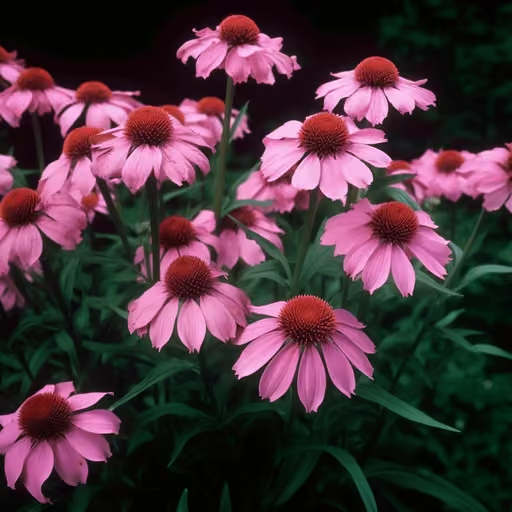
In human immune cells, an extract blend carrying Echinacea raised the release of interferon-alpha, the first antiviral alarm.
From the bran of rice and wheat, a phenolic acid that raises the cell's energy sensor, rouses its repair sirtuins and lets the artery wall make nitric oxide.
Galangal root's flavonol sets the cell recycling what is broken, turns on its fuel gauge and seals the junctions that hold the gut lining shut.
In tea, oak galls and grapes: tells the cell to make fresh antioxidant defenses rather than spend its reserve.
In mice, liquorice root's sweet principle controlled that mortality completely, turning tolerant immune cells back into bacteria-killers.
From magnolia bark, a neolignan that slips through membranes and quiets the transcription switch that drives inflammation from within the cell.
The olive's most prized polyphenol — it lives in the fruit's bitter water and shields the mitochondria, keeping the cell's energy supply full.
Kaempferol stabilizes the cell's energy sensor by destroying the protein that degrades it — a two-step route most flavonols do not have.
Works on the interferon alarm: the body's earliest antiviral signal, raised in the hours before the wider immune system arrives.
Celery and parsley share this flavone, which damps inflammatory messengers and hands the cell the instruction to raise its protective enzymes.
Mango's xanthone, bright yellow in the leaf, turns up AMPK, the cell's energy sensor, and with it the housekeeping that clears away worn machinery.
A separate human trial found it safe and well tolerated across the range studied.
Olive leaf and clove hold this triterpene, which cools the cell's inflammatory response while encouraging it to digest and renew its damaged parts.
The chief glycoside of white peony root, long used to soothe — it lowers the chemical alarm that keeps tissue sore and inflamed after a strain.
Buckwheat's flavonoid, quercetin bound to a sugar, quiets inflammatory signaling and prompts the cell to restock the antioxidant shelves a hard season drains.
Ursolic acid strains the cell's protein factory until it calls for a clear-out, then pulls the same lever again through the calcium-driven energy sensor.
These grades describe the maturity of the published science for each ingredient — not a claim that the product treats, cures, or is clinically proven for any goal. These statements have not been evaluated by the Food and Drug Administration. This product is not intended to diagnose, treat, cure, or prevent any disease.