
A fat cell is committed long before it is ever full.
Commitment is transcriptional and happens in a precursor holding no lipid yet: two factors fire in sequence and the fate is fixed (C/EBP-α, then PPAR-γ). Arresting adipogenesis at that step governs how many cells the tissue will ever carry — a different quantity from how full the existing ones are, and the one that sets the ceiling a person works against thereafter.
Capacity is set in company with the rest of metabolism. Energy sensing and the longevity gene hold the restraint open; the lipid synthesis switch decides what a committed cell would have been filled with; tissue renewal signaling keeps the depot turning over rather than merely expanding. Insulin sensitivity, blood-sugar handling, blood flow, the liver and weight all move with the number of cells there are to fill.
Three primary pathways of the twelve it targets. A pathway opens only on graded, published evidence, shown with its source at the ingredient level.
Educational only. Not evaluated by the FDA.
The story of Anti-Adipogenic (Preadipocyte Arrest)
Anti-Adipogenic — ‘The Standing Order’ — for the fat cells that have not been built yet. Nothing you feel today will tell you this is happening. Fat tissue does not only fill; it builds. Scattered through it wait young cells with no career yet, and year after year some of them are commissioned as new fat cells (adipogenesis). Once built, a fat cell is kept for many years. Every new one is another warehouse, and warehouses want to be filled. The commissioning is a decision, and it is made by two switches in the nucleus that have to agree. The first is the master regulator of what a fat cell is (PPARγ, the fat regulator). The second is its partner, which locks the decision in once it has been made (C/EBPα). Together they draft a young cell into a program it does not come back from. The body builds new warehouses for a reason. When the existing cells are packed full, making new ones is safer than overfilling the old. But in a body living with constant surplus, the commissioning never stops. The number of fat cells climbs, and every one of them is a standing claim on future storage. Anti-Adipogenic issues a standing order of its own: no new warehouses without cause. It tempers both switches, the fat regulator and its partner, so that young cells stay uncommitted instead of being drafted into storage by default, and the tissue meets surplus with the cells it already has. Capacity is set in company with the rest of metabolism. Restraining fat-cell formation is the whole object, and energy sensing with the longevity gene is what holds that restraint open. Insulin sensitivity, blood-sugar support and the liver decide what a committed cell would have been filled with, and blood flow decides what reaches the depot at all. Weight moves with the number of cells there are to fill. A ceiling set early is worth more than any amount of emptying later. Weight is easier to manage when there is less room to hide it. The Standing Order keeps the building from growing.
New fat cells held back — the precursor cell that never becomes fat.
★ 5.0 · 200:1 · $99









The studies, ingredient by ingredient
Held back new fat-cell formation in two laboratories, cutting its master switches PPAR-γ and C/EBP-α.
Held back the fat-forming switches a high-fat diet drives in white fat, in two independent groups.
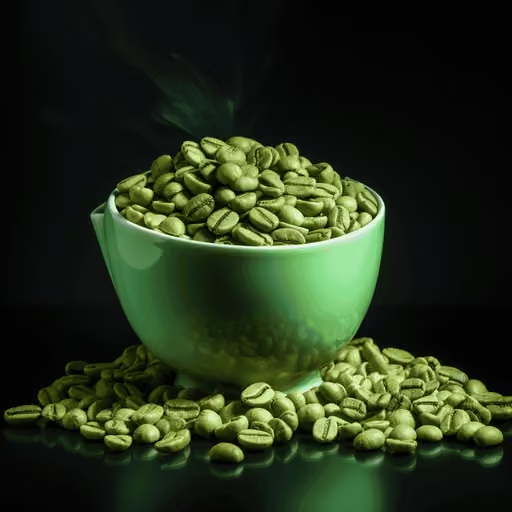
Unroasted green coffee bean extract suppressed the full program of new fat-cell formation, C/EBP-alpha, SREBP-1c, PPAR-gamma, FAS and aP2, in two independent laboratories.
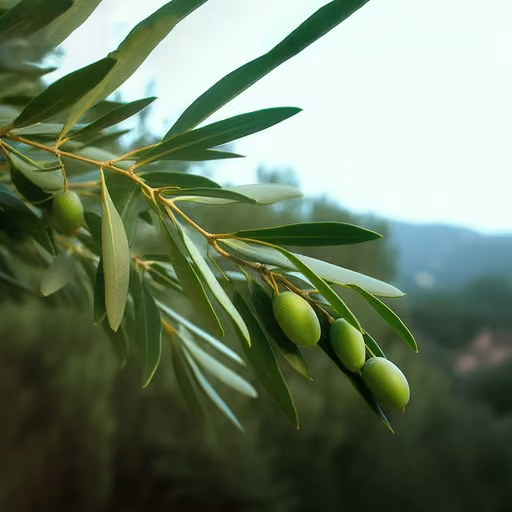
Olive leaf extract lowered the fat-cell-formation program, PPAR-gamma2, C/EBP-alpha and FAS, in two independent laboratories, and cut the cell-cycle protein cyclin D inside the fat.
Lowered PPAR-γ and C/EBP-α in visceral and subcutaneous fat, confirmed in two laboratories.
Nobiletin, the citrus-peel flavone, lowered PPAR-gamma, aP2, C/EBP-alpha, FASN and SREBP-1c in both subcutaneous and inguinal fat of high-fat-fed mice.
The citrus flavanone hesperidin lowered all five markers of new fat-cell formation in subcutaneous fat.
Sulforaphane-rich broccoli sprout powder attenuated a five-protein panel of fat-cell formation in visceral fat.
A fermented lotus-leaf preparation lowered C/EBP-alpha, PPAR-gamma, FAS and ACC in visceral fat.
Red rice bran extract markedly lowered C/EBP-alpha and SREBP-1c in visceral fat.
A Lactobacillus plantarum probiotic mixture lowered ACC, FAS and PPAR-gamma in visceral fat.
Lowered the fat-cell-formation program across four fat depots and reduced the share of large fat cells.
Jiaogulan (Gynostemma pentaphyllum) suppressed the high-fat-diet rise in C/EBP-alpha, PPAR-gamma and SREBP-1c in visceral fat.
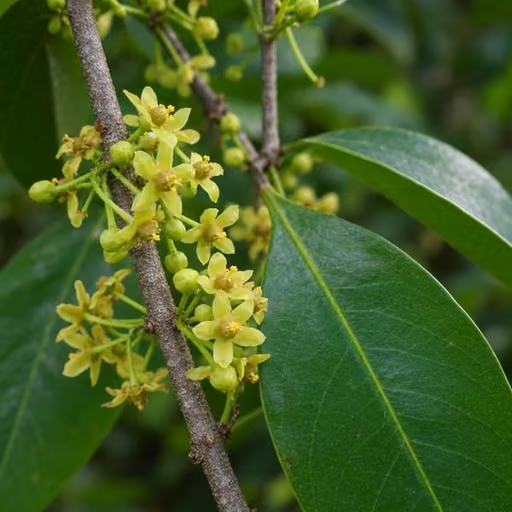
Salacia root extract lowered PPAR-gamma, C/EBP-alpha, SREBP-1c and FAS in visceral fat.
Rose of Sharon flower bud lowered PPAR-gamma and C/EBP-alpha in visceral fat.
Piperine, the pungent principle of black pepper, lowered FAS, SREBP-1c, C/EBP-alpha and FABP4 in visceral fat against the high-fat diet.
A Spirulina maxima extract lowered the fat-cell-formation markers C/EBP-alpha, PPAR-gamma and aP2 in white fat.
Berberine lowered PPAR-gamma in visceral fat and left the fat cells smaller.
Honokiol, from magnolia bark, prevented diet-driven fat-cell formation by lowering C/EBP-alpha in visceral fat.
These grades describe the maturity of the published science for each ingredient — not a claim that the product treats, cures, or is clinically proven for any goal. These statements have not been evaluated by the Food and Drug Administration. This product is not intended to diagnose, treat, cure, or prevent any disease.