
Drive, output and the capacity to hold attention under load are one system wearing three names.
Drive is catecholaminergic before it is anything else: one transmitter sets pursuit and another sets alertness (dopamine, norepinephrine), and together they carry sustained focus and executive function. The hormonal floor beneath them is androgenic (testosterone, DHEA); the physical ceiling is mitochondrial, built on its own DNA template (mtDNA) with iron-dependent oxygen carriage upstream. Output is bounded by what it costs — cortisol across the stress axis and the relapse pressure that follows depletion (HPA, CRF), fatigue, and the recovery that resolves it — while encoding and processing speed draw on acetylcholine and BDNF (ACh).
Sustained output is a supply problem before it is a motivation problem. Energy sensing, built mitochondria and the hypoxia response set how much there is; blood flow and lowered blood pressure deliver it; nerve insulation decides how fast the instruction travels. Antioxidant defense, the master antioxidant, inflammation and IL-6 are the cost of running hot. Cellular cleanup and the longevity gene keep the machinery serviceable; the gut barrier, the liver and cleared liver fat keep it supplied. Sexual function, estrogen balance and the reproductive axis are the hormonal half, with immune support, insulin sensitivity, cholesterol and urinary health on the same account.
Eighteen primary pathways of the forty-three it targets. A pathway opens only on graded, published evidence, shown with its source at the ingredient level.
Educational only. Not evaluated by the FDA.
The story of Nebula (Warrior Mode Rocket Fuel)
Nebula — ‘The Singularity’ — for the moment everything you have narrows to a single point. Athletes have a name for it: the zone. Doubt goes quiet, effort feels like flight, and every system in the body pulls the same way. It is not luck. It is chemistry, aligned, and Nebula is made to align it deliberately, every time you train. Start with drive. Before a single muscle moves, the brain has to want it. That wanting is a molecule (dopamine), and it is the difference between showing up and showing up hungry. Beside it runs the focus chemical, the one that sharpens attention and primes the body for action (noradrenergic tone). Together they are the ignition. Then the engine. Power comes from the cells’ own power plants (mitochondrial function), and how much oxygen those plants can use sets the ceiling on everything you do (aerobic capacity). Raise the ceiling and the same effort costs less. Hold it longer and the empty tank arrives later (fatigue). Then the warrior hormone (total testosterone), the signal behind strength, drive and confidence, and behind the rebuilding that turns each session into progress (muscle recovery). Then the mind that directs it all. Clear thinking under load (cognition). The messenger that carries a trained movement from intention to muscle (cholinergic signaling). The growth factor that lets the brain keep what the body practices (BDNF). Every warrior also has an enemy inside the camp, and it is stress. It arrives in two stages: a spark in the brain that lights the alarm (CRF), then the long burn that follows (the HPA axis, cortisol). Left unchecked, it steals drive, blunts recovery and wears down the very hormone you are training to raise. Nebula keeps that fire contained. Drive is only worth what the body can spend it on. Physical performance is the honest readout, and behind the testosterone sits the precursor pool it is built from. Motivation, executive function and the processing speed at which a thought actually travels are the mind’s half of the same account, and nerve insulation sets that speed as much as any transmitter does. Supply is the rest of it: energy sensing and the hypoxia response decide how much there is, blood flow and lowered blood pressure deliver it, the liver and its cleared fat keep it coming, and the gut barrier decides how much arrives at all. Antioxidant defense, the master antioxidant, calmed inflammation and the monocytes it recruits are the cost of running hot; cellular cleanup and the longevity gene keep the machinery serviceable. Sexual function, estrogen balance and urinary health are the hormonal half, with immune support, insulin sensitivity, blood sugar, mood and cholesterol on the same account. Drive, engine, hormone, mind, and the alarm held in check: five systems, one direction. That is the singularity. Everything you have, at one point, at once.
Power, drive and drive-fuel — testosterone, dopamine and the mitochondrial engine behind them.
★ 5.0 · 200:1 · $99




The studies, ingredient by ingredient
In a randomized trial in mild cognitive impairment, cognition improved against placebo; further randomized trials tested cognition and mood in young adults, over one day and over 28 days.
In a triple-blind trial of 64 people, post-COVID chronic fatigue fell to 13.8% against 80% on placebo. Immune-stimulating: take care with immunosuppressants.
Throws the master energy switch, AMPK; in a double-blind crossover, a 20-km time trial improved about 4%.
A double-blind, placebo-controlled study in 132 patients found eight weeks significantly reduced the sense of fatigue and improved clinical severity and wellbeing.
The sovereign Qi tonic: in ninety adults with unexplained chronic fatigue, it beat placebo on mental fatigue.
In a double-blind trial in 48 men training with weights, one-rep-max bench and squat, maximal isometric force and reps-to-failure all beat placebo; an earlier trial raised free testosterone.
In a double-blind trial in men aged 45 to 55, ninety days raised total testosterone about 20% and free testosterone about 19%, LH and FSH steady.
Stress down and vitality up on one axis: it normalizes cortisol while supporting testosterone. In a placebo-controlled trial in moderately stressed adults, tension, anger and confusion eased and cortisol fell 16%.
Its seed runs 4-6% L-DOPA, dopamine's direct precursor, and the drive effect was pinned both ways.
A review of 14 trials in 528 athletes: real gains in endurance and peak oxygen uptake. Take care with immunosuppressants.
Rosavins and salidroside soften cortisol's alarm and the adrenaline tone, lift serotonin resilience and raise BDNF so the brain adapts and repairs.
Caffeine's lift without the bill: in a blinded crossover, more energy and less fatigue for eight weeks, with no tolerance.
Mice stopped giving up in the swim test, and dopamine-blocking drugs canceled the effect outright while serotonin blockers left it untouched — which pins the action to dopamine instead of inferring it. That causal test is the strength here.
In a double-blind trial in 45 post-menopausal women, quadriceps strength rose and resting lactate fell over twelve weeks.
In animals, chaga polysaccharides and triterpenoids extended exhaustive swimming and raised glycogen; a separate model cut post-exercise ammonia 28–30% and creatine kinase 45–54%.
Its polysaccharides act against amyloid and tau, protect the connections between nerve cells, raise the Nrf2 antioxidant defense and support acetylcholine signaling, with a gut-brain route as well.
In animals it raises serotonin, noradrenaline and dopamine, steadies the stress-hormone axis and pushes back fatigue.
Its peptide protects nerve cells through SIRT1 and the Nrf2 antioxidant defense, alongside the growth factors IGF-1 and EGF; its uridine improved cognition by changing how the brain's immune cells use energy.
In animals, Dendrobium officinale polysaccharide extended forced swimming, lowered blood lactate and raised SOD, and in one model outperformed a Rhodiola comparator by topping up liver glycogen.
Icariin, a recognized hormetin: extends roundworm lifespan and stress tolerance through the insulin-signaling route.
Its flavonoids and lignans resist fatigue and low oxygen: in animals the leaves raised the muscle enzymes that burn fat and curbed lactate, improving fatigue-resistance alongside light training.
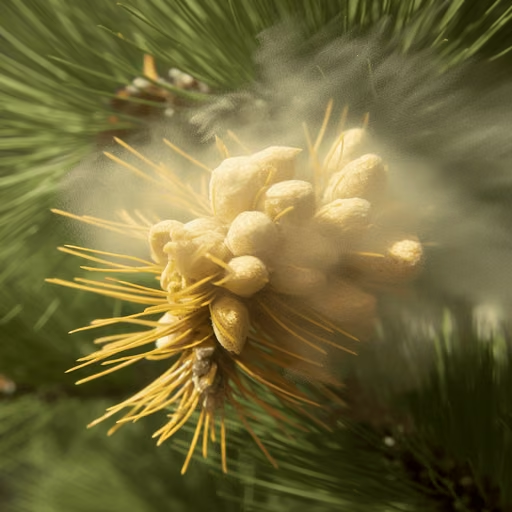
Pine pollen carries genuine trace testosterone, androstenedione and DHEA, and in animals it extended swimming endurance and improved the chemistry of fatigue.
Mice on the extract lifted out of depressed behavior, and brain tissue held up better after stroke; in Alzheimer's work it stimulates nerve growth factor and lowers amyloid-beta 42.
Rehmannia polysaccharide and catalpol steady the mucosal immunity exercise disturbs, temper inflammatory cytokines and protect the intestinal barrier — the foundation training depends on.
Tribulus raises serotonin, blocks the enzyme that breaks it down, and damps a brain-inflammation pathway; it also acts on testosterone.
Shown for total transparency — the weakest-evidence tier (traditional use or early / in-vitro signals only). Disclosed here for completeness: these carry no claims and are deliberately kept out of the recommendation engine.
The Central Asian herb that yields turkesterone: an early human trial and animal work read it for lean tissue.
A classical essence, anti-aging and hair tonic — Hé Shǒu Wū, among the most storied of the Jing herbs.
Frees testosterone from its carrier protein and shifts the enzymes that convert it; human trials support its prostate use. Mildly diuretic; may interact with blood thinners.
A nutritive tonic, about 70 percent protein, with amino acids, B vitamins, iron, calcium and zinc, plus the antioxidant enzyme superoxide dismutase and an anti-inflammatory compound, polyrhacitide.
These grades describe the maturity of the published science for each ingredient — not a claim that the product treats, cures, or is clinically proven for any goal. These statements have not been evaluated by the Food and Drug Administration. This product is not intended to diagnose, treat, cure, or prevent any disease.