
Three systems are treated as one, and they fail separately.
Desire is hormonal and motivational (libido, women's hormone balance); arousal is vascular (eNOS); and climax carries its own neuroendocrine termination (orgasm, prolactin) which sets the refractory interval that follows. Receptor-level estrogenic activity underlies all three (phytoestrogen), with pelvic floor and hot flashes addressed wherever they obtrude.
Underneath all three sits what actually governs them. Estrogen balance and testosterone set the floor; cortisol and anxiety take desire first and take it quietly; mood, motivation and sleep decide whether the floor is ever reached, with insulin sensitivity, cholesterol, weight and recovery registering in the same place.
Nine primary pathways of the twenty-four it targets. A pathway opens only on graded, published evidence, shown with its source at the ingredient level.
Educational only. Not evaluated by the FDA.
The story of Niagra (Desire, Arousal & Climax)
Niagra — ‘The Flow’ — for wanting it again, and meaning it. Desire does not flip on like a light. It runs like a current, and a current flows only when every part of the channel is open. If it has gone quiet, that is not a failing of yours. Desire is sensitive to almost everything a full life puts in its way: stress, sleep, hormones that shift with the years, a body that has been asked to put everyone else first. It begins in the mind, with the simple return of wanting (female libido, desire and arousal). It depends on hormonal balance, the tide of hormones that rises and falls across the month and across the decades (women’s hormonal balance), and on the receptor that estrogen speaks through, which plant compounds can gently address (the estrogen receptor, the phyto-key). When that tide turns in midlife, the body can flood with heat in the middle of a meeting or the middle of the night (vasomotor symptoms, the hot flashes and night sweats), and few things drain desire faster than never quite being comfortable in your own skin. Then the body answers. Arousal is blood flow, and blood flow is governed by a gas released from the lining of the vessels that tells them to open (eNOS, endothelial nitric oxide). Beneath it all is a layer of muscle that supports and intensifies sensation (the pelvic floor muscle), and its strength shapes what is possible. And then the climax itself (orgasm), followed by the hormone that closes the experience and shapes how soon desire can return (prolactin, the after-signal). The length of that pause afterwards is part of the story too (the refractory period). Niagra is built to open the whole channel. Wanting returns, with the hormonal balance beneath it. The vessels answer, the muscle underneath holds, and the heat that interrupts eases. The after-signal settles, so the pause is shorter and the next time comes sooner. Underneath all three sits what actually governs them. Testosterone and sexual function set the floor; lowered cortisol and anxiety take desire first and take it quietly; motivation with mood decides whether the floor is ever reached. Insulin sensitivity, fasting insulin and cholesterol read the vascular half in a panel, recovery decides what is available the next day, and vision reads the same circulation the rest of it depends on. None of it is separate — which is the whole reason three systems were never going to answer one at a time. A waterfall is not forced. It flows because the whole river is running. This is the river, running again.
Female desire, arousal & vitality.
★ 5.0 · 200:1 · $99





The studies, ingredient by ingredient
The Damask rose of Persian and Bulgarian gardens, distilled for centuries, warms arousal and eases the path to climax, carried on its scent and its phenolics.
Randomized placebo-controlled trials in women raised desire and arousal on the Female Sexual Function Index, and a separate pooled analysis lowered serum cortisol.
Pooled randomized trials carry its effect on low mood, measured on scored depression scales.
Dietary nitrate, pooled across human trials: better vessel dilation and nitric oxide availability.
Cacao beans carry flavanols that rouse the enzyme lining each vessel into making nitric oxide, a gas that widens arteries and lets circulation run generously.
The single catechin at the heart of dark cacao's vascular effect, epicatechin switches on endothelial nitric oxide and lets the vessel open with ease.
The Provencal lavender flower, whose linalool-rich oil settles the nervous system: mood holds on an even keel and the weight of worry is set down.
Cochrane: superior to placebo in major depression. Interacts with SSRIs, contraceptives and many medicines.
Carmelite nuns distilled lemon balm into their famed water; its rosmarinic acid raises GABA tone softly, so emotion runs steady while the mind stays clear.
Across ten randomized controlled trials in 675 postmenopausal women, soy isoflavones reduced vaginal dryness.
Placebo-controlled human trial in women reporting improved sexual function scoring.
A systematic review of randomized trials found a favorable effect on sexual desire — and said plainly that the trials were few and small.
L-Citrulline raises plasma arginine and nitric-oxide availability in people — the raw material the vessel-opening pathway runs on.
Vine seed extract offers oligomeric proanthocyanidins, which spare nitric oxide from oxidative loss so the gas can keep vessels supple and opening freely.
Maritime pine bark extract improved endothelial function - how readily blood vessels widen when asked - in a randomized human trial.
Symbol of fertility since antiquity, the jewelled pomegranate yields punicalagins that shield nitric oxide along the artery lining and keep flow generous.
Knotweed root, Hu Zhang in Chinese herbals, is a rich source of resveratrol, which wakes the nitric oxide enzyme of the endothelium so arteries ease open.
Chamomile's apigenin settles the tides of feeling, easing the jittery, unsettled edge so the mind rests evenly across the hours of the day.
In randomized trials under real strain, from night-shift physicians onward, rhodiola preserved mental performance and eased fatigue.
Sacred tulsi eases the alarm running from brain to adrenal gland, so cortisol falls back to baseline instead of lingering long after pressure lifts.
Phosphatidylserine, a phospholipid woven into brain cell membranes, softens the cortisol surge under pressure and lets the brain-to-gland alarm settle.
The amino acid of the green tea leaf, theanine settles the stress line from brain to adrenal gland, bringing alert calm in place of the cortisol surge.
Hou Po, the magnolia bark of Chinese medicine, gives honokiol and magnolol, which soften the brain's alarm to the adrenals and help cortisol fall back.
Diindolylmethane shifts estrogen metabolism toward the 2-hydroxy pathway in human studies.
Flax lignans guide estrogen toward its gentler metabolites and bind estrogen receptors lightly, lending balance as the body's hormones shift.
Boron, a trace mineral gathered from fruit and nuts, shapes how estrogen is made and carried, keeping more of the free hormone within easy reach.
Red clover, the purple meadow flower, holds isoflavones such as biochanin A that meet the estrogen receptor gently, a botanical stand-in for the body's own.
Soy's isoflavone favors the beta estrogen receptor, the gentler partner in breast, bone and vessel, offering plant support where estrogen wanes.
The velvet bean carries L-DOPA: it feeds the wanting chemical, raises testosterone, relaxes the constriction signal and lets blood fill and hold.
Pyridoxal phosphate, the active form of pyridoxine, is the cofactor the brain needs to turn L-DOPA into dopamine, the chemistry behind drive and wanting.
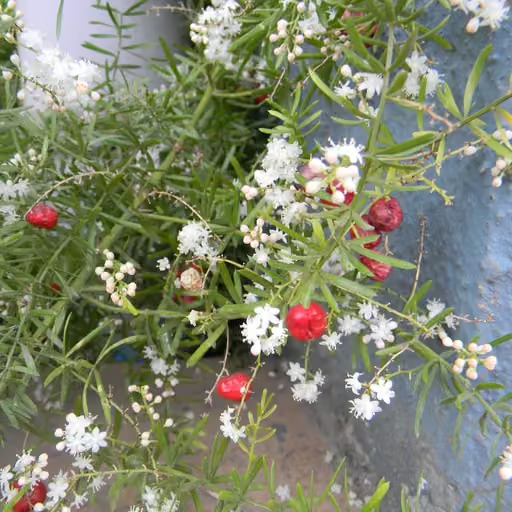
Asparagus racemosus root; total FSFI and satisfaction improved against placebo in a three-arm double-blind trial.
Trigonella foenum-graecum seed; sexual desire and arousal rose against placebo, alongside free testosterone.
Korean red ginseng restores desire and the body's answering response, reopening arousal as the midlife hormonal landscape changes around it.
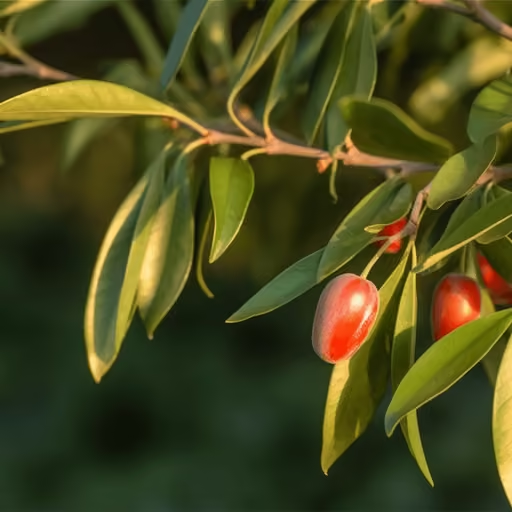
Oleaster flower extract; orgasmic-disorder scores improved against placebo in women selected for orgasmic disorder.
Given by mouth to rodents, its effect is reversed when dopamine receptors are blocked — the mechanism is confirmed, in animals.
Riparin comes out of the bark of Aniba riparia, and its effect in mice disappears the moment either dopamine receptor is blocked.
Turnera diffusa leaf; FSFI-d and its domains rose significantly in women diagnosed with FSIAD by DSM-5 criteria.
These grades describe the maturity of the published science for each ingredient — not a claim that the product treats, cures, or is clinically proven for any goal. These statements have not been evaluated by the Food and Drug Administration. This product is not intended to diagnose, treat, cure, or prevent any disease.