
A mushroom is recognized before it is ever digested.
Fungal polysaccharides present structural patterns that innate receptor families evolved to read, so the immune action is not a nutritional one. Several species are prepared together because the recognized structures differ between them, and the repertoire answers to breadth of pattern, never to quantity of any one. Two further effects sit well away from that axis: fasting insulin, and the growth of new neurons (neurogenesis).
A trained immune system is not the only thing the fungi leave behind. Cytokine signaling is steadied rather than simply raised; the liver and the cholesterol panel move with it, insulin sensitivity and the fat-burning hormone alongside. BDNF carries the neural half the way neurogenesis implies, with vision, growth signaling and the hypoxia response reading the same preparation.
Three primary pathways of the twelve it targets. A pathway opens only on graded, published evidence, shown with its source at the ingredient level.
Educational only. Not evaluated by the FDA.
The story of Spaceborn (Medicinal Mushroom Masterpiece)
Spaceborn — ‘The Colony’ — for the resilience the fungal kingdom spent a billion years perfecting. Beneath every forest floor runs a colony you never see. Threads of fungus, finer than hair, weave through the soil for miles, trading water and sugar between trees, carrying warnings, recycling everything that falls. Fungi are older than forests. They survived by becoming the most accomplished chemists in nature, and they had to, because a colony that cannot defend itself is eaten. Some of those defenses speak directly to ours. The molecules that make up a mushroom’s cell walls are shapes your immune system has been meeting since the first humans foraged a forest floor, and it reads them as a reason to wake up and patrol (immune surveillance). Not an attack. A drill. Immune cells that meet these shapes regularly respond faster and more precisely when a real threat arrives. A second gift is metabolic. The same kingdom that trains the immune system also helps the body manage its fuel, and one measure shows it most plainly: the insulin already in your blood before breakfast, the morning tell of how hard your metabolism is working to keep sugar in line (fasting insulin). When that number falls, the whole system is running with less strain. A third gift reaches the brain. The memory center is one of the few places in the adult brain that goes on making new neurons, from a small pool of stem cells that divide and mature into working circuitry (neurogenesis). Two of the colony’s mushrooms speak to that pool directly: one wakes the stem cells to divide, the other supplies the growth factor that lets the new neurons survive and connect. Spaceborn is a colony in its own right: medicinal mushrooms from across the world, gathered for what they do together rather than any one of them alone. It keeps the immune watch trained and ready, eases the metabolic strain that the morning number reveals, and tends the pool that renews the brain. A trained immune system is not the only thing the fungi leave behind. Cytokine signaling is steadied rather than simply raised; the liver and cholesterol move with it, with the fat-burning hormone and the hypoxia response alongside. Vision reads the same preparation, late and quietly — which is how a fungus does nearly everything. A colony survives because every thread supports the others. Spaceborn was built the same way.
Immune, antioxidant & metabolic resilience.
★ 5.0 · 200:1 · $99


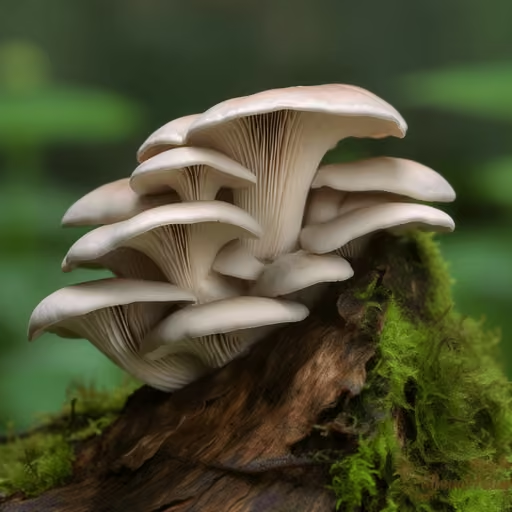


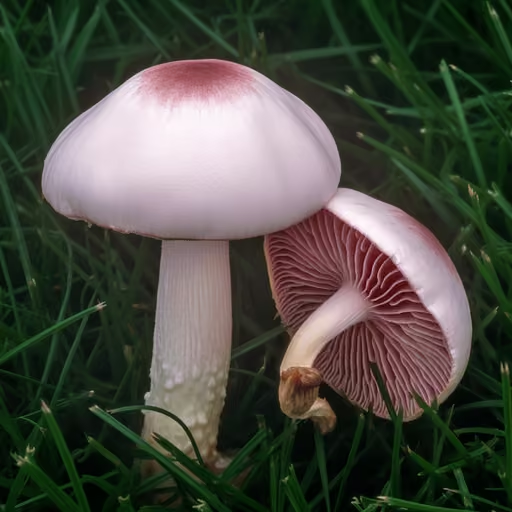


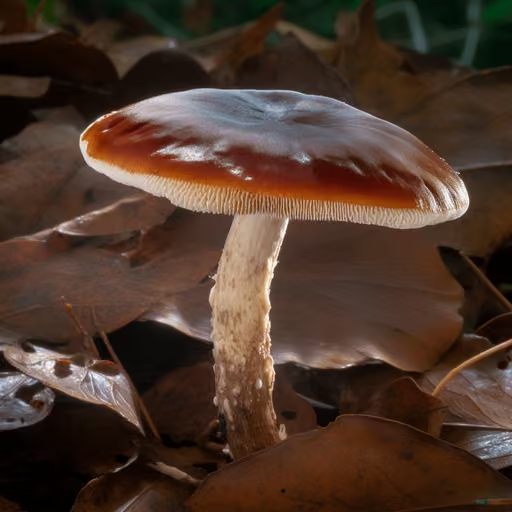


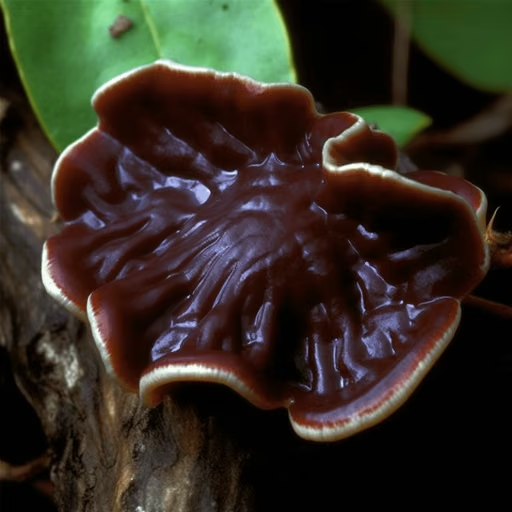
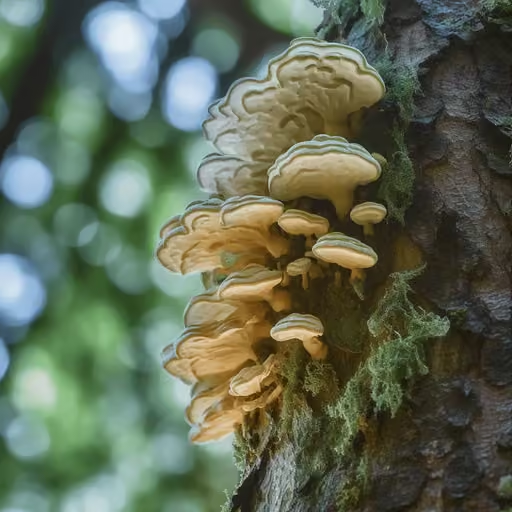




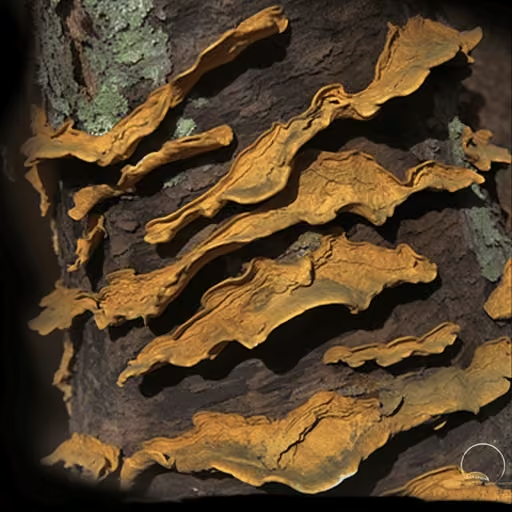
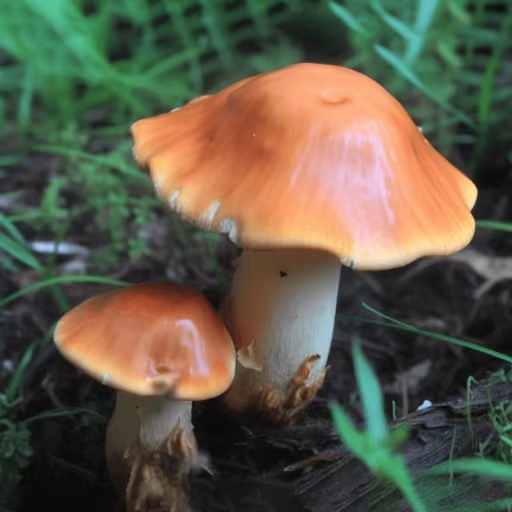






The studies, ingredient by ingredient
Tested in people, in a randomized trial of insulin resistance in type 2 diabetes, and carried here on that metabolic work.
In 72 adults, randomized and double-blind for 12 weeks: less insulin resistance and lower fasting blood sugar.
Pooled clinical evidence in kidney dysfunction; a fermented form of the fungus is an approved medicine.
Thirty people, randomized, double-blind, four weeks: skin hydration measurably better than placebo. That is enoki tested in humans on a human endpoint. The immune work sits underneath and is laboratory work: a protein from the same mushroom raises immune signaling messengers and sharpens the response to a vaccine, and its polysaccharide shifts gut bacteria toward immune activity.
In an 84-day double-blind trial, reishi beta-glucan raised T-lymphocyte and natural-killer-cell counts against placebo.
Purple lingzhi is not reishi and does not borrow reishi's record: the two are separate entries in the Chinese Pharmacopoeia, and in 2010 China approved its polysaccharide as a drug for low white-cell counts.
Maitake's beta-glucans speak to the innate immune system, the receptors that wake NK cells, macrophages, dendritic and T cells, and in a human trial immune measures moved. The same routing covers inflammation, blood sugar and blood fats.
Mouse models of accelerated aging, stroke and Parkinson's stand behind them, and nerve growth factor rose in the mouse hippocampus.
Cuts nasal inflammatory signals 54.9% and 40.8% across three months in healthy adults, doubles the antibody patrolling the airway, and lifts the air forced out in the first second by 19.7%, each against the person's own baseline.
Ninety-eight people, randomized, double-blind, placebo-controlled, for eight weeks. Natural-killer cell activity — the immune system's front line against damaged cells — rose against placebo. The circulating cytokines did not move, which tells you where it works: on the cells themselves, not on the inflammatory chatter around them. Underneath, mesima wakes innate immunity rather than attacking anything directly, and its hispolon adds anti-inflammatory action.
Zhu Ling polysaccharide is a licensed injectable medicine in China, and a 2019 safety review covers 11,703 recorded cases of its clinical use, chiefly in hepatitis B. That is a scale of human exposure most botanicals never reach. In the bladder, it raised the two detoxification enzymes a cell switches on for itself.
Fu Ling has been a listed crude drug in the Chinese Pharmacopoeia for generations, and treated rats raised their own antioxidant enzymes. Long human use behind it, animal-level proof under it.
A completed human trial exists — 58 people, for forty-two days, registered as NCT06902662 — and centuries of medicinal use in China, Korea and Japan sit behind it. The measured rescue is in the liver: animals given a paracetamol overdose and then this fungus came through with less damage, the enzymes that leak from injured liver cells falling along with the marker of oxidized fat.
Huaier granule is an approved medicine in China; in mice, its polysaccharide holds back the growth of new blood vessels.
Turkey tail's protein-bound polysaccharide, PSK, has been a licensed medicine in Japan for decades, and it works through the immune system.
Licensed in China since 2002 for low white-cell counts, snow fungus also lowered HbA1c and waist size in a double-blind trial of 56 adults with prediabetes.
In a multicenter double-blind trial of 80 adults, Antrodia camphorata lowered the liver enzymes AST and ALT and blood triglycerides, and reduced liver fat.
Natural killer cells, the immune system's roving patrol, ran 34.11% above baseline in healthy adults across eight weeks, double-blind, with interleukin-1beta falling in the men and interleukin-6 in the women. In mice, the same fungus preserved the kidney in diabetic nephropathy.
Naturally carries lovastatin; in a small human group, LDL fell about 30% in four weeks.
Rats with most of their kidney tissue removed, rats bred to run high blood pressure, and rats given a kidney-toxic transplant drug all held better kidney function on this cicada fungus.
Lentinan, purified from shiitake, has been an approved medicine in Japan since 1985, and mouse work traces the immune route it takes.
A purified beta-glucan from split-gill, sizofiran, is a licensed injectable trialled alongside radiation and surgery in gastric, cervical and head-and-neck disease — the whole mushroom is not that drug.
In mice on a fattening diet, white button mushroom held weight gain 36.0% lower and cut the two enzymes that leak from damaged liver cells by 54.2% and 27.5%; it roused macrophages, and aging mice kept more antioxidant defense.
Given to diabetic mice, field mushroom brought the raised blood sugar down, seconding the older rodent survey of antidiabetic plants that first flagged it.
In rats, its polysaccharide brought weight gain and the inflammatory signals back toward normal. Animal work.
Mice given the aluminum-and-galactose insult used to mimic Alzheimer's held on to more brain function when fed this mushroom, and cultured nerve cells survived a glutamate hit that otherwise kills them.
Given to mice by injection, this bracket fungus raised interleukin-2, TNF and interferon-gamma, the signals that call the immune system to act.
A purified sugar from this black bracket fungus grows new blood vessels in living zebrafish and in human vessel-lining cells.
In laboratory cells, it holds the cycle at the checkpoint before division, cyclins B1, A and E falling together; an antioxidant added first prevented it.
In mice, six weeks of this Tibetan mushroom in the diet blunted chemically induced colitis: less severity, colon length kept, goblet cells held. Wiping out the gut bacteria with antibiotics canceled most of the benefit.
Honey fungus has two animal results behind it: mice made forgetful by a galactose-and-aluminum insult, and mice whose immune defenses had been flattened by a drug. Both groups recovered ground, which is why it sits with the brain and immune support.
Wood-ear yields a purified sugar that left an induced clot 42.86% smaller in mice at seventy-two hours and stretched all three clotting times, platelet clumping down 48% in the tube.
In diabetic mice, the polysaccharide from this wood ear brought blood sugar and blood fats down.
A polysaccharide drawn from this bolete switched immune scavenger cells into an active state on the bench, while a second fraction tested as an antioxidant.
Chanterelle's sugars calmed chemically induced colitis in mice, rebuilding the gut barrier and turning the resident bacteria back toward their healthy mix.
Sugars from Chinese truffle roused the immune system in mice: heavier spleens and more circulating antibody.
In mice poisoned with alloxan, its selenium-bearing sugars cut the oxidative damage as well.
Two rat studies define this one, both about kidneys: filtering tubules damaged by an immune-suppressing drug, and kidney function knocked down by bacterial toxin.
In diabetic mice, sugar chains from this fungus brought fasting blood sugar down 56.79% and insulin resistance down 42.78% while circulating insulin rose 32.47%; triglycerides fell 31.87%, LDL 36.61%, and HDL rose 28.60%.
Rebuilds a gut flattened by antibiotics: in mice, bamboo fungus polysaccharide brought lactobacilli back, raised the three proteins that seal one gut cell to the next, and lowered circulating endotoxin.
In diabetes-prone rats over fifteen weeks, held down weight gain and visceral fat and improved insulin resistance and triglycerides.
In diabetic rats, tinder fungus brought blood sugar and blood fats down.
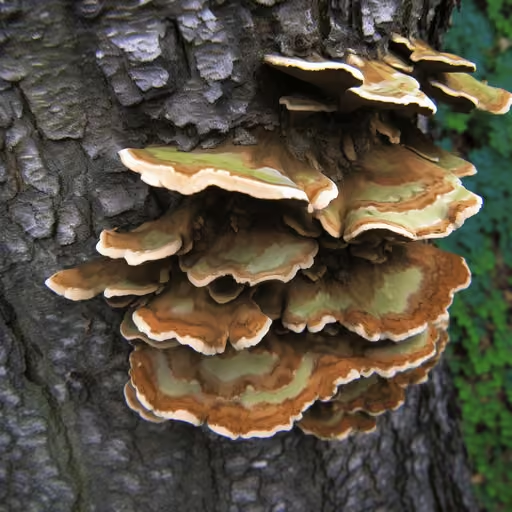
The birch polypore, long carried in European and Asian folk medicine, holds constituents that damp inflammatory signaling and act against bacteria.
A Fomitopsis officinalis polysaccharide switched on immune activity in zebrafish and in cell assays.
Injected into animals, a polymer from the artist's conk lifted natural-killer-cell activity. Injection is not eating, and that gap between how it was tested and how it is taken is stated up front.
A cultivated Lingzhi relative, this one is documented in animal work for lowering cholesterol and protecting the liver.
In a mouse model, this Ganoderma shielded the gut lining from drug injury.
Stopped the weight gain, held fat out of the liver and pulled down blood sugar and the insulin riding with it, in mice fattened into diabetes.
Fed to animals with hardening arteries, this Patagonian mushroom eased the plaque burden - the finding that gave it a cardiovascular reputation at all.
Bred without ApoE so their arteries fur up unbidden, mice fed this mushroom laid down less atherosclerosis, and the plasma residue of free-radical attack on membrane fats fell with it.
Rats made type-2 diabetic with streptozotocin and nicotinamide had their blood sugar pulled down by the water extract of this elm oyster, with less fat oxidation in the bargain.
In mice, it switched on Fas, the receptor that starts a cell's orderly retirement, and the two enzymes below it, with treated organs weighing no differently from untreated.
Chaga brought fasting blood sugar and body weight back toward normal in diabetic mice, measured against metformin, with liver glycogen restocked and kidney damage eased. It also cut blood fats and shielded the liver in the OLETF rat, and roused innate immunity.
In mice, the polysaccharide from saffron milkcap lifted immune response by working through the gut microbiome, and barrier and short-chain fatty acid changes came with it. That route has been shown in rodents and in culture.
A polypore studied for liver protection: hot-water polysaccharides of this mushroom family blunted alcohol-induced liver injury in mice.
In mice, a water-soluble polysaccharide from this giant funnel cap roused the immune system's clearing cells.
Blood sugar fell within seven hours in mice bred for type-2 diabetes, the high insulin with it over three weeks, while healthy mice were untouched: more GLUT4, the gate glucose must pass, sat in the muscle membrane. It also calmed induced colitis in mice and curbed weight on a fattening diet.
In mice, polysaccharides from this cordyceps relative's mycelium reset immune signaling, damping it rather than simply revving it. Long used in traditional Chinese medicine, it has still not been tested in a person.
In diabetic mice, fasting blood sugar fell from 23.1 to 13.6 mmol/L, with the gut wall repaired.
Rats fed this mushroom made more nerve growth factor in the brain and ran the water maze better, with striatal dopamine release rising too.
Its polysaccharides limited chemical liver injury in live animals, activated macrophages and lowered blood fats.
Four weeks of unpredictable stress wore rats down; this fungus got their neurotransmitters back: serotonin, dopamine and noradrenaline all rose, brain dopamine a fifth above untreated stressed animals, and the floating stopped. The strain also lowered blood sugar and tilted immunity toward Th1.
A purified beta-1,3-glucan from this cup fungus held back a solid transplanted growth by more than 90% in mice.
Its polysaccharide showed antiviral activity in rodent work, with liver protection alongside.
In mice, this willow bracket's polysaccharides eased the gut inflammation of colitis and lowered raised uric acid, lightening the kidneys' load.
The apricot jelly fungus, an edible jelly mushroom.
Its cultured mycelium yields a sugar on which rich-fed mice lost fat mass, and in mouse work it turned the gut bacteria beneficial.
Kept weight gain and fat depots down in mice held twelve weeks on a fattening diet, triglycerides and both cholesterol fractions moving the right way and a glucose load cleared better, partly by curbing appetite; broth-grown sugars lowered blood sugar.
Pleurotus cornucopiae lowers blood pressure in rats that turn hypertensive on their own.
King oyster's polysaccharides earn their place in rodents: blood fats fell in fat-loaded mice and in cholesterol-fed rats, and liver, blood-sugar and kidney measures improved. The record is an animal record.
In diabetic rats, it brought glucose, total cholesterol, triglycerides and LDL down.
In mice with repeated colitis, fruiting body and mycelium both calmed the bowel lining, TNF-alpha falling; it also lowered blood sugar in diabetic mice and rats, and eased pain in rodents.
Filed beside its close relative in the same breeding group, P. djamor, whose fiber ferments in the colon the way a prebiotic does.
Fed to mice on a high-fat diet, its beta-glucan lifted the muscle transporter that pulls glucose out of the blood and raised adiponectin, and it held against an active comparator.
Brings fasting blood glucose down in rats made diabetic the adult-onset way, and HbA1c, the three-month record of blood sugar, with it — insulin restored, cholesterol, triglycerides and LDL lower.
The fruit-body polysaccharide of this bracket fungus pulled blood sugar and blood fats down together in diabetic mice, and the gut bacteria shifted alongside them.
In mice, this hedgehog mushroom's extract raised immune signaling, and its polysaccharide brought blood counts back up after a drug had flattened them.
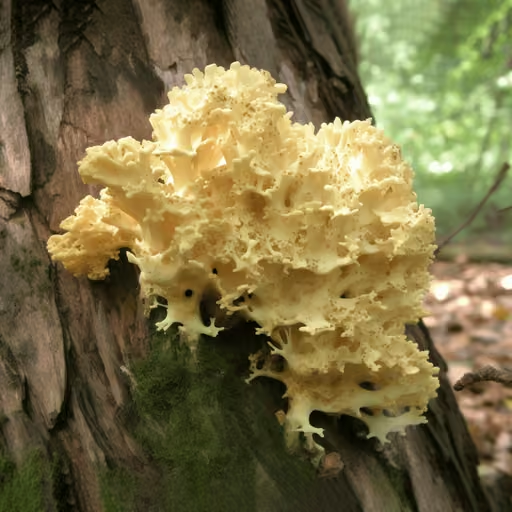
Cauliflower fungus is mostly beta-glucan; in mice it rebuilt blood counts after a drug had flattened them, and diabetic skin wounds closed sooner.
Where a drug had inflamed the livers of mice, this cauliflower fungus's polysaccharides calmed them.
Wine-cap polysaccharides went to mice whose immune systems a drug had flattened: spleens regained weight, scavenging cells ate more, antibody levels climbed back, and the liver damage that came with the drug eased.
On a high-fat diet, their blood fats fell.
In diabetic rats, golden ear polysaccharide lowered glucose, triglycerides and total cholesterol while insulin sensitivity rose.
Heteroglycans drawn from this giant mushroom quench free radicals on the bench.
In mice, dietary matsutake raised T-lymphocyte numbers in the spleen. Mice are where this evidence stops.
Two lectins from this steppe mushroom switched on mouse macrophages, and a polysaccharide-peptide complex from the same mushroom drove T-cell proliferation. All of it was measured in mice.
In hyperglycemic rats, black truffle extract restored the cells' own antioxidant defenses.
Straw mushroom's immune protein blunted an induced hypersensitivity reaction in mice given it repeatedly, matured the dendritic cells that brief the immune system, and raised interferon output from mouse spleen cells.
Shown for total transparency — the weakest-evidence tier (traditional use or early / in-vitro signals only). Disclosed here for completeness: these carry no claims and are deliberately kept out of the recommendation engine.
An Agaricus of the genus read for functional-food chemistry.
One exploratory study carries this mushroom: an alcohol extract of the brown slimecap tested for antioxidant strength, blood-sugar lowering and blood-fat lowering, on the bench and in animals. Three readings resting on one study, stated as such.
Bench testing is the whole record for this funnel cap: an alcohol extract showed antioxidant activity and held bacteria back in culture, with no animal disease study yet.
What this cloud funnel brings is a lectin that wakes up the immune system's messenger cells in culture and slows cell proliferation.
Compounds from this bracket fungus switch off a blood-cell disease-driving enzyme in the tube, including the mutated form of it that shrugs off standard drugs.
An alcohol extract of this bracket fungus mops up free radicals in bench testing, with a close relative profiled alongside it for comparison.
Against MRSA, the hospital staph that shrugs off methicillin, compounds isolated from this Ganoderma held the bacteria back in culture, and related new triterpenes from it also struck at malaria parasites.
Ganoderma pfeifferi's compound ganodermadiol blunts influenza and herpes simplex virus in cultured cells, and the same extracts hold back bacteria on the bench.
Across its life cycle the mature fruiting bodies carried the strongest antioxidant activity, with potent tyrosinase inhibition alongside its antimicrobial showing.
Helvella atra, a black elfin-saddle cup fungus.
The species-specific record in hand is an isolation of its metabolites from Greek forest material.
From mycelial culture it yielded two known cyathane diterpenoids, CJ14,258 and erinacine F, the same chemical family that makes its famous cousin interesting.
Hedgehog mushroom scores in wild-mushroom antioxidant and antimicrobial screens, and that bench work is the whole of its record.
Bay bolete is one of the better-profiled wild edibles for phenolics, p-hydroxybenzoic, cinnamic and protocatechuic acids alongside theanine, and those carry its antioxidant readings, chiefly as inhibition of lipid peroxidation.
Hispidin derivatives from this bracket fungus are strong radical scavengers in tube tests, and its cultured mycelium yields the same polyphenols.
Japanese folk medicine kept this milkcap; chemists have since found its rare sugar 6-deoxy-D-altrose, an immune-active building block.
Wood blewit's polysaccharide scavenges free radicals in culture, and blewit is carried on that chemistry alone, labeled plainly.
A ribonuclease purified from field blewit blocks the reverse transcriptase that HIV-1 uses to copy itself - an enzyme assay in a tube, not a treatment.
Put through a 21-species antioxidant screen of wild mushroom mycelium, listed there under the name Macrolepiota excoriata, this parasol relative registered real radical-scavenging activity in the tube.
The cultured mycelium of this shimeji is the source material behind a well-studied immune preparation, and a novel serine protease has been purified from the mushroom itself.
Fermented by human gut bacteria in the flask, this Thai mushroom drives short-chain fatty acid output, and it scores in antioxidant and antibacterial screens; crassa is carried on that gut and antioxidant chemistry.
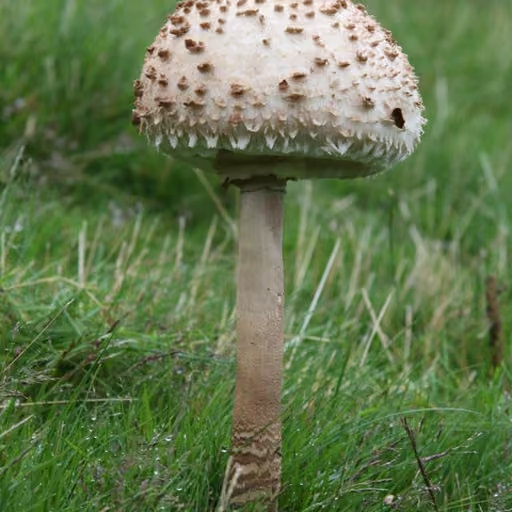
Parasol mushroom's lanostane triterpenoids quiet inflammatory signaling and slow cell proliferation in culture, and its polysaccharides stir immune cells in the same tests.
Fairy ring mushroom does something unusual on the bench: it breaks up bacterial biofilms as well as killing free-floating bacteria, and its compounds shut down the master inflammatory switch upstream. Antioxidant readings come out of the same culture work.
One of six morels profiled side by side for phenolics, antioxidant power and fatty acids, this purple-tinged species held real radical-scavenging activity in the tube.
Farmed for its chemistry, this bracket fungus ferments out ergothioneine, an antioxidant the body actively transports and stores.
Four purified fractions of this coral fungus went into radical-scavenging tests on the bench, and all four mopped up free radicals.
Ramaria fennica coral fungus has been read for one property: its extracts neutralize free radicals in bench assays, measured in the same work that covered its relative R.
Russula crustosa, a wild edible brittlegill.
Nutritional profiling of wild edible mushrooms put the charcoal burner among the antioxidant contributors, with free-radical scavenging measured in laboratory extracts.
A peptide isolated from this Russula blocked the HIV-1 enzyme that copies the virus into DNA — in a tube, against the purified enzyme.
The polysaccharide from the green-cracking Russula has been characterized closely, and in culture it switches immune cells on.
Bench work on this Russula reports two things and stops there: extracts neutralize free radicals, and its polysaccharides slow bacterial growth in culture.
From this crust fungus, one isolated sesquiterpenoid damped nitric oxide, the inflammatory messenger, in cultured cells; its phenolics scavenge free radicals in separate bench work.
Phenolic compounds from this bracket fungus were measured beside turkey tail's in laboratory testing: they mopped up free radicals and slowed dividing cells, with the cells' own DNA seen breaking apart.
Wild Croatian mushrooms were screened side by side for antioxidant strength, and this small spruce-cone fungus registered among them, neutralizing free radicals in laboratory extracts.
Ergostane sterols isolated from this small termite mushroom were toxic to cultured abnormal cells.
Orange p-terphenyl pigments from this earthfan bind iron in culture.
Polysaccharides from this bracket fungus rouse scavenging immune cells in culture.
Huitlacoche's ustilagols calm nitric-oxide and inflammatory signaling in immune cells, and its phenolics act as antioxidants.
Meadow puffball beat the other two puffballs tested beside it: best of the 3 for antioxidant action and for blocking the enzyme that drives blood pressure up, with antimicrobial activity alongside.
These grades describe the maturity of the published science for each ingredient — not a claim that the product treats, cures, or is clinically proven for any goal. These statements have not been evaluated by the Food and Drug Administration. This product is not intended to diagnose, treat, cure, or prevent any disease.