
Hair length is decided by how long the growing phase lasts.
That phase is shortened by a single androgen made locally from testosterone (5α-reductase, DHT), with the free fraction governed by sex hormone-binding globulin (SHBG). Against it, a growth factor at the dermal papilla sustains the follicle (IGF-1), with a receptor and a prostaglandin implicated in phase length (adenosine A2B, PGF2α). Miniaturization is the end state addressed.
A follicle is a vascular organ sitting on a stress axis. Blood flow and the vessel growth signal decide what reaches the papilla; follicle oxidative stress met by antioxidant defense decides what survives there; inflammation and body-wide inflammation shorten the phase, and reduced scarring separates a thinning follicle from a closed one. Cortisol and anxiety shed hair on a schedule of their own, with insulin sensitivity, blood-sugar handling, testosterone, weight and recovery underneath all of it.
Eight primary pathways of the twenty-five it targets. A pathway opens only on graded, published evidence, shown with its source at the ingredient level.
Educational only. Not evaluated by the FDA.
The story of Super Tonic Hair (Follicular Restoration)
Super Tonic Hair — ‘The Anagen’ — for the clock that decides how long your hair can grow. The length of your hair is not a fact about hair. It is a fact about time. Every follicle you own runs a clock. The growing phase can last for years, and how long it runs decides how long a strand can ever become. Then the follicle pauses, rests and sheds, and the clock starts again. The growing phase has a name, and it is the one that matters: anagen. Everything that thins hair works by cutting it short (hair growth). The chief culprit is a hormone made from testosterone by an enzyme in the scalp (5-alpha-reductase, SRD5A). The hormone it makes (DHT) does not kill a follicle. It shortens anagen, cycle after cycle, so each new hair grows for less time, comes back finer and sits a little closer to the surface. The follicle does not fall out. It shrinks (androgenetic alopecia). The body keeps buffers. A binding protein in the blood holds androgens in reserve, so less is free to act on the follicle (SHBG, the androgen buffer). And the follicle listens for signals that extend its growing phase, above all a growth factor that tells it to keep going (IGF-1), and a prostaglandin that pulls against the signals telling it to stop (prostaglandin F2α). The cruelty is timing. Shedding is a lagging indicator. By the time you see it in the drain, the decision was made months earlier, in a cycle that had already been cut short. Super Tonic Hair works on the clock itself: less of the enzyme that makes the shortening hormone, more of the buffer that holds it back, and louder signals telling each follicle to stay in its growing season. A follicle is a vascular organ sitting on a stress axis. The adenosine A2B receptor is one of the levers on phase length, and blood flow with the vessel-growth signal decides what reaches the papilla at all; antioxidant defense decides what survives there. Calmed inflammation, body-wide and in its inflammatory signaling, stops the quiet shortening, and reduced scarring is what separates a thinning follicle from a closed one. Lowered cortisol and anxiety shed hair on a schedule of their own. Insulin sensitivity, blood-sugar support, fasting insulin, weight and recovery sit underneath all of it. Hair is so often the first thing to go and the last thing to come back. Hair is time made visible. Super Tonic Hair argues for more of it.
Hair regrowth — DHT down, blood supply up.
★ 5.0 · 200:1 · $99








The studies, ingredient by ingredient
Across thirty-two controlled trials, anthocyanins lowered fasting glucose, HbA1c and LDL and raised HDL.
Withanolides lower stress cortisol and quiet the inflammation that pushes follicles to rest early.
Berberine brings insulin down, widens the capillaries that carry blood to each root, and calms the low-grade inflammation hair loss feeds on.
Pooled across 17 randomized trials, curcumin raised the body's own antioxidant enzymes, SOD, catalase and glutathione peroxidase, the defense a hair follicle leans on against oxidative stress.
Grape seed extract moved two numbers at once in pooled human trials: systolic pressure down 1.54 mmHg and resting heart rate down 1.42 bpm.
In roundworms this citrus compound lengthens lifespan, raises oxidative-stress resistance and blunts amyloid toxicity by driving autophagy, the cell's clear-out of damaged parts.
Across assisted-reproduction trials, clinical pregnancy up; an umbrella review also reports live-birth and ovulation gains.
Sharpens thyroid signaling (with selenium it lowered TSH and thyroid antibodies in trials) and restores insulin sensitivity.
In a 24-week double-blind trial of 76 men with thinning hair, a pumpkin seed oil formula raised hair counts 40%, against 10% on placebo.
In human hair follicles kept alive outside the body, resveratrol lengthened the growing shafts and held more follicles in their growth phase.
Genistein and daidzein, soy's plant estrogens, mirror estrogen's role in hair's lifecycle and help hold follicles in active growth.
DHA and EPA from ocean algae — the fatty acids hair bulbs are built with — keep follicles in their growing phase and slow the drift into shedding.
A pairing with a purpose: capsaicin stirs sensory nerves to release a growth factor, and isoflavones amplify it, so follicles stay in growth for longer.
Desert root meets brown kelp: cistanche's glycosides and laminaria's minerals sustain the cells at the hair bulb, holding each strand in growth.
Works on prostaglandin F2-alpha, the prostaglandin that pulls toward growth.
Supports the follicle that shrinks rather than falls, in a multisite trial.
Supports the follicle that shrinks rather than falls, in a multisite trial.
In a randomized double-blind trial of 60 people over 12 weeks, peanut callus extract cut hair shedding by 66.98% and more than tripled the ratio of growing to resting hairs.
In human liver cells loaded with saturated fat, procyanidin B2 brought all five markers of protein-folding strain back down.
Rare plant sterols in cold-pressed pumpkin seed oil slow the enzyme, turning testosterone to DHT — the hormone that shrinks follicles thin.
Quercetin lowered systolic pressure 3.04 mmHg in the Journal of the American Heart Association pooled analysis; an independent 2024 analysis of 20 randomized trials found it reduced systolic pressure too.
Salidroside softens the cortisol spike of a hard week — and fewer stress surges means fewer follicles pushed from growth into sudden rest.
In a randomized, double-blind, placebo-controlled study of 52 adults with androgenetic alopecia, hair density rose in the gall extract group, and in human dermal papilla cells the extract upregulated IGF-1 messenger RNA.
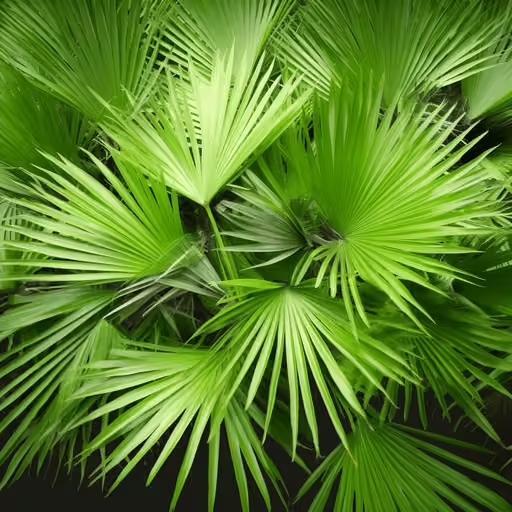
The berry of the fan palm: saw palmetto blocks the enzyme converting testosterone to DHT at the scalp, so miniaturizing follicles are spared.
From milk thistle's seed, silibinin holds follicles longer in active growth and sharpens insulin's action, easing the sugar-driven push on the root.
The rare vitamin E forms from palm fruit shield the scalp's oils and follicle cells from oxidation, so more strands stay rooted and growing.
Plant ceramides from wheat seal the cuticle and the scalp's barrier, and a calm, moist scalp lets each follicle stay longer in its growing phase.
Works on the A2B receptor: the adenosine receptor of the dermal papilla, the cells that decide how long a hair keeps growing and how thick it comes in.
Blocks the enzyme that makes prostaglandin D2, the prostaglandin that brakes hair growth.
Andrographis's bitter lactone throws the shield switch, arming follicle cells with antioxidant enzymes before free radicals can age the hair bulb.
Across thirty-two controlled trials, anthocyanins lowered fasting glucose, HbA1c and LDL and raised HDL.
Parsley and chamomile's flavone: in lab studies it lowered TGF-β1, a signal that ends a hair's growth phase, and lengthened follicles grown in culture.
Asiasari root, a Korean herbal staple, lifts VEGF so new capillaries reach the follicle, and holds hair in its growing phase for longer.
Baicalin protects the vessel lining from high blood sugar in diabetic mice and human cells, restoring the NRF2 defense program sugar had flattened.
In human hair follicles kept alive outside the body, EGCG promoted hair growth and multiplied the dermal papilla cells that drive it.
Rice bran's ferulic acid relaxes the vessels that feed the scalp through nitric oxide, and encourages follicle cells to keep dividing.
Houttuynia, the fish-mint of Asian kitchens, raises growth-factor signals that build blood supply at the root and extends the anagen phase.
Horny goat weed's flavonol blocks TGF-beta, the signal that tells a follicle growth is over, and so lets each strand keep lengthening.
The iron-binding protein of first milk, lactoferrin nudges the dermal papilla — the follicle's command center — to keep hair in growth.
A flavone found in celery and artichoke, luteolin calms inflammation around the follicle and lowers a prostaglandin, the lipid that brakes hair growth.
Regrew hair in mice, and the docking work targeted the enzyme that makes prostaglandin D2, the prostaglandin that brakes hair growth.
Released from grapefruit's naringin, this flavanone draws fresh capillaries toward the scalp's roots and keeps follicles cycling in active growth, not rest.
Red ginseng's ginsenosides shield the dermal papilla and keep follicles out of premature regression, so strands grow longer and thicker.
In human hair-follicle cells, the Annurca apple polyphenol formulation raised the production of hair keratins, with its antioxidant action confirmed.
Great burnet root, used for centuries in Korea, counters the stem-cell fatigue that stalls follicles and pushes them back into growth.
Sophora's matrine and kurarinone revive follicle signals that tell the bulb to grow — an old medicinal root repurposed for a thinning crown.
These grades describe the maturity of the published science for each ingredient — not a claim that the product treats, cures, or is clinically proven for any goal. These statements have not been evaluated by the Food and Drug Administration. This product is not intended to diagnose, treat, cure, or prevent any disease.