
A stress small enough to survive leaves the cell better defended than before.
The response outlasts the stimulus, and that is the whole of it: chaperone induction (heat-shock response) and antioxidant induction (NRF2) persist long after the stressor is gone, so the next insult meets defenses the cell did not previously hold. Glutathione is the substrate that capacity draws on, and it is finite — so heat exposure and its counterparts work as intervals and not as a climate.
A defense raised once is not spent on one threat, so the adaptive stress response reads broadly: immune support and recovery after load, mitochondria built rather than merely spared, cellular cleanup and the clearance of worn-out cells, blood-sugar handling and fasting insulin, cortisol and anxiety held lower, mood and alertness, testosterone and sexual function, the gut barrier, the liver, cholesterol and weight.
Five primary pathways of the thirty-three it targets. A pathway opens only on graded, published evidence, shown with its source at the ingredient level.
Educational only. Not evaluated by the FDA.
The story of Hormesis (Adaptive Stress Conditioning)
Hormesis — ‘The Forge’ — for a body that grows stronger from what it survives. A blacksmith does not harden steel by protecting it. He heats it until it glows, plunges it into cold water, and heats it again. Each shock rearranges the metal a little, and what leaves the forge is tougher than what went in. Your cells have worked this way for as long as there have been cells. The name for it is old and plain (hormesis): a small, well-judged stress teaches a living system to defend itself against a large one. You have felt it without knowing its name. The morning after a hard session, when the body feels lighter rather than broken. The clarity after a cold plunge. The steadiness that returns after a fast. None of those moments are comfortable. All of them leave something behind. What they leave behind is machinery. When a cell senses a mild threat, a switch that normally sits idle moves into the nucleus and turns on a whole library of defenses at once (Nrf2). The first thing that library builds is the cell’s own antioxidant, the molecule every tissue relies on to disarm oxidants before they strike (glutathione). The second is a crew of repair workers that find proteins bent out of shape and fold them back, or clear them away (heat-shock proteins). Heat itself is one of the oldest ways to call that crew to work (heat and thermal stress). A sauna feels like effort and leaves you better for it. Here is what comfort costs. A life without challenge lets these defenses idle, and idle defenses are slow to answer when the real threat arrives: the infection, the injury, the long illness, the decade that tests you. Hormesis is a controlled spark. It is built from the compounds plants make when they themselves are under siege, and your cells read those compounds as the gentle signal to get ready. It does not do the work of your defenses for you. It asks them to wake and do it themselves, again and again, until readiness becomes their resting state. A defense raised once is never spent on one thing only. The same waking that readies a cell against heat readies it against the February infection and against the low inflammation that never quite settles; cellular cleanup clears the worn-out neighbors and the debris they leave, and energy sensing and the fat-burning hormone go back to reading sugar and fat instead of running damage control. Lowered cortisol follows, and sleep, mood, lowered anxiety and an alertness you had stopped expecting come with it, while immune support rises and inflammatory signaling settles on the same axis. Appetite settles. The liver and the gut lining get their own turn. Testosterone, sexual function and recovery return, growth signaling behind them, and blood-sugar support, fasting insulin, cholesterol and weight follow quietly, because a body no longer spending everything on defense finally has something left to build with — which is how the slow things, BDNF signaling and vision among them, get their share last. Steel is not made in comfort. Neither is resilience. This is the forge, kept lit.
Hormetic stress-resilience switch.
★ 5.0 · 200:1 · $99











The studies, ingredient by ingredient
The compound that opened this field: it wakes sirtuins, the fuel sensor and the antioxidant switch through a plant's own stress signal.
The reference for benefit from mild stress: it frees the antioxidant switch directly, and small amounts drive the defense.
Mimics energy stress through AMPK to provoke an adaptive response, a measured biphasic effect.
Extends lifespan in roundworms along an inverted U, through AMPK, sirtuin and FOXO.
Icariin, a recognized hormetin: extends roundworm lifespan and stress tolerance through the insulin-signaling route.
Extends roundworm lifespan by switching on cellular self-clearance, proven causal, and drives the same in human cells.
Its chemical family is the best-mapped for reversing direction with quantity - protective in small amounts, the opposite in large - and that turn was charted in the laboratory.
The canonical mitohormetic: in roundworms EGCG extends lifespan through stress-triggered mitochondrial building, and the effect vanishes without the genes that route needs.
A documented hormetin with the clearest inverted-U here: in fruit flies a low amount extends lifespan by 16-18% and a high amount shortens it.
Human randomized trials show a buffered stress response — lower salivary cortisol and amylase, and lower blood pressure — and animal work shows the same stress-axis modulation.
Phenethyl isothiocyanate raises NRF2 and the defenses it commands in human cells.
A hydroxylated resveratrol analog. In roundworms it extends lifespan, and the effect requires both the FOXO and SIRT1 routes; under fasting it also depends on self-clearing and AMPK. It protects against heat and oxidative stress. Invertebrate evidence.
Across 7 trials and 587 people, lowered blood pressure 3.04/2.63 mm Hg; a second pooling cut CRP.
It raises FOXO and broad resistance to heat, heavy metals and oxidative stress.
Present in lemon balm, which is the only botanical anywhere with a trial imaging both liver fat and liver stiffness.
Human population data links higher intake to lower mortality.
A compound from brown seaweed. In animals its chemical family switches on two master regulators that drive the body's detox and heme-clearing enzymes and keep mitochondria in order; block those two regulators and the effect is canceled, proving the route.
An adaptogen of the Eleutherococcus genus.
A medicinal mushroom whose polypeptide works against cell aging through the KEAP1-NRF2 antioxidant system, and whose water extract protects brain mitochondria in aged rats.
Onion husk extract fed to aging rats raised their own catalase and superoxide dismutase in liver and brain.
Wakes the cell's fuel-sensing switch and frees the master antioxidant controller; cells build more mitochondria.
Andrographis supplies andrographolide, which latches directly onto the sensor protein that normally keeps the body's antioxidant defenses switched off, releasing them.
In an accelerated-aging mouse model, the decline slowed.
A burdock lignan that turns on the cell's self-clearing machinery through AMPK and mTOR.
Shayuanzi, the seed of Astragalus complanatus, is here for its flavonoids.
Barberry is the plant; berberine is the point.
Glucoraphanin from these vegetables converts to sulforaphane, the prototypical NRF2 hormetin, whose dose-response is a clear inverted-U.
In animal hearts that showed up as more of the body's own protective enzymes standing ready.
Ashitaba's two chalcones switch on the cell's energy sensor and trigger autophagy, the clear-out of damaged parts.
In roundworms, chicory's chicoric acid extended maximum lifespan up to 17.5% and raised stress resistance, through the AMPK and NRF2 switches.
Echinacoside, the phenylethanoid in cistanche, raises SIRT1 in living animals, calms the protein-folding stress that builds up in aging cells, and holds down oxidative damage.
Citrus sinensis's flavanone hesperidin extended life and slowed paralysis in nematodes engineered to build human amyloid, through one receptor gene and the housekeeping machinery that digests damaged protein before it piles up.
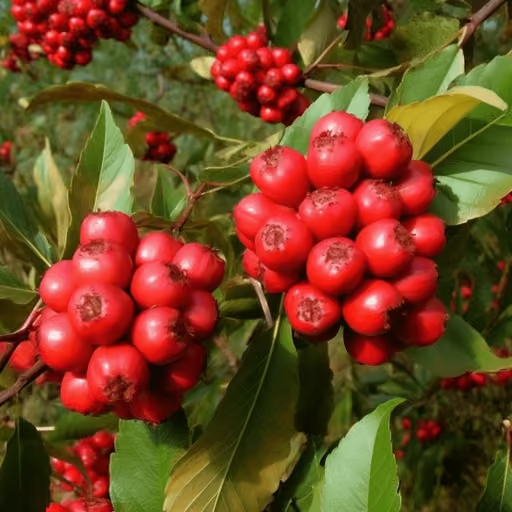
Hawthorn fruit and bark switch on the antioxidant and heme-clearing defenses in animals, and the heart is where the benefit lands.
It engages three separate defense systems at once, and its curve is biphasic: past a point, more of it present does less, not more.
In roundworms it extends lifespan through SIRT1, switching on the worm's NRF2 equivalent, its heat-shock proteins and its self-clearing machinery.
It signals through both the estrogen receptor and NRF2, and is less potent and less studied than genistein.
In skin cells pushed with UVB it held viability, cut reactive-oxygen production and DNA damage, and blocked the caspase cascade.
Purple yam, a source of diosgenin, the saponin that carries its activity.
It delivers diosgenin, a steroidal saponin that regulates both NRF2 and AMPK.
In roundworms it extends both lifespan and healthspan through p38 signaling and mitochondrial upkeep; in living animals its flavonoids switch on NRF2, confirmed causally.
Fenugreek delivers two actives: diosgenin, which regulates oxidative stress through NRF2 and AMPK, and 4-hydroxyisoleucine, which improves insulin sensitivity.
A hydroxycinnamic acid from grain and bran, cataloged among the compounds that work by mild provocation: it nudges cells to raise their own antioxidant defenses.
Rodent hearts and kidneys show that response.
In roundworms its ginsenosides extend lifespan through three separate longevity routes at once.
Held off cellular aging in mice through mitochondrial recycling, shown to run through the sirtuins.
A genuine mitohormetic, and a surprise in a joint-health ingredient.
Its active form, 18-beta-glycyrrhetinic acid, is a confirmed activator of the body's antioxidant and heme-clearing enzymes.
In roundworms this citrus compound lengthens lifespan, raises oxidative-stress resistance and blunts amyloid toxicity by driving autophagy, the cell's clear-out of damaged parts.
Cultivated Cordyceps: raises protective proteins so tissue withstands low oxygen, in animal work.
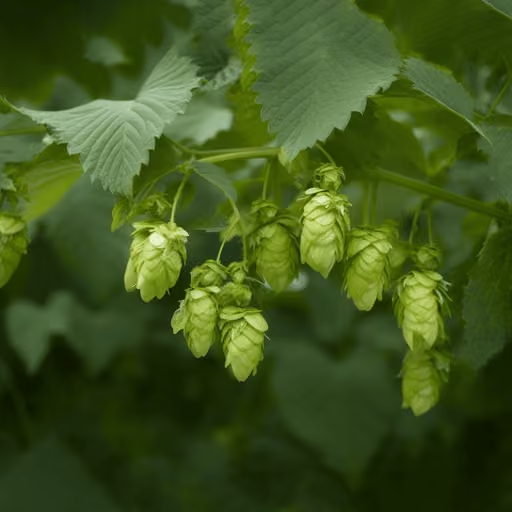
Hops carries xanthohumol, which switches the body's antioxidant defenses on by disabling the protein that keeps them suppressed.
Goldenseal is here for its berberine, which trips the cell's fuel-shortage alarm, the same sensor that fasting and hard exercise set off.
Olive oil's sharpest phenol works by mild provocation - a small oxidative nudge that leaves the cell with more antioxidant capacity and more mitochondria than it started with.
St John's Wort's hyperforin-type compounds switched on antioxidant and heme-clearing defenses in zebrafish and protected nerve tissue there.
In a meta-analysis of randomized trials, people with pre-diabetes on Ilex paraguariensis saw post-meal glucose and HbA1c fall.
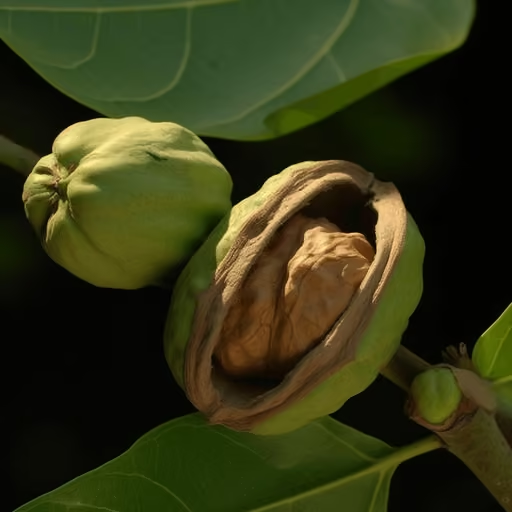
In a GRADE-assessed meta-analysis of 49 randomized trials, walnut lowered LDL, total cholesterol and triglycerides.
Take the antioxidant switch out of a mouse and luteolin stops protecting.
Its polysaccharides extend lifespan and stress resistance in roundworms through the SIRT1 and FOXO routes, switching on the worm's NRF2 and heat-shock responses.
Drives the recycling of damaged mitochondria and raises antioxidant defenses, through a sirtuin, in animal tissue.
Bajitian's oligosaccharides raise antioxidant and detox defenses and quiet the enzyme that pushes nerve cells toward self-destruction, measured in animal models of Alzheimer's disease.
Moringin, the isothiocyanate from moringa, switches on the roundworm's NRF2 equivalent — proven causally by deleting the gene — and extends lifespan; leaf extract extends lifespan by the FOXO route.
Mice artificially aged with a sugar challenge got their antioxidant enzymes back on leonurine, motherwort fruit's alkaloid, along with the master switch that governs them.
Its kernel extract prevented paracetamol liver injury in living animals by switching on NRF2 and its protective enzyme, and macelignan is the active lignan.
Naringin, the citrus dihydroflavonoid, emptied the fattened livers of fructose-fed rats, and in roundworms it extends lifespan through the insulin-signaling route.
It switches on the NRF2 antioxidant response and the cell's self-clearing machinery, raising mitochondrial recycling and lowering mTOR — shown in laboratory study.
Bakuchiol, its meroterpene, switches on NRF2 and its protective enzyme in living animals and works through the DAF-16 longevity route as well; the plant improves survival in roundworms.
It switches on the NRF2 antioxidant response, the heat-shock proteins and AMPK — the adaptive stress responses in full — and does so dose-dependently in living animals.
Against UVB in skin cells it preserved viability, lowered reactive-oxygen production and DNA damage, and blocked the caspase cascade.
It delivers diosgenin, which regulates oxidative stress through NRF2 and AMPK, and 4-hydroxyisoleucine, with metabolic and antioxidant benefit in living animals.
Diabetic mice with failing kidneys kept more working filtering tissue on jixueteng's flavonoids, and their depleted antioxidant enzymes climbed back up alongside the master switch that governs them.
A dandelion rich in caffeic acid, which in the laboratory protected heart cells from peroxide damage.
Supplementing it extends lifespan in worms and mice and healthspan in monkeys, dampening mTOR and reducing cell aging, mitochondrial failure, DNA damage and age-related inflammation.
It delivers diosgenin, which regulates oxidative stress through NRF2 and AMPK, and 4-hydroxyisoleucine, with metabolic and antioxidant benefit in living animals.
It delivers diosgenin, which regulates oxidative stress through NRF2 and AMPK, and 4-hydroxyisoleucine, with metabolic and antioxidant benefit in living animals.
In roundworms it extends lifespan and raises heat and oxidative-stress tolerance through the heat-shock and stress-resistance pathways.
The extract read here is from the leaf: it protected nerve cells against glutamate toxicity and lowered oxidative damage in roundworms through the DAF-16 / FOXO route.
Ashwagandha's withanolides switch on the body's antioxidant defenses by acting on their master regulator; delete that regulator and the effect is abolished, which proves cause.
These grades describe the maturity of the published science for each ingredient — not a claim that the product treats, cures, or is clinically proven for any goal. These statements have not been evaluated by the Food and Drug Administration. This product is not intended to diagnose, treat, cure, or prevent any disease.