
Blood must clot in one place and stay fluid everywhere else.
Hemostasis is an equilibrium rather than a direction: platelet aggregation and the coagulation cascade build, fibrinolysis removes. Trouble is that equilibrium settling too far either way — toward thrombosis on one side, or past the point where breakdown keeps pace on the other. Both arms are addressed, an equilibrium pressed from one side only having ceased to be one.
A balance is only as good as the surface it runs over. Blood flow and the endothelium decide where clotting is invited at all; inflammation and body-wide inflammation tilt it toward formation, antioxidant defense protects the lining, and reduced scarring is what keeps a healed vessel from becoming a narrow one. Energy sensing, the longevity gene, cellular cleanup, cholesterol and weight work that same surface over a longer horizon.
Four primary pathways of the fifteen it targets. A pathway opens only on graded, published evidence, shown with its source at the ingredient level.
Educational only. Not evaluated by the FDA.
The story of Thrombolytic (Hemostatic Balance)
Thrombolytic — ‘The Right Place’ — for circulation that keeps its own order. Clotting is not the enemy. Without it, a paper cut would be dangerous. The machinery that seals a wound within minutes is what keeps you alive after every scrape, every operation, every fall. The danger is not that blood clots. It is that it clots in the wrong place, inside a vessel that needed to stay open (thrombosis). A clot is built in three stages. First responders arrive: small cell fragments in the blood that stick to a damaged surface and to each other, forming a first plug (platelet activation). Then a chain reaction of proteins weaves a mesh through that plug, a net of strands that holds it fast (the coagulation cascade). And finally, once the vessel has healed, a solvent dissolves the net and reopens the channel (fibrinolysis). In a healthy body those three stay in balance. Clots form where they are needed, stay the size they need to be, and dissolve when their work is done. What tips the balance is familiar: long hours sitting still, long journeys, the years, a body carrying inflammation, blood that has grown a little too eager to stick. Then a clot forms where there was no wound to seal. Thrombolytic restores that balance rather than disabling the system. It calms the first responders so they gather only where they are called, tempers the mesh so it is woven in proportion, and supports the solvent so that whatever forms can be cleared. A balance is only as good as the surface it runs over. Antioxidant defense protects the lining, reduced scarring is what keeps a healed vessel from becoming a narrow one, and the cell’s go-signal is part of how a platelet is told to stand down again. Energy sensing, the longevity gene and cellular cleanup work that same surface over a longer horizon, with cholesterol deciding what it is bathed in. Order here is maintained rather than imposed, which is the only way a balance ever holds. Order is not the absence of clotting. It is clotting in the right place, and nowhere else.
Preventing blood clots — platelet, cascade & fibrinolysis.
★ 5.0 · 200:1 · $99










The studies, ingredient by ingredient
The only ingredient here with an effect confirmed by EFSA: maintenance of normal platelet aggregation, on eight human studies.
Two randomized trials: lower platelet adhesion and aggregation than placebo, with blood epicatechin up 81%.
Two randomized, placebo-controlled trials in 87 and 108 adults: platelet aggregation fell, clotting tests untouched.
Human evidence on clot dissolution and platelet activity; named first among foods with antiplatelet action.
Lowered platelet activating factor in a randomized trial, upstream of the clot, with bleeding measures intact.
Taken by mouth, it moved five clotting measures the right way, all within the normal range; it also degrades PAI-1.
Achyranthes bidentata Bl. root extract blocks activation of tissue factor and PAI-1 together - the switch that starts the cascade and the brake that stops it clearing.
Dong quai's ferulic acid and ligustilide calm platelets, slow blood's turn from liquid to solid and dissolve clots forming where they should not.
One agent reaching all three arms of clotting: clot formation, platelet aggregation and clotting time.
One resin, two named drug targets: loureirin B inhibits PAI-1, loureirin D inhibits the same platelet receptor clopidogrel acts on.
Red sage root works through three molecules and three mechanisms, and its clot-delaying effect held in animals bred to clot faster.
Motherwort, named for its role in childbirth, restrains platelets and switches off the inflammatory cascade that seeds clots in the wrong place.
It protected against death from pulmonary thrombosis.
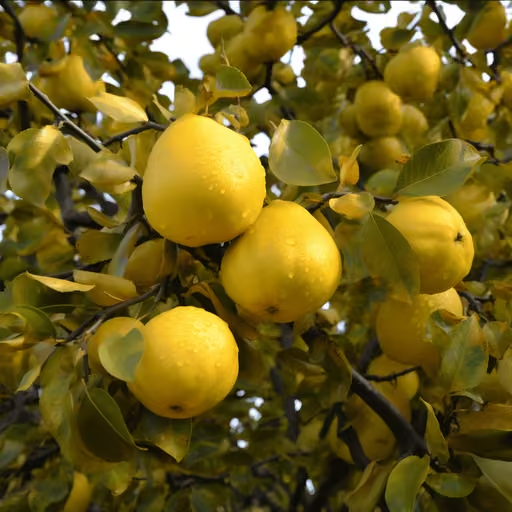
Chaenomeles sinensis's fruit flavonoids inhibit tissue factor directly - the third unrelated plant here acting on that one switch.
Berberine and its metabolite both act, which matters for something swallowed.
Platelet aggregation was inhibited in forty-eight people, including patients with atherosclerotic disease.
Ligusticum chuanxiong Hort. extract reduces the fibrinogen receptor whose activation is aggregation, and blocks adrenaline-driven thrombosis specifically.
Aimed at the kind of platelet clumping that only occurs under pathological conditions - pursued precisely as a way to act on clots without the usual bleeding trade-off.
Its anticoagulant activity was confirmed across the complete clotting panel, with four separate compounds carrying it.
Ginsenoside Rg1 cut thrombin-driven human platelet aggregation and reduced arterial thrombus in vivo.
CME-1 polysaccharide (27.6 kDa) inhibited human platelet aggregation when stimulated by collagen, thrombin and arachidonic acid, by activating adenylate cyclase and raising cyclic AMP.
Curdione inhibited PAF- and thrombin-induced human platelet aggregation dose-dependently, lowered P-selectin expression, raised cyclic AMP and reduced calcium mobilization. The authors note their tail-thrombosis result might be explained by vasodilation, so the grade rests on the platelet mechanism.
These grades describe the maturity of the published science for each ingredient — not a claim that the product treats, cures, or is clinically proven for any goal. These statements have not been evaluated by the Food and Drug Administration. This product is not intended to diagnose, treat, cure, or prevent any disease.