
The body is mostly water, which is precisely what makes it the target.
Radiation injures DNA largely indirectly, through radicals generated in water — so the defense is chemical, never physical. What is at stake is DNA integrity against oxidative stress. Selenium-dependent enzymes and their recycling partner carry most of that defense (GPx, glutathione reductase, selenoproteins), a lipid-phase antioxidant holds the membranes (tocopherol, plasmalogens), and one enzyme stands on the far side of the ledger, a source where the others are sinks (NOX). Immune competence falls under exposure as well, and non-ionizing fields answer on their own terms (mains-frequency and radiofrequency fields), while sulfur conjugation clears what the enzymes hand off (transsulfuration) and the pentose phosphate pathway supplies the reducing power every antioxidant cycle spends (NADPH). UV and ionizing radiation exposure are the same chemistry at different energies.
Protection is only useful where the body is still dividing. Cell turnover is the tissue most at risk, and sperm quality, the reproductive axis, the gut barrier and follicle oxidative stress are where rapidly renewing tissue shows damage first. Resistance to infection matters because immune competence falls under the same exposure, with insulin sensitivity and fasting insulin reading the metabolic cost.
Sixteen primary pathways of the twenty-four it targets. A pathway opens only on graded, published evidence, shown with its source at the ingredient level.
Educational only. Not evaluated by the FDA.
The story of Force Field (Genomic Radioprotection)
Force Field — ‘The Firebreak’ — for a body that has to stand in the light and live. Some exposures cannot be avoided. The sun you walk under (ultraviolet radiation). The medical scan, the long flight, the background of the modern world (radiation & EMF exposure). The high-energy rays that break chemical bonds outright (ionizing radiation), and the low hum of the wiring in every wall (power-frequency EMF). You cannot live inside a lead box. So the question is not whether the spark lands. It is how far the burn runs. When radiation passes through a cell, it rarely strikes the DNA directly. Mostly it splits water, and the fragments become sparks, highly reactive forms of oxygen that fly off and damage whatever they hit (oxidative stress, ROS). The body even makes such sparks on purpose, as weapons, with an enzyme built for the job (NADPH oxidase). Where the sparks reach the genome, they leave a record of breaks and lesions that accumulates over a lifetime (DNA damage). A firebreak is a strip of ground cleared ahead of time, so that when the fire comes it has nowhere to go. The body keeps firebreaks of its own. A family of enzymes that spend glutathione to neutralize those sparks (glutathione peroxidase), and a partner enzyme that recycles the spent glutathione so it can be used again (glutathione reductase). Both depend on a supply of reducing power, generated along a side road of sugar metabolism (the pentose phosphate pathway, NADPH). The enzymes that do the spending carry a rare element at their active site, which is where the body’s selenium actually goes (selenoproteins). And in the fatty membranes of every cell, a vitamin stands guard against sparks that would otherwise run along the membrane like fire through dry grass (tocopherol, vitamin E). There is a second casualty of radiation, easy to miss. The immune system is one of the most radiation-sensitive systems in the body, and after exposure its guard can stand down just when it is needed most (immunosuppression). Force Field clears the ground ahead of the fire. It stocks the enzymes that neutralize the sparks and the side road that powers them, protects the membranes and the genome, and helps the immune guard stay at its post. A defense is only as good as its resupply. Antioxidant recycling is what returns a spent enzyme to work, and the sulfur clearance route carries off what those enzymes hand down. Not all exposure is ionizing: mains-frequency fields from wiring and radiofrequency fields from everything that transmits answer on their own terms, and they are addressed as themselves rather than folded into the same chemistry. Protection is only useful where the body is still dividing, so cell turnover is the tissue most at risk, with sperm quality, the reproductive axis and the gut barrier showing damage first. Resistance to infection matters because immune competence falls under the same exposure, and insulin sensitivity with fasting insulin reads the metabolic cost. It does not stop the spark. It decides how far the burn runs.
Radiation-injury and UV photoprotection: DNA repair, and the oxidative burst radiation leaves behind.
★ 5.0 · 200:1 · $99





















The studies, ingredient by ingredient
In a head-and-neck trial, a third of treated patients had no mouth ulceration; every placebo patient developed it.
Four pooled analyses agree: it keeps mucositis from turning severe, halving grade 3-4.
Six pooled analyses, up to 19 trials and 1,276 patients: it beat standard hospital care, more so as injury grew severe.
In an Egyptian trial, severe mouth ulceration struck 30% on placebo against 5% on melatonin.
In a phase 3 trial of 386 people, 23% fewer skin lesions; it restores the energy UV strips from skin cells.
In 22 adults over nine weeks, blinded, skin needed more UV to redden than on placebo, and held its water.
In 40 head and neck patients rinsing with marigold flower extract or an identical placebo, ulceration scored lower at weeks two, three and six, the week-three gap widest and far beyond chance.
Among 49 women having chest-wall radiotherapy nobody's skin broke down past the mild stages, and by the end pain had eased in 86%, burning in 90%, itching in 88%.
Against the standard urea cream for radiation-burned skin, darkening fell from 94% to 68%, with less itching and burning.
Cocoa flavanols raises the skin's burn threshold from the inside.
In a blinded trial of 42 volunteers against another fatty acid, EPA raised the ultraviolet needed to burn by about a third and halved the skin's DNA-damage response.
Cleared the chromosome-breaking factors that linger after radiation, in Chernobyl clean-up workers and in thyroid patients on radioiodine.
92 in a hundred finished on schedule, against 70.
Completely blocked the three genes ultraviolet switches on in skin.
Silences all three alarms ultraviolet sets off in skin, where placebo let every one of them fire.
Held visible dermatitis to 30 in a hundred by the thirteenth radiotherapy session, where standard care alone let 90 redden — 62 women after mastectomy.
Oral proteolytic enzymes cuts radiation skin damage bad enough to need treating by 58%, and the severe, ulcerating kind by 82%, pooled across randomized trials.
In 46 people on head-and-neck radiotherapy, double-blind for seven weeks, mouth ulceration and pain eased.
After five days, 64% of 25 volunteers burned later under measured UV.
Timing is the lever: given before exposure it works, given after, far less.
In volunteers who took it by mouth for six days, blood drawn afterwards and irradiated showed the same shielding.
Twenty adults lit with ultraviolet took vitamin D or placebo an hour later, nobody knowing which; their skin ran quieter on the inflammation's messengers and the redness stayed faded.
Of fifteen people given zinc through weeks of radiotherapy to the mouth, none reached the ulcerating grades of mucositis; eight of twelve on placebo did. A larger blinded trial agreed.
Blunts radiotherapy's mouth ulceration, and the appetite loss and painful swallowing that follow, in 20 patients who gargled it before each session.
Pushes the peeling stage of radiotherapy burn out to 5.1 weeks from 4.5.
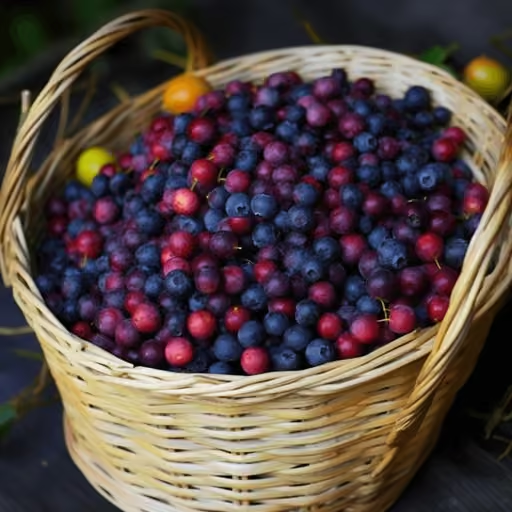
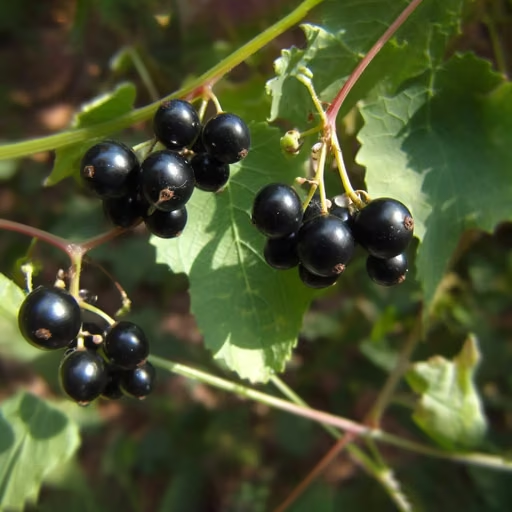
Morus nigra cuts the risk of radiotherapy mouth ulceration by 37% in 80 head-and-neck patients, and in a model loaded with every competing factor no other variable independently predicted staying clear.
Kept broken chromosome fragments in white blood cells from rising through cardiac catheterization, at two hours and at twenty-four, where the untreated group's count climbed at both.
Cuts the chromosome fragments X-rays scatter through healthy human cells and keeps them from sliding into premature old age.
Panax ginseng cuts the chromosome fragments radiation leaves in human cells by 46%, and by 61.5% at the stronger extract.
In irradiated human blood it cut chromosome breakage.
Cut the chromosome fragments gamma rays leave in human white blood cells by 32%.
In mice, liquorice root's sweet principle controlled that mortality completely, turning tolerant immune cells back into bacteria-killers.
Cut radiation's chromosome damage in mouse marrow, a day and a month after exposure, given before or after.
In mice given whole-body gamma radiation, preserved maze learning and the brain's memory cells.
Survival rose a few percent; the tissue evidence is the stronger half.
The body tolerated 1.43 times the radiation, among the highest protection factors recorded for a single plant.
In mice, raised the radiation level tolerated and carried more animals through gut and marrow injury.
Past a point more helped less — the benefit sits in a window, which is how real protection behaves.
In mice and rats, protected marrow from gamma rays, with fewer deaths and better-preserved liver and lung.
Seven randomized trials pooled under a registered protocol: severe mucositis cut by two-thirds against placebo.
Amaranthus paniculatus raises the radiation a body tolerates.
Astragalus membranaceus protects the irradiated kidney.
Restocks white blood cells after the exposure has already landed. Mice given punarnava extract after whole-body gamma held 4,000 white cells per cubic millimeter at day three and 6,250 by day nine, against about 1,500 untreated — four times the count.
Caffeic acid lowers radiation damage in a dish of human white blood cells — micronuclei, comet tails and membrane oxidation all fell back toward normal after a half-hour soak.
Mice given brown-seaweed phlorotannins before eight units of radiation held significantly more surviving intestinal crypts, spared the wave of cell suicide; companion work cut death rates and restocked blood counts.
Emblica officinalis protects mice against radiation lethality, against the fat oxidation radiation sets off, and against DNA damage — three endpoints at once, which few laboratory botanicals carry together.
Epicatechin protects at the mitochondria, before the alarm becomes a casualty.
Lifts survival two-and-a-half-fold in mice at a radiation level that kills most untreated animals, with fewer chromosome fragments and fewer fresh double-strand breaks.
Fifteen days of stem-bark extract also brought white-cell counts most of the way back and roughly doubled spleen and thymus weight.
Raised radiation tolerance 1.29-fold, the best of the vitamin E family; in monkeys, neutrophils recovered days sooner.
Ganoderma lucidum cuts chromosome fragments in the marrow of irradiated mice from about fifty-six per hundred to four, with blood counts and antioxidant enzymes moving back toward normal.
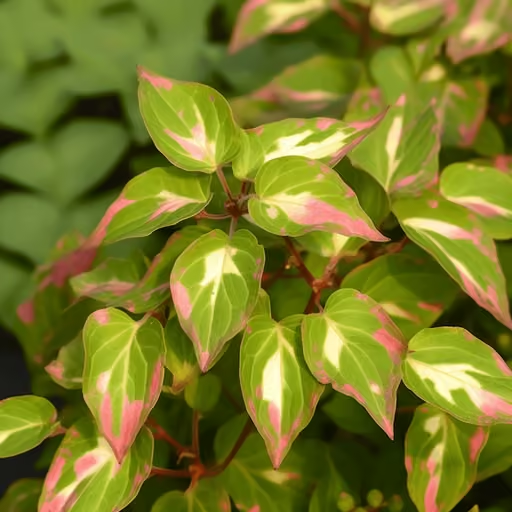
Gardenia jasminoides restores the antioxidant enzymes ultraviolet strips out.
Timing is the active ingredient.
In laboratory hamster lung cells this waterlily-leaf tannin restored survival and colony formation after gamma radiation, by preserving the mitochondrial voltage whose loss commits a cell to death.
Grewia asiatica restores what radiation strips out of gut, testis and brain.
Hemidesmus indicus protects the two things radiation reaches first: the fatty membrane wrapping a cell and the DNA strand inside it.
Marrow chromosome fragments fell in step with the amount given, and the berry binds and compacts DNA itself, preventing breaks at the target.
Houttuynia cordata cuts the reactive-oxygen load ultraviolet dumps into human skin cells by 61%, more than doubles their fresh collagen, and turns down the enzyme that chews collagen up.
In mice it more than doubled survival.
In mice given head radiation, held the blood-brain barrier near healthy and restored maze memory.
Lung scar protein rose a quarter where radiation alone drove it up two-thirds.
Lonicera japonica restores the blood flow and nitric oxide that abdominal radiotherapy strips from the gut's small arteries in rats, so the vessels widen again.
Tested against amifostine, the standard protective drug, black goji held its own.
Raised survival in mice after lethal whole-body gamma radiation, against both gut and marrow failure.
Mentha piperita cuts every kind of chromosome break radiation makes in mouse marrow — breaks, rings, fusions, fragments — at every time point, and clears the damage faster.
Moringa oleifera cuts radiation's chromosome damage in mouse marrow to two-thirds of radiation alone on day one; by day seven the marrow reads normal.
Nelumbo nucifera carries whole mice through gamma radiation: fewer deaths, a spleen that keeps its size and goes on forming stem-cell colonies, fewer chromosome fragments in young marrow cells.
Prevented the DNA breaks and fragmented nuclei gamma radiation leaves in mouse immune cells, and damped the oxygen burst behind them.
Shifted radiation's chromosome damage in mouse marrow 2.6-fold, and beside amifostine added protection while canceling its toxicity.
Measured not against nothing but against a steroid-and-antibiotic regimen, it was still holding at twelve weeks, when the drug arm had faded.
Cut the oxidized purine sites gamma rays leave in naked DNA by 65% and the pyrimidine ones by 84%, and the clustered lesions cells repair worst of all by 80%.
Restored white-cell counts and the thymus in mice after marrow-suppressing radiation.
Ginseng's triol saponins led the rebuilding of blood colonies and the sparing of gut cells in irradiated mice.
Protected the irradiated liver in mice, before or after X-rays: fewer leaked enzymes, milder injury.
Kept white cells and marrow higher in irradiated mice, restored antioxidant enzymes and cut chromosome breaks.
In lung cells its phenolics held 67 to 86% of viability at ten units of radiation, with the DNA breaks blunted.
In the tube the leaf's water extract scavenged over 90% of the standard test radical and halved membrane fat damage.
In irradiated human blood it cut chromosome breakage and cell death.
A water-loving mushroom of Chinese medicine whose polysaccharides shield the immune system when radiation would suppress it, keeping defense standing.
Cut radiation's oxidative damage to spleen and liver in mice, lifting SOD and glutathione.
Stirred into a finished sunscreen, laver's red pigment lifted sun protection factor from 48.76 to 50.95 and long-wave UVA protection from 43.88 to 45.54.
In rats fed purslane after radiation exposure, liver and kidney markers fell by a quarter to a third.
Propolis cuts radiation-broken chromosomes in human cells, and cuts more as the resin rises.
In 60 people on head-and-neck radiotherapy, blinded: less burnt skin and less mouth ulceration.
Rebuilds the immune system irradiated mice lose: interferon-making helper, killer and natural-killer cells rose, the cells that call an immune response off fell, and far fewer pigmented-cell nodules seeded in the lung.
Rheum officinale cuts the leakage from dying brain cells by more than 85% in irradiated rat neurons, pulling DNA fragmentation down with it.
Improved survival and spared the intestinal wall in irradiated rats.
Kept red and white counts, hemoglobin and hematocrit from collapsing in irradiated mice, back near normal by day thirty while untreated animals stayed depleted.
Liver fat-damage fell about 60% and marrow chromosome fragments from 1.32% of cells to 0.81, climbing with the amount given.
The blood factory restarted: about three spleen colonies of regrowing stem cells in controls against 45 to 47.
Cut UV DNA-damage markers in mouse skin from six cells in ten to four, and more than doubled human skin-cell survival.
Blocked the self-destruction UV sets off in human skin cells, with the chain traced.
Loaded into human skin cells beforehand, either form of selenium cut ultraviolet-driven cell death by about 70% while leaving the cell's damage alarm intact.
Semen Coicis holds the antioxidant defense up through whole-body gamma in mice: superoxide dismutase ran 32% higher in blood, 45% in liver and 57% in spleen than in irradiated animals untreated.
The seed's own phenol, sesamol, cuts radiation's chromosome damage in mouse bone marrow by 57% and halves the fragment-bearing young red cells, with snapped-loose DNA down from 40% to 8%.
Sesamol protects the marrow, the tissue that decides survival after radiation: in mice, chromosome breakage fell 57% and fragment-bearing young red cells by half.
Protected the blood-forming system in irradiated mice and restored gut bacterial balance, with antioxidant defenses up.
Sulforaphane raises survival a quarter in human cells held a day under the 2.45 gigahertz field of microwaves and wi-fi, restoring 56% of the charge a cell needs to make energy.
Jamun seed carries mice through the sickness and death that follow a lethal whole-body gamma dose.
In mice given it before whole-body gamma, liver membrane damage and DNA breaks both fell; human cells were shielded too.
Liver DNA fell less and was back to normal in ten days where untreated livers were still short at four weeks; ovaries, marrow and survival all moved with it.
At lower exposure chromosome fragments fell from 30 per thousand cells to 11, and aberrations from 56% of cells to 28%.
The vessel enzyme never moved — antioxidant work.
Fades radiation's fingerprint in bone marrow — the young red cells that carry broken-off chromosome fragments.
In irradiated human cells, cut double-strand DNA breaks about 12%, more with selenium, before or after the beam.
The gut lining kept its villi, the testis its sperm count and testosterone, and in human cells the double-strand DNA breaks fell.
Withania somnifera keeps irradiated rat heart muscle whole.
Ziziphus zizyphus reverses three-quarters of the lymphocyte collapse that follows whole-body X-rays in mice, with superoxide dismutase up 42% and the oxidized-membrane marker down 14%.
In rats after head-and-neck radiation, pretreated salivary glands made more saliva and less scar.
In blood immune cells treated in the lab, N-acetylcysteine raised the activity of G6PD, the enzyme that makes the cell's reducing power, where it had run low.
Saccharomyces pastorianus extract raised liver G6PD in diabetic rats toward normal.
These grades describe the maturity of the published science for each ingredient — not a claim that the product treats, cures, or is clinically proven for any goal. These statements have not been evaluated by the Food and Drug Administration. This product is not intended to diagnose, treat, cure, or prevent any disease.