
Beta-cell mass can expand; whether it survives is an immune question.
The brake on that expansion is a single kinase, DYRK1A. Whether new cells survive depends on the immune environment — islet-directed attack, and the regulatory cells that hold it back (insulitis, Treg). Endogenous production is measured directly, never inferred (C-peptide), with the exocrine compartment and its inflammation standing beside it (pancreatitis). Beta-cell regeneration is the object throughout, including where the loss is autoimmune (type 1 diabetes).
Surviving beta cells live in a neighborhood. Calmed inflammation, inflammatory signaling and a calmed histamine response decide how hostile that neighborhood is; the gut barrier and the gut-vascular axis are where much of the hostility originates; eased ER stress is what an overworked secretory cell needs most. Insulin sensitivity and blood-sugar handling lower the demand on whatever mass remains, with resistance to infection, the reproductive axis and anxiety reading the same recovery.
Thirteen primary pathways of the twenty-four it targets. A pathway opens only on graded, published evidence, shown with its source at the ingredient level.
Educational only. Not evaluated by the FDA.
The story of Pancreas Regenerator (Islet Cell Restoration)
Pancreas Regenerator — ‘The Quiet Organ’ — for the organ that gives no warning. Your pancreas does its most important work without ever being felt. Scattered through it are clusters of cells that sense every rise in blood sugar and answer it with insulin, meal after meal, for a lifetime (the pancreatic β-cell, the insulin source). Beside them work their neighbors, which release the opposite signal when sugar falls (the pancreatic α-cell, glucagon). The balance between the two is how your body keeps its fuel steady. The insulin makers do not announce their decline. By the time blood sugar begins to rise, a large share of them may already be exhausted, inflamed or gone. That is the quiet in the name, and it is the reason this organ deserves attention long before it asks for any. Some of the damage comes from within the gland. Around the islets live cells that, when irritated, begin to lay down scar (pancreatic stellate cells). The part of the pancreas that makes digestive enzymes, the enzyme factory, can become inflamed and begin to injure itself (pancreatic acinar cells, chronic pancreatitis). Some of the damage comes from the immune system. An attack squad of immune cells can turn on the insulin makers themselves (the Th1 and IFN-γ effector arm), and the peacekeepers whose job is to prevent exactly that can fall short (regulatory T cells, FoxP3). When the attack wins, the result has a name (type 1 diabetes, the autoimmune one), and restoring the immune system’s restraint is part of protecting what remains (immune modulation). Here is the hopeful part. Insulin-making cells are not simply spent and never replaced. The body retains the capacity to make new ones (beta-cell regeneration), and there is a way to see whether the cells that remain are still working, from a fragment released every time insulin is made (C-peptide, what is left). Pancreas Regenerator is built for that whole picture. It protects the insulin makers and their neighbors, helps quiet the scar-laying cells and the inflamed enzyme factory, supports the peacekeepers and restrains the attack squad, and backs the body’s own capacity to renew what it has lost. Surviving beta cells live in a neighborhood. Calmed inflammation, inflammatory signaling and a calmed histamine response decide how hostile that neighborhood is; the gut barrier and the gut-vascular axis are where much of the hostility originates; and eased ER stress is what an overworked secretory cell needs most of all. Blood-sugar support lowers the demand on whatever mass remains, insulin sensitivity decides how far that mass has to stretch, and resistance to infection, the reproductive axis and lowered anxiety read the same recovery — the ordinary life that returns when an organ stops being asked for more than it has. The quiet organ has always looked after you. This is how you look after it.
β-cell & pancreatic support.
★ 5.0 · 200:1 · $99









The studies, ingredient by ingredient
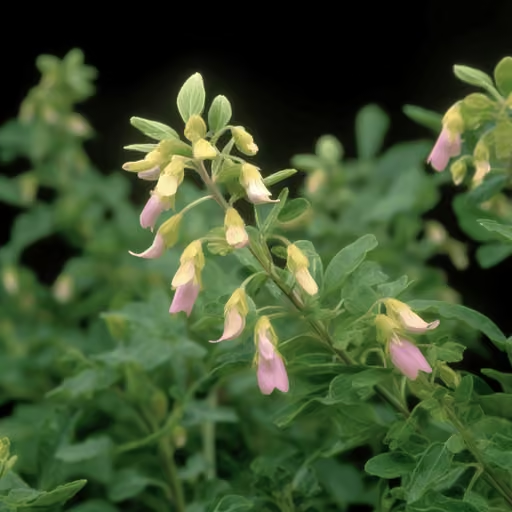
White peony's total glucosides are an approved immune-calming drug in China, backed by eight randomized trials.
In randomized trials of cholecalciferol, vitamin D raised regulatory T cells and their suppressive strength over twelve months.
Measured on the islets themselves after injury: their number restored to 80% of normal, with size following.
Regenerated islets in a beta-cell injury model, with a measurable effect on human islet tissue directly.
Across 25 randomized trials, fasting glucose, HbA1c, insulin and insulin resistance all fell.
In people with prediabetes, 16.4% on placebo developed type 2 diabetes; none on curcumin did.
Feeds the gut organisms that maintain the intestinal barrier, through the metabolites the gut wall depends on.
Green rooibos's aspalathin protected insulin-making cells from dying under toxin, peroxide and chronic high-glucose stress.
In animal studies, astragalus polysaccharide raised the tight-junction proteins that hold the gut wall shut.
It blocked beta-cell apoptosis through the caspase cascade and shifted the Bax to Bcl-2 balance that decides whether a cell dies.
Against the two molecules immune cells release into an islet under attack, EGCG kept insulin-making cells alive and cut their toxic nitric oxide.
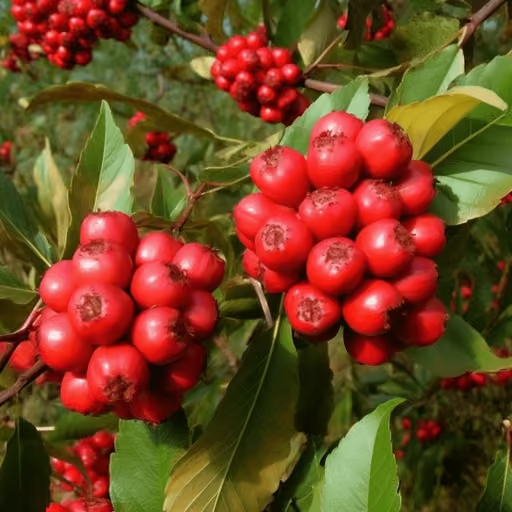
In insulin-making cells stressed by high fructose, a polyphenol-rich hawthorn fraction sharply shut down the protein-folding stress response.
The second, given by mouth over twelve weeks, worked through the PI3K/Akt insulin-signaling route.
The bacteria that thin out in the silent years before type 1 appears are the ones this feeds.
Reported to raise ZO-1, a tight-junction protein of the intestinal barrier, and separately to repair endotoxin leakage through the TLR4 route.
Guava leaf, in a study whose title states the finding plainly: it prevents beta-cell death.
Baicalin, against the cells that turn a working pancreas into scar tissue.
Two separate molecules from one root, catalpol and the polysaccharide fraction, each measured against beta-cell damage by different investigators.
In insulin-secreting cells under toxin stress it moved PDX-1, the master transcription factor of beta-cell identity, alongside Bcl-2 and the PI3K/AKT survival route.
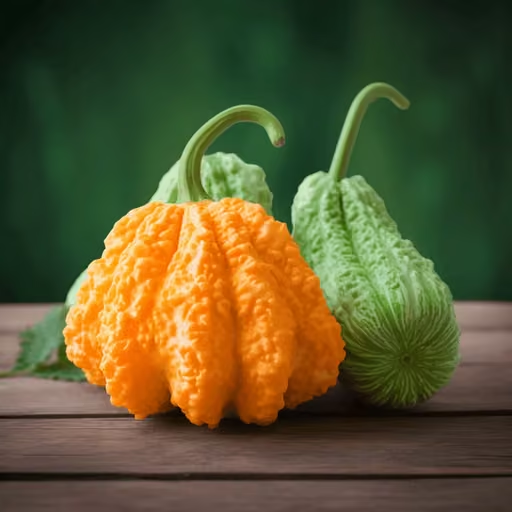
Chinese cucumber, working on the insulin receptor pathway itself, upstream of everything the hormone does once it lands.
In a beta-cell-toxin model it restored the structure of the endocrine islets and the exocrine acini together, and raised insulin and C-peptide with a sulfonylurea running as the comparator.
Reaches two routes at once: the inflammatory master switch and insulin signaling.
Wood ear, on NF-kappa-B, the transcription factor sitting upstream of both the cytokines that damage islets and the stellate cells that scar the gland.
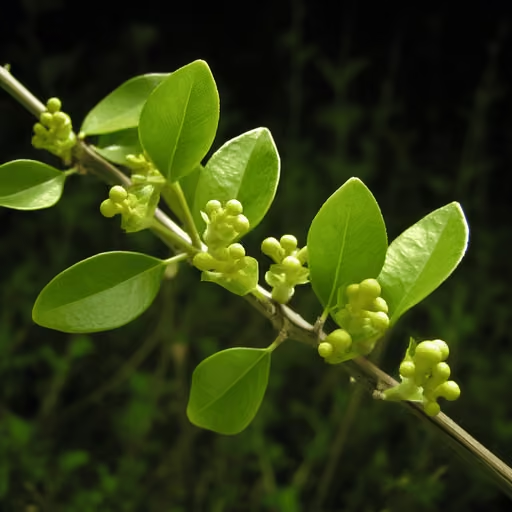
Glossy privet fruit, standardized to oleanolic acid, on the same inflammatory switch.
Given by mouth for thirty days in a beta-cell-toxin model, it raised beta-cell mass and drove proliferation in insulin-producing cells.
Insulin rose fifty-seven percent and C-peptide thirty-nine.
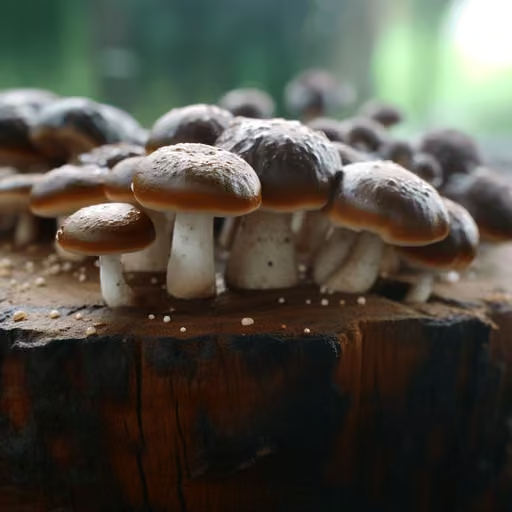
Lentinan, the shiitake mushroom's beta-glucan, reduced the attacking T cells and expanded regulatory T cells in mice whose immune system targets their insulin-making cells.
These grades describe the maturity of the published science for each ingredient — not a claim that the product treats, cures, or is clinically proven for any goal. These statements have not been evaluated by the Food and Drug Administration. This product is not intended to diagnose, treat, cure, or prevent any disease.