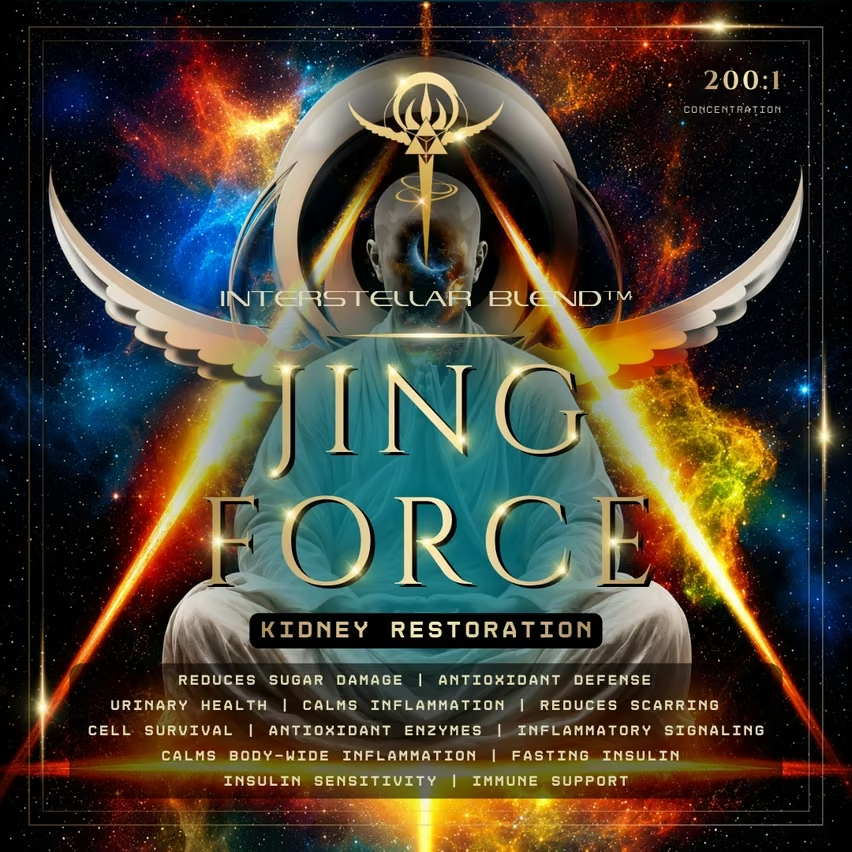
An organ built with surplus will not report what it has already lost.
Function falls for years inside that surplus, so the first abnormal result arrives late by construction. Two processes do most of the indolent damage: irreversible cross-linking of protein by glucose (AGEs), and an oxidative load met by inducible antioxidant defense (NRF2). Filtration is what gets measured and urinary health is what gets noticed, and the two decline on separate schedules — so the kidney is judged, in the end, on a number no patient can feel.
What protects a kidney is mostly what it is not asked to filter. Insulin sensitivity and fasting insulin govern the glycation upstream; inflammation, body-wide inflammation, inflammatory signaling and the fat-tissue signal are what turn an injury chronic; reduced scarring is the difference between a nephron recovered and one lost. Antioxidant enzymes and cell survival hold the tubule, with immune support and anxiety sitting on the same axis.
Four primary pathways of the fifteen it targets. A pathway opens only on graded, published evidence, shown with its source at the ingredient level.
Educational only. Not evaluated by the FDA.
The story of Jing Force (Kidney Restoration)
Jing Force — ‘The Filter’ — for the organ that works in silence until it cannot. In Chinese medicine the kidneys are the storehouse of Jing, the essence you are born with and spend across a lifetime. Protect the storehouse and you age slowly. Spend it recklessly and the years arrive all at once. Modern physiology tells the same story in plainer words: your kidneys are the filter your whole life runs through (renal function), and they are among the quietest organs you own. Every day your blood passes through them again and again, dozens of times over, while about a million tiny filters in each kidney pull out waste, balance salt and water, and hand back everything worth keeping. They do it without a sound, and that silence is exactly the problem. A kidney can lose a great deal of its capacity before anything hurts, and by the time something does, much of what was lost is already gone. What wears the filter down is mostly sugar and time. Sugar that lingers in the blood binds to proteins and slowly caramelizes them, stiffening the delicate filtering vessels from the inside (advanced glycation, AGEs). Oxidants build up faster than the tissue can clear them, while the cell’s own defense switch, the one that turns on its antioxidant and repair programs, answers more slowly with the years (Nrf2). The first signs, when they come, often arrive downstream: a flow that has changed, nights that are interrupted (urinary function). Jing Force is built to protect that storehouse. It helps keep sugar from caramelizing the filter, wakes the defense switch that protects each filtering unit, and supports the easy flow that tells you the whole system is working. What protects a kidney is mostly what it is not asked to filter. Calmed inflammation, body-wide and in its signaling, with the fat-tissue signal behind it, is what turns an injury chronic when it is left running. Reduced scarring is the difference between a nephron recovered and one lost, and cell survival decides which it will be. Insulin sensitivity and fasting insulin govern the glycation upstream, immune support holds the line, and lowered anxiety belongs here because the organ sits on the same axis as everything else that answers to stress. An essence you are born with cannot be replaced. It can be protected.
Renal support — kidney biomarkers, antioxidant & anti-inflammatory pathways.
★ 5.0 · 200:1 · $99








The studies, ingredient by ingredient
Blunts the sugar-branding of kidney proteins and helps the filter keep its protein inside.
In a randomized human trial, curcumin raised NQO1, a gene of the body's own antioxidant defense, 3.3-fold, and lowered IL-1beta and TNF-alpha.
Rare plant sterols in cold-pressed pumpkin seed oil slow the enzyme, turning testosterone to DHT — the hormone that shrinks follicles thin.
Rouses sirtuin in kidney cells, helping each filtering unit hold protein and pass only waste.
Arms kidney cells against oxidant wear while turning down the NF-κB alarm that inflames them.
A root prized in Chinese medicine for millennia, astragalus steadies the kidney's delicate filtering membrane so protein stays in the blood, not the urine.
The Himalayan caterpillar fungus favors the kidney: its polysaccharides and nucleosides help the filter sort waste from protein with a steadier hand.
One in five cleared at eight weeks against one in fourteen on placebo, in 522 people never treated before.
Pooled across 66 randomized trials, curcumin lowered CRP, IL-6 and TNF-α, the markers of low-grade inflammation.
Reishi's triterpenes temper TGF-β, the signal that lays down scar collagen in kidney tissue.
Reishi's triterpenes and beta-glucans restore worn stamina, carrying energy further into the evening.
Citrus-peel hesperidin prompts cells to make more of their own antioxidant enzymes through Nrf2.
Wolfberry's polysaccharides settle the inflammatory chatter in kidney tissue, damping the NF-kB messenger that sets the whole cascade in motion.
Reaches the abnormal prostate cells that no longer answer to hormone-blocking drugs: goji's polysaccharide fraction pushed programmed death to 41.5% and 35.5% in two such human cell lines and broke their DNA outright.
The onion-skin flavonol quercetin guards renal cells from untimely death and restrains TGF-beta, the growth factor that lays down scar in the kidney.
The cells that dismantle bone mature less readily in animal work, and the blood signal recruiting them drops alongside.
In people on hemodialysis, turmeric and curcumin showed antioxidant and anti-inflammatory benefits.
Garden angelica pulls on the growth-and-survival relay that tells a cell to keep going, and in laboratory cells that release lets the built-in self-destruct program run.
The pungent heart of fresh ginger does two things for the kidney — it switches on the cell's own antioxidant armory and quiets its inflamed signaling.
Wood ear, the black jelly mushroom of Asian kitchens, lends kidney tissue its polysaccharides — antioxidant defenses rise and the inflammatory tide recedes.
Cistanche, the desert parasite of the saxaul tree, brings phenylethanoid glycosides that turn up the kidney's inborn shield against oxidative wear.
Dogwood fruit, sour and crimson, carries loganin and morroniside — iridoids that slow the sugar-crosslinking which stiffens and ages kidney tissue.
Golden eye-grass rhizome, a Yang tonic of old, lifts glutathione and the protective gene program that renal cells rely on against oxidant strain.
Dodder seed has long sat in formulas for the kidney; its flavonoids steady the glomerulus, the fine sieve that should pass waste and keep protein.
Green tea's catechin works three ways on renal tissue — it calms inflammatory signals, restrains the TGF-beta drive toward scar, and helps renal cells endure.
Curbs the sugar-bonding that stiffens kidney proteins and raises the antioxidant genes that shield them.
Fox nut, the lotus-like seed of still ponds, contributes polyphenols that boost the renal cell's capacity to neutralize oxidants before they bite.
In human kidney cells it switches NRF2 on — silence NRF2 there and the protection is abolished.
Epimedium's prenylated flavonoid lifts renal antioxidant defense, calms NF-kB inflammation, and holds back the TGF-beta signal that drives scarring.
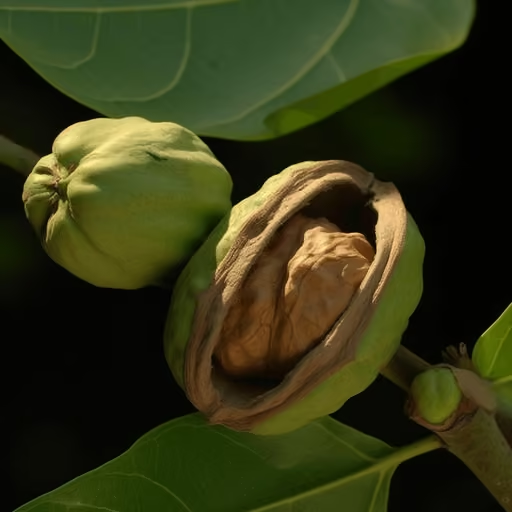
English walnut offers ellagitannins and a rare polyphenol density — fuel for the master switch of the kidney's protective antioxidant enzymes.
Glossy privet berries, black and bitter, keep the filtering membrane tight against protein loss while restraining the fibrous tissue that stiffens it.
Found in celery and parsley, luteolin raises antioxidant defense, mutes inflammatory NF-kB, and shields kidney cells against untimely self-destruction.
Mulberry fruit, rich in anthocyanins, strengthens the renal antioxidant guard and slows the collagen buildup that turns soft tissue to scar.
Ba ji tian, the Morinda root of Chinese kidney tradition, carries anthraquinones that stir renal cells to raise their own glutathione and detoxifying enzymes.
Found in olive leaf and clove, this triterpene quiets NF-kB in kidney tissue — the molecular switch that turns a small irritation into lasting inflammation.
White peony's monoterpene glycoside works on two fronts in the kidney: it cools inflammatory signaling and tempers the TGF-beta push toward scar tissue.
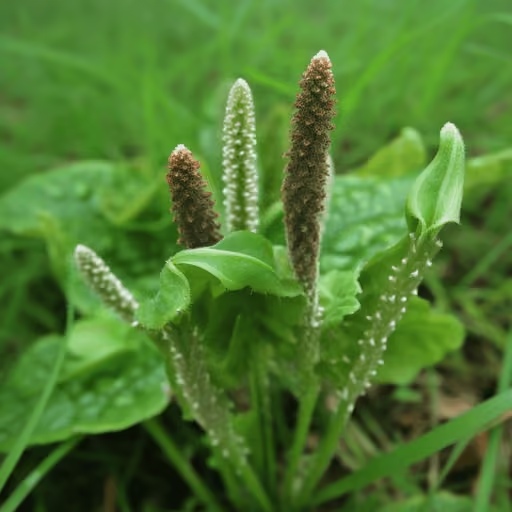
Kidney cells under strain tend to switch on their own shutdown program. Plantain herb, a classic of Chinese medicine, helps them stay alive and working.
Solomon's seal rhizome, a sweet tonic, carries polysaccharides that raise the kidney's antioxidant enzymes and slow scar-forming collagen deposits.
Poria, the pine-root fungus of the old diuretic formulas, lends triterpenes that help strained kidney cells resist premature programmed death.
Purslane, the succulent weed rich in omega fats, betalains and flavonoids, fortifies renal antioxidant defense and softens inflammatory signaling there.
Its quercetin-rich polyphenols switch on antioxidant genes and help kidney cells hold through stress.
Rehmannia root, steamed until black, eases three strains on the kidney at once — sugar-bonded proteins, inflamed signaling, and creeping scar tissue.
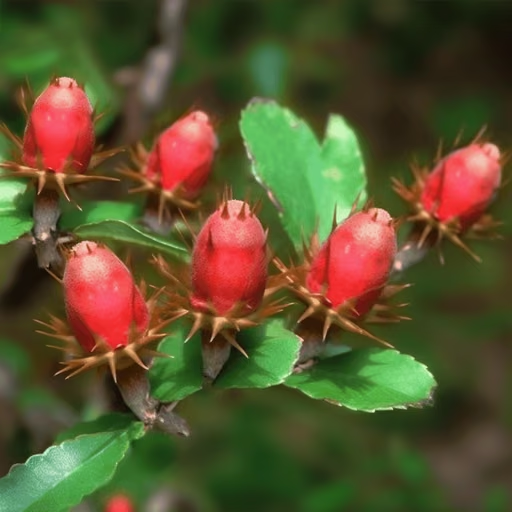
Cherokee rose hip, astringent and tannin-rich, is a kidney herb of long standing: antioxidant enzymes climb while NF-kB inflammation settles down.
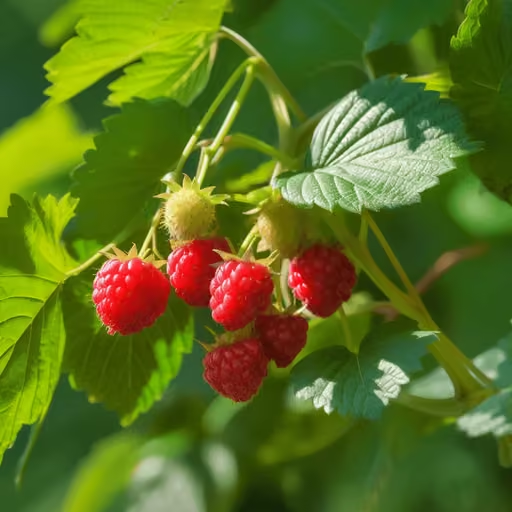
Red raspberry brings ellagic acid and anthocyanins that the kidney reads as a signal to build more of its protective detoxifying enzymes.
The flavonoid of buckwheat and capers, rutin strengthens the inborn antioxidant program in renal cells and slows the fibrous buildup of scarring.
Sesame's signature lignan does triple duty in renal tissue — antioxidant genes switched on, TGF-beta scarring held back, and kidney cells kept alive.
Black seed's volatile quinone, the essence of Nigella sativa, tempers the TGF-beta and collagen signaling that would otherwise stiffen kidney tissue.
Apple peel and rosemary wax hold ursolic acid, a triterpene that boosts antioxidant enzymes in the kidney and turns down its inflammatory NF-kB signal.
These grades describe the maturity of the published science for each ingredient — not a claim that the product treats, cures, or is clinically proven for any goal. These statements have not been evaluated by the Food and Drug Administration. This product is not intended to diagnose, treat, cure, or prevent any disease.