
A night runs in an order, and the trouble is usually the order, not the hours.
Sleep is not one switch but three systems agreeing: a pressure accumulating through waking (adenosine), a clock deciding when (circadian, melatonin), and a wake-promoting peptide that must fall (orexin). The descent into slow-wave sleep is carried by inhibitory transmission (GABA, glycine) — the same system whose failure surfaces as nocturnal cramp.
Sleep is the output of everything that had to settle first. Cortisol has to fall and quieted overexcitation has to hold; mood and motivation are both cause and consequence; a calmed histamine response is why some people cannot sleep in their own bedrooms. Inflammation, IL-6 and body-wide inflammation fragment it, the master antioxidant is restored during it, and insulin sensitivity, fasting insulin and cholesterol move with how much of it is had, as do the liver and vision. Sperm quality and recovery are built during it; opioid requirement and weight rise when it is lost.
Eight primary pathways of the twenty-six it targets. A pathway opens only on graded, published evidence, shown with its source at the ingredient level.
Educational only. Not evaluated by the FDA.
The story of Hypnotic Sleep (Slow-Wave Architecture)
Hypnotic Sleep — ‘The Descent’ — for a night that runs in the right order. A night of sleep is not a switch. It is a descent, in stages, and each stage has its own work to do. Get the order wrong and you can spend eight hours in bed and still wake unrepaired. The descent begins long before you lie down. All day, a pressure builds in the brain as a byproduct of being awake (adenosine, acting at its A1 receptor): the longer you are up, the heavier it grows. Caffeine does not remove that pressure. It sits in the receptor so the pressure cannot be read. The debt is still waiting when the coffee wears off. Then the clock has to agree (the circadian rhythm). As light fades, a hormone is released that tells every tissue what time it is (melatonin). It is not a sedative. It is a timestamp. When pressure and timestamp line up, the brain’s calming current can take over (GABA), and the signal that has been holding you awake finally lets go (orexin, the wake signal). What follows is the work itself (sleep). The deep, slow-wave stages come early in the night: the body’s repair shift, when tissue mends and the brain clears the waste of the day. The dreaming stages come late, toward morning. Waking two hours early costs far more than two hours. And somewhere in the dark, for many people, a calf or a foot seizes without warning (muscle cramps), and the descent has to begin again. There is a trap in all of this. Trying to sleep is itself a state of arousal. You cannot force the descent; forcing it is what prevents it. Hypnotic Sleep does not knock you out. It lines the night back up: the pressure read clearly, the clock told the time, the calming current strengthened and the wake signal eased, the muscles left at rest, so the descent can run in the right order, all the way down. Sleep is the output of everything that had to settle first. Cortisol has to fall and quieted overexcitation has to hold, while calmed inflammation, body-wide, and a calmed histamine response decide whether the body will let go at all. What the night returns is paid out the next day and the next year: mood and motivation, the master antioxidant restored while you are under, insulin sensitivity, fasting insulin, cholesterol and weight moving with how much of it is actually had. The liver works its own shift. Recovery and sperm quality are built in the dark, vision is repaired there, and opioid requirement rises in people who are not sleeping — one of the least discussed costs of a night that never runs in order. Sedation is not sleep. This is.
Deep-sleep specialist — circadian & GABA.
★ 5.0 · 200:1 · $99




The studies, ingredient by ingredient
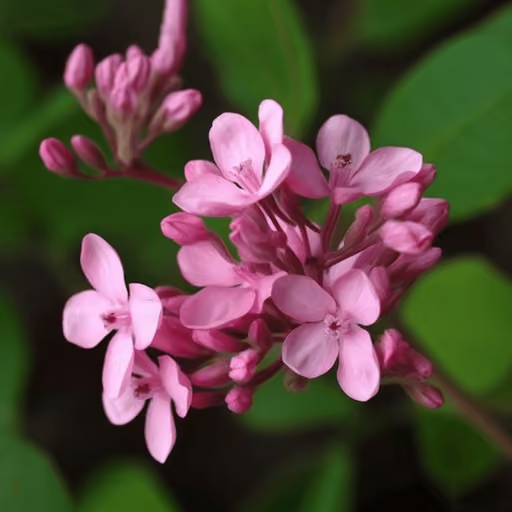
Luobuma, the dogbane leaf brewed as tea across northern China — it lowers the cortisol that keeps the mind awake, and sleep arrives deeper and longer.
Evening fatigue is often an empty tank rather than a tired mind. Cordyceps restores cellular ATP output, and the body carries more reserve into the day.
Reishi, the lacquered mushroom of the Chinese court, rebuilds the reserve behind daytime tiredness — mornings come with more left in the tank.
Across five randomized trials, L-carnitine cut the odds of muscle cramps by nearly four fifths.
The night's own hormone, reaching its receptors at the right hour — it resets the circadian clock, quiets orexin's wake drive, and sleep begins.
Safranal and crocin lift serotonin and mood, calm cortisol, sharpen memory and deepen sleep.
The brain's chief brake: engages GABA-A receptors, easing the nervous system from alert toward rest.
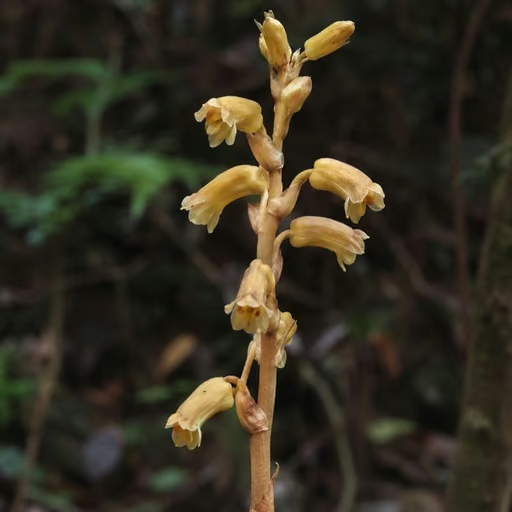
Gastrodin, the phenolic glucoside of the tian ma orchid, nourishes nerve cells with growth factors — thought stays clear and recall stays within reach.
A small amino acid that cools the body's core by widening skin vessels, and quiets nerve firing — both signals the brain reads as time to sleep.
Kiwifruit are a lesson in simple things: rich in serotonin and folate, they shorten the time it takes to fall asleep and hold it longer.
The amino acid that sets tea apart from coffee lifts GABA and alpha brain waves — the mind unclenches toward sleep without being drugged into it.
The essential amino acid the brain converts first to serotonin and then to melatonin — tryptophan stocks the raw material, and the night's sleep comes easier.
Among 175 adults aged forty-five and over completing a randomized, double-blind, placebo-controlled trial, weekly nocturnal leg cramp episodes fell from 5.4 to 1.9 on magnesium, against 6.4 to 3.7 on placebo.
Maypop's purple flowers hold chrysin and other flavonoids that engage the GABA-A receptor, turning the evening's restless chatter to stillness.
Yuan zhi, the thin root of Chinese scholars, raises growth factors that keep neurons connected, sharpening memory and the ease of learning.
Punicalagins from the ruby rind calm NF-kB, easing the low, smoldering inflammation that keeps the nervous system on edge after the lights go out.
A rare natural source of melatonin in fruit: the sour Montmorency cherry lifts nightly levels of it, and sleep grows longer and more restful.
Old European valerian root raises GABA and adenosine, the pressure that builds toward sleep, while muting orexin — the wake signal falls away.
Jujube seed, the classic Chinese remedy for a restless night: its jujubosides quiet orexin's wake signal, so sleep arrives sooner and holds till morning.
Tetrahydropalmatine, its chief alkaloid, acts on dopamine receptors that govern the wake drive — the poppy-family tuber turns arousal toward rest.
Works on the sleep-pressure signal that builds through the day.
Works on the sleep-pressure signal that builds through the day.
Gou teng, the hooked vine of Chinese medicine: its rhynchophylline raises serotonin tone and blocks excess glutamate, the brain's loudest excitatory signal.
These grades describe the maturity of the published science for each ingredient — not a claim that the product treats, cures, or is clinically proven for any goal. These statements have not been evaluated by the Food and Drug Administration. This product is not intended to diagnose, treat, cure, or prevent any disease.