
Fat does not leave the body as waste or as heat. Most of it leaves as breath.
Fat is not oxidized where it is stored but inside the mitochondrion, and entry requires an obligate shuttle (carnitine) held shut by a single metabolite (malonyl-CoA). The energy sensor that lowers that metabolite is therefore the gate (AMPK). Below it, oxidation yields the central two-carbon unit (acetyl-CoA), routed to energy or to ketone bodies (ketogenesis, BHB); a fasting hormone reports the state (FGF21). Storage runs the opposite way under its own switch and the phosphatase at its branch point (SREBP, lipogenesis, lipin-1); very-long-chain fats are shortened in peroxisomes before the mitochondrion will accept them, and the transcriptional arm of oxidation is nuclear (PPAR-α). The aggregate of these is what the phrase metabolic health abbreviates.
Burning fat well is a whole-system condition. Insulin sensitivity, fasting insulin and blood-sugar handling decide whether the body is permitted to reach for it at all; cleared liver fat and the liver decide whether the organ in charge is free to help; heat instead of storage is one of the places it goes. Blood flow, the gut barrier, cholesterol, worn-out cells cleared, inflammatory signaling, anxiety, recovery and weight are the terms standing around it.
Fourteen primary pathways of the twenty-nine it targets. A pathway opens only on graded, published evidence, shown with its source at the ingredient level.
Educational only. Not evaluated by the FDA.
The story of Holy Grail (Fat Leaves As Breath)
Holy Grail — ‘The Threshold’ — for the one door fat has to pass through. Here is something almost nobody is told. Fat is not melted, sweated out or flushed away. When your body truly burns fat, the carbon in it leaves you as carbon dioxide, breath by breath. You exhale your fat. Everything that matters about losing it happens at the doorway where it is turned from stored fuel into air. That doorway is a threshold inside the cell. Fat can only be burned inside the mitochondria, and it cannot simply walk in. It has to be carried across the membrane by a dedicated shuttle (the carnitine shuttle, the door into the mitochondrion). Once inside, it is cut down, two carbons at a time, in a furnace of its own (fatty-acid β-oxidation). A second, smaller furnace in the cell takes the fats too long for the first (the peroxisome). The threshold has a guard. When the cell is building fat, it makes a molecule that bolts the shuttle door shut (malonyl-CoA, the oxidation brake), so it never burns what it is busy storing. The builder and the brake come from the same place: a hub molecule that sits at the center of fuel metabolism and can be sent either way (acetyl-CoA). One path leads to the fat factory (fatty-acid synthesis), under the command of a master switch that turns fat-building genes on (SREBP-1c). The other leads through the threshold and out as breath. Which way it goes is decided by the fuel gauge (AMPK). When the gauge reads low, it lifts the brake, slows the factory and opens the door. A second switch, in the nucleus, commands the whole burning program at once (PPARα, the fat-burning switch), and a hormone of fasting carries the order between organs (FGF21). When the burning runs strong, the liver turns surplus fat into a clean fuel of its own (ketogenesis), the fasting fuel the brain and heart use gladly (β-hydroxybutyrate). That is the whole of it, and it is why so many efforts fail: the fat is released, and then turned back at the threshold because the brake was never lifted. The result shows up in every marker of how well the body handles fuel (metabolic health). Holy Grail is built for the threshold. It turns the fuel gauge toward burning, lifts the brake on the door, slows the factory and its master switch, and strengthens the shuttle, the furnaces and the switch that commands them, so that fat, once it moves, keeps moving, all the way out. The door only opens if the rest of the plant is running. Energy sensing is the hand on that gate, and when fat is burned faster than it is immediately needed the overflow leaves as ketone production rather than backing up. Very-long-chain fats are shortened in the peroxisomes before the mitochondrion will accept them at all, and a lipid phosphatase at the branch point decides whether a molecule is sent toward storage or toward the door. Around it, insulin sensitivity and blood-sugar support decide whether the body is permitted to reach for fat at all, and heat instead of storage is one of the places it goes. Cholesterol, the gut barrier and cleared worn-out cells keep the route honest; blood flow carries what is freed; and inflammatory signaling is the tax on the whole operation. Recovery, anxiety and weight are what a body reads at the end of it. The grail was never a secret ingredient. It was the door, held open.
The metabolic master-blend — sixteen pathways of fat metabolism, from the master fuel switch down to the fat actually burned.
★ 5.0 · 200:1 · $99











The studies, ingredient by ingredient
In 84 adults, pure DNJ and matched mulberry extract cut the two-hour glucose rise after rice identically.
Across 108 trials and 7,137 people, lowered total cholesterol, LDL and triglycerides and raised HDL.
Huang Lian's golden alkaloid flips the master fuel switch, opens the gate that lets fat into the furnace, and restores insulin's reach even while fasting.
A 14-trial meta-analysis: total cholesterol, LDL and triglycerides all lower, replicated in double-blind trials.
Three pooled analyses: resting energy use up about 34 calories a day, with fuel shifted toward fat.
Across eight randomized trials, raised energy expenditure and shifted fuel use toward fat.
Reduced visceral, subcutaneous and total belly fat in 76 people over 12 weeks, counted on a scan that sees inside the belly.
The carrier that ferries fatty acids into the mitochondria to be spent: carnitine also speeds muscle repair and sharpens insulin, fasting included.
Pooled across randomized trials, the body’s ketone fuel rose against placebo with no scatter between the trials at all.
Milk thistle, the liver's old guardian: silymarin shields liver cells, steadies their membranes and draws stored fat back out of the liver itself.
In a randomized, placebo-controlled trial in 38 healthy men, eight weeks of omega-3 fatty acids cut the new fat the liver made by 30% and lowered liver fat by 19%.
21 volunteers, ginger against plain water, heat output tracked for four hours: about 95 more calories burned a day, and the burn that follows a meal rose with it.
Akkermansia muciniphila raises insulin sensitivity and lowers circulating cholesterol.
The clear inner gel of the aloe leaf, freed of its bitter latex, carries phytosterols that ease blood sugar and bring blood lipids into better order.
Lowered the glucose curve after a meal by 67.26% in 40 people, measured across the whole two hours.
The artichoke leaf of Mediterranean kitchens: its cynarin and luteolin stir bile flow, protect liver cells and bring blood lipids down in step.
Astaxanthin lowers creatine kinase after hard exercise — the enzyme muscle leaks when it has been torn.
Sugar beet gives up betaine, a methyl donor that feeds the chemistry by which the body handles fat, nudging the balance toward a leaner frame over time.
Wild cabbage, ancestor of broccoli and kale: its glucosinolates rouse the liver's detoxifying enzymes and steady the body's handling of sugar.
The alkaloid of coffee and tea: caffeine lifts the sympathetic drive, prompting the body to burn more fuel as heat through the hours after a cup.
Raised energy expenditure through brown fat, in men whose heat-burning fat was first located by scan in the cold.
Sumac, the tart red berry of Levantine spice markets, brings tannins and anthocyanins that slow sugar's absorption and steady how the body uses it.
Taken from unroasted coffee beans, chlorogenic acid wakes the body's central energy sensor and slows glucose entry, lightening the fat the frame carries.
12 weeks of phosphatidylcholine, and the ultrasound reading of hepatic fat fell from 332 to 304.
Lowers blood lipids across twenty-one meta-analyses and 139 placebo-controlled comparisons of cinnamon alone.
Tested for 84 days in 70 adults not against a sugar pill but against synthetic glutathione — and it beat it.
Cacao, the food of the gods: its flavanols reach the colon intact, where they feed Bifidobacteria and Lactobacilli and enrich the gut terrain.
Coenzyme A / Pantethine lowers LDL cholesterol, and supplies what the body builds coenzyme A from.
Lowered fatty liver in 60 patients over six months, double-blind, with heart and vessel function measured alongside.
Dong Chong Xia Cao, the Himalayan caterpillar fungus: cordycepin supports cellular energy so torn muscle fiber knits back after strenuous work.
In two weeks, corosolic acid lowered the glucose curve after a sugar load, and the insulin needed to answer it, each man measured against his own placebo phase.
Three meta-analyses and a 12-month trial in 227 patients stand behind the liver claim; four more, including one of 14 trials in 349 subjects, behind the recovery one.
Qing Qian Liu, the sweet tea tree of China: its leaf steadies blood sugar, lowers blood lipids and cultivates a healthier gut terrain in one cup.
A meta-analysis of eighteen trials sorted anthocyanins by backbone: the delphinidin ones moved the panel, cyanidin and malvidin moved nothing.
Dihydromyricetin lowers liver fat, liver enzymes and blood lipids, and raises insulin sensitivity.
DHA lowers fat synthesis in the liver and raises the burning of dietary fat — in the same men, at the same time.
A brown kelp of Korea's Jeju coast: Ecklonia's phlorotannins slow sugar's release, lower blood lipids and ease the fat the body carries.
Rice bran and whole grains hold ferulic acid, a phenolic that nudges AMPK, the cell's fuel gauge, toward burning and brings blood lipids into leaner balance.
A four-arm factorial separated supplement from exercise, and the fisetin-only arm lost weight without the training.
Folate, the leafy-green vitamin that keeps homocysteine in check, helps the pancreas ease off - so fasting insulin settles lower between meals.
Lowered visceral fat, body weight, BMI and LDL in 84 overweight adults over eight weeks, replicated in three placebo-controlled trials in two countries.
Glutathione, the cell's own master antioxidant, quenches the oxidative static that muffles insulin, so muscle and liver hear the signal clearly.
Lowers blood lipids across seventeen trials, some against prescription drugs, with a trial sequential analysis confirming enough people were studied.
Sea buckthorn, the amber berry of Himalayan slopes, carries rare omega-seven oils and flavonols that keep blood lipids in their better balance.
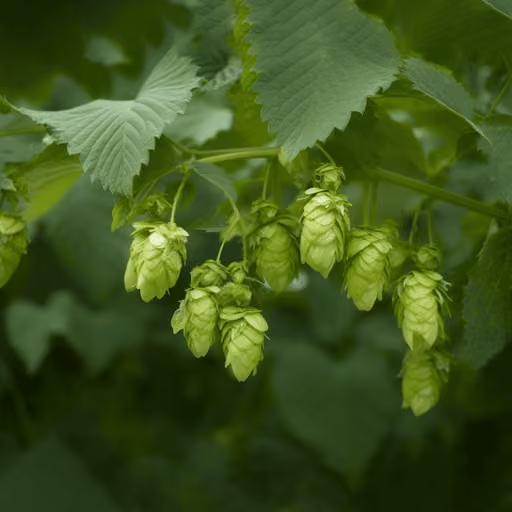
Hops, the bitter cone of the brewer's garden, lends tannins and bitter acids that quiet fat storage and help the frame carry less of it over time.
Raises blood ketones without requiring the fast that normally produces them. 30 healthy older adults, mean age 76.5, with the randomization prepared by an outside statistician and balanced for sex — the trial could not quietly stack its own groups.
In 51 adults over 8 weeks, double-blind, fat mass fell 2 kg on a body scanner.
Over 12 weeks in 97 people, mangiferin raised the body's ketone fuel and lowered triglycerides, free fatty acids and insulin resistance.
Lemon balm, the monastery herb of Carmelite water, carries rosmarinic acid that helps the liver keep cholesterol and triglycerides in order.
Lowers fasting and post-meal glucose. Eight trials, 423 adults, pooled from a search run Without language restriction — and pooled under a method deliberately chosen to widen the margin of error rather than narrow it. The authors made their own result harder to claim.
Kalonji seeds, prized from Cairo to Delhi, carry thymoquinone, which tidies the lipids moving through the blood and gives sugar a steadier path after each meal.
Pooled across randomized trials — and European regulators allow a health claim on the same chemistry, which is a bar most botanicals never clear.
Lowers liver enzymes, blood lipids and glucose, backed by six meta-analyses, one devoted to purslane in fatty liver disease.
Kudzu flower, quantified to seven isoflavones: body fat fell across 12 weeks of treatment.
Lowered liver fat and liver enzymes in 41 people with fatty liver, each serving as their own control in a crossover trial.
Seven databases, 27 studies, three polyphenols judged head-to-head under one set of criteria — resveratrol placed second, behind curcumin.
Lowered insulin resistance and raised adiponectin, the hormone healthy fat sends out, in 67 people with metabolic syndrome over 12 weeks.
Salacia chinensis extract lowers the glucose rise after a meal, and does it in proportion to how much is given.
Sesamin, the lignan of the sesame seed, restrains the liver's cholesterol making and speeds its burning of fatty acids, easing blood lipids.
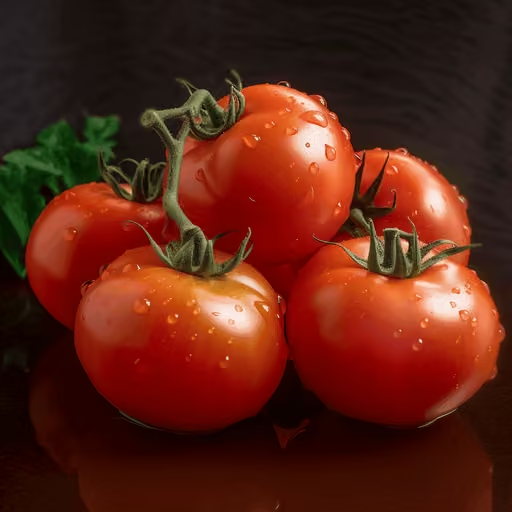
Pooled from 1,189 screened publications, tomato trials lowered LDL cholesterol, with oxidized LDL and vessel function read alongside.
Lowers the ratio of visceral to subcutaneous fat. 12 weeks, CONSORT-compliant, with randomization generated by a third party and research staff kept out of labeling.
Lowers serum ALT. 35 against 35 over 24 weeks, registered before enrollment, and corroborated separately on ALT and gamma-GTP.
Urolithin A, made when the gut transforms pomegranate ellagitannins, renews worn mitochondria so muscle burns fat as its steady, primary fuel.
Cholecalciferol, the sunlight vitamin, supports the insulin-making cells and their target tissues, so insulin works harder and rests lower at dawn.
White kidney bean lowers body weight, fat mass, BMI and waist, and does it in proportion to how much is given.
A sulfur-bearing antioxidant the body makes itself: lipoic acid improves insulin's reach, lowers fasting insulin, trims blood lipids and body fat.
Artemisia iwayomogi lowers liver triglyceride by 66%, cholesterol by 51% and free fatty acids by 75%.
Baicalin, the golden flavone of Huang Qin root, turns down the liver's new-fat assembly and restores a calmer, better-balanced gut terrain.
Bai Wei, the dark swallow-wort root of the Chinese materia medica, slows the liver's making of new fat and helps it shed the fat already stored.
In mouse liver, icariin turned up the genes for Acox1, Ech1 and Ehhadh, three enzymes of the peroxisome's fat-burning pathway, acting as a PPAR-alpha activator.
Smilax china extract raised acyl-CoA oxidase, the peroxisome's first fat-burning enzyme, and reduced abdominal fat in mice on a high-fat diet.
These grades describe the maturity of the published science for each ingredient — not a claim that the product treats, cures, or is clinically proven for any goal. These statements have not been evaluated by the Food and Drug Administration. This product is not intended to diagnose, treat, cure, or prevent any disease.