
Breathing is obstructed in three places that are routinely mistaken for one another.
The limit may sit in the airway itself, in the allergic response that narrows it, or in the upper passages, where breathing feels obstructed while the lungs beneath are sound. The three produce one complaint and answer to different things, so a formula aimed only at the chest resolves one presentation in three. All three are addressed here, and airflow is what the result is measured in.
Breathing well is not one capacity. The histamine load and allergic signaling that narrow an airway are met directly, with a calmed histamine response where that is the limiting factor; inflammation and body-wide inflammation keep a passage swollen between episodes, and COPD flare-ups are where that accumulates. Mitochondrial energy and muscle decide what the chest does with the air it gets, with antioxidant defense, micronutrient status, resistance to infection, blood-sugar handling, cholesterol, the liver and the kidney underneath.
Three primary pathways of the twenty-two it targets. A pathway opens only on graded, published evidence, shown with its source at the ingredient level.
Educational only. Not evaluated by the FDA.
The story of Lung Power (Respiratory Capacity)
Lung Power — ‘The Updraft’ — for a breath you should never have to think about. There is a current moving inside your chest right now, and it has never once stopped. Every airway is lined with a carpet of microscopic oars, beating in waves many times a second, carrying a thin sheet of mucus upward and out, and with it the dust, smoke and microbes you breathed in. It is the most patient machine you own, and it rows against a load it never chose. A cough is a blunt instrument. It reaches only the wide corridors near the top. The fine passages deep in the lung are cleared by the oars alone, and the oars are the first thing that swelling stills. So the harder you push, the further you are from the place that has actually gone quiet. When the airways are calm, air moves in and out freely and fully (lung function). When they turn irritable, they overreact to whatever they meet: pollen, cold air, perfume, exertion. The walls tighten, the lining swells, the mucus thickens, and every breath has to fight its way through (airway reactivity). Upstream, the same story plays out in the sinuses, where swollen, blocked passages trap what they should drain and turn a cold into a season (chronic rhinosinusitis). Lung Power works from inside that system. It calms the overreacting airway, eases the swelling that stills the oars and thickens the sheet, and helps the sinus passages open and drain, so the whole escalator can move again at its own patient pace. Breathing well is not one capacity. Allergic signaling and the histamine load that narrow an airway are met directly; calmed inflammation keeps a passage from staying swollen between episodes, and COPD flare-ups are where that accumulation finally announces itself. Mitochondrial energy and muscle decide what the chest does with the air it gets. Antioxidant defense and micronutrient status are the supply underneath, with the liver, the kidney, blood-sugar support, fasting insulin, cholesterol and orderly clotting behind them. Resistance to infection matters most in a tissue that meets the outside world with every breath, and sperm quality with the reproductive axis read oxygen delivery the way every tissue does — quietly, and last. Breathing was never meant to be a conscious act. Lung Power lets it be effortless again.
Lung power — airflow, clear breathing, blocked nose and allergy resilience.
★ 5.0 · 200:1 · $99

















The studies, ingredient by ingredient
Replenishes the glutathione the airway spends defending itself and loosens mucus, so breath moves freely.
The fungus that grew on Himalayan caterpillars at altitude, where air is thin — it helps the lungs pull in oxygen and push breath out with less labor.
A long record in bronchitis: it eases the chest and restarts the cilia that clear the sinuses.
Black seed's thymoquinone relaxes bronchial muscle and restrains the histamine surge, keeping the airway open when an irritant drifts in.
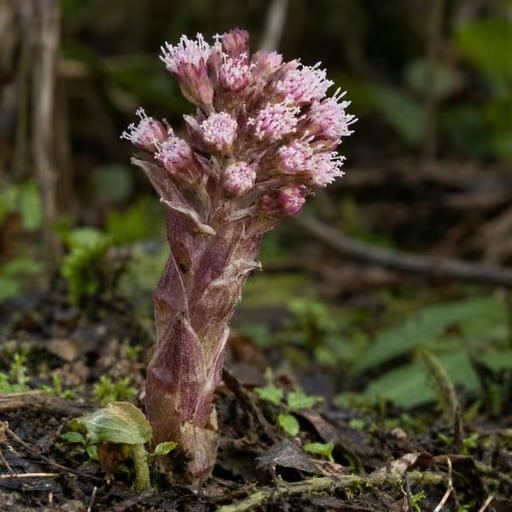
Petasin in butterbur leaf blocks leukotrienes, the chemical that swells nasal and bronchial linings in pollen season — without the liver's burden.
Thyme's thymol and primrose root's saponins, paired, thin chest mucus and still spasmodic coughing — a combination built to free the airway.
The vitamin the skin makes from sunlight and rarely enough of indoors: it schools the immune cells along the bronchi to stop reading pollen as an emergency.
Perilla seed carries rosmarinic acid and alpha-linolenic acid, two quiet brakes on the mast cell — the airway meets its trigger without clenching.
Huang Qi, the tonic given through northern winters: it firms the lining that meets the air and quiets the reflex that shuts it at the first provocation.
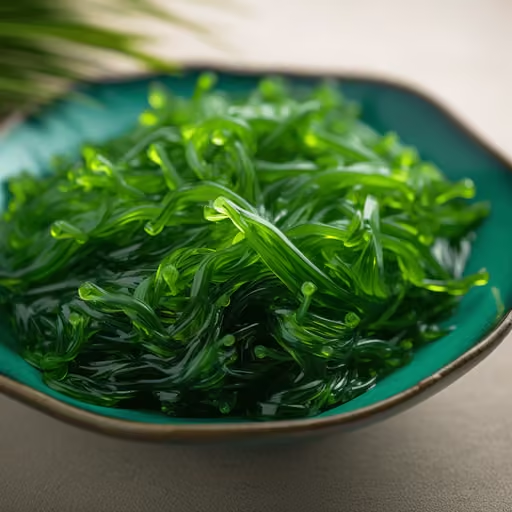
Spirulina blue-green alga holds phycocyanin, which stills the histamine release behind a streaming nose and tightening chest when pollen arrives.
From broccoli sprouts, sulforaphane switches on the lung's detox genes — the airway widens for easier breathing and flinches less at each trigger.
Ubiquinone powers the mitochondria of the breathing muscles and defends lung tissue from oxidative wear, so exertion leaves one less winded.
Vitamin C shields the airway from the narrowing that cold, dry air and hard breathing set off during a workout.
Ivy leaf saponins loosen tenacious mucus and relax the bronchial wall, easing a productive cough so breathing grows clear and unlabored.
In 202 people with long-lost smell, 89.2% improved with scent training plus this pair, against 36.8% on placebo.
Children with acute sinusitis - 116 of them, followed at nineteen German centers - were back to normal in 6.66 days on the pineapple enzyme alone and 7.95 days on standard care.
In human mast cells grown in the lab, quercetin cut allergy-triggered histamine release by 82%.
Jie Geng, the balloon flower of Korean tables: its saponins thin what the chest is holding, so a cough that went nowhere begins to clear the passage.
Glycyrrhizin in this northern licorice coats a raw throat and eases the bronchi, letting the tickle settle and air move without catching.
Stemona's alkaloids quiet the cough reflex at its nerve, a remedy Chinese physicians have kept for the dry, relentless kind — breath returns unbroken.
Chuan Bei Mu, a bulb from Sichuan slopes kept for the dry, stubborn cough: its alkaloids soften bronchial muscle and let thick mucus travel again.
Schisandra's lignans dampen the inflammatory chemistry that constricts the air pipe, so exposure to a known trigger meets a calmer bronchial wall.
The last survivor of its order: ginkgolides intercept platelet-activating factor, the signal that tells bronchial muscle to clamp at the first irritant.
Lian Qiao, the fruit paired with honeysuckle since the Song: forsythiaside cools an inflamed airway lining and widens the road the breath takes.
A lignan from burdock seed, arctigenin mutes the inflammatory switch in lung tissue, easing the thickened wall that narrows every breath.
Sang bai pi, the inner bark of the white mulberry root, clears heat from the chest in classical terms — in modern ones, it lets the bronchi relax.
Coumarins in this hogfennel root relax tight bronchial muscle and settle inflamed tissue; inhaling stops feeling like work against a closed valve.
The tiger lily bulb moistens a dry, hot chest in Chinese practice, and its polysaccharides calm lung tissue so breath comes cool and complete.
Red sage root, danshen, protects lung tissue from the scarring stiffness inflammation leaves behind — the chest stays supple, and breath stays deep.
Rhubarb root's emodin cools the inflammatory fire in lung tissue and guards its delicate air sacs, so oxygen crosses into the blood more readily.
White peony root carries paeoniflorin, a glycoside that softens airway inflammation and the stiffness that follows; the lungs draw in air freely.
Apricot kernel is the classic chest seed of Chinese formulas: amygdalin in small measure calms cough and opens breathing when the lungs feel tight.
Ophiopogon tuber restores moisture to a parched, scratchy airway — the dry cough loosens its hold and the lungs fill without that rasping edge.
The purified saponin of balloon flower, platycodin D quiets the lung's inflammatory signaling and thins stubborn mucus; the airway reopens.
The yellow chalcone of licorice root raises the antioxidant guard of the airway lining, so oxidative wear on the small passages eases and air travels freely.
Goldenthread's yellow alkaloid reaches past blood sugar into the chest, cooling lung inflammation and protecting the air sacs where oxygen crosses.
Asian ginseng's ginsenosides guard the lung against oxidative wear and inflammatory strain, helping the chest hold its capacity as the years add up.
A single purified ginsenoside shields the airway lining from inflammatory injury and oxidative stress, preserving how deeply and easily one breathes.
Salvianolic acid B, the water-soluble jewel of danshen, keeps lung tissue from thickening under long inflammation, so airflow stays wide and strong.
The pomelo peel of Chinese pharmacy yields naringin, which thins phlegm and calms irritated bronchi — a clearer chest and a fuller, quieter breath.
Aged tangerine peel, chen pi, lends hesperetin to dry excess damp from the lungs and soothe inflamed airways so each inhalation goes further.
Pinellia tuber, carefully processed, is the old master of phlegm: it dissolves the thick congestion lodged in the chest and lets air travel through.
Poria, the fungus that grows around pine roots, drains dampness that settles as phlegm and calms inflamed airway tissue; the lungs work lighter.
Dong quai is known as a woman's root, yet its ferulic acid and ligustilide ease lung inflammation too, relaxing the airway so breath comes smoothly.
Dendrobium's stem polysaccharides nourish the moist lining of the lungs, restoring its defense against oxidative strain; breathing grows easier.
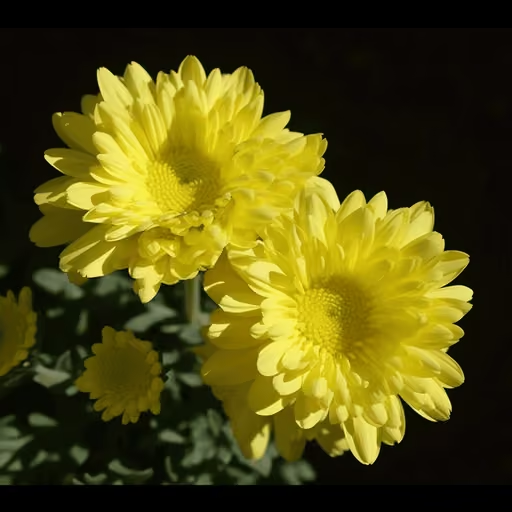
Chrysanthemum flowers, steeped for centuries as a cooling tea, carry luteolin and apigenin that settle inflamed airways and open breath's passage.
Baicalin from Chinese skullcap root blunts the mast-cell flare that tightens the bronchi; faced with dust or pollen, the air pipe holds its width.
Magnolia bark's honokiol and magnolol relax bronchial smooth muscle, loosening the grip a cold draft or allergen takes on the air pipe.
Found in coffee and honeysuckle, chlorogenic acid quenches oxidative stress in lung tissue and quiets its inflammatory chatter, freeing airflow.
The cocoa and green-tea flavanol epicatechin strengthens the lung's small vessels and mitochondria, lifting how much air the chest can move.
Oleanolic acid, a triterpene in olive leaf and many medicinal herbs, turns up antioxidant defense in the lungs and settles the airway lining.
Cat's claw vine from the Amazon quiets the inflammatory signaling that throws airway muscle into spasm — the trigger arrives and the passage stays open.
These grades describe the maturity of the published science for each ingredient — not a claim that the product treats, cures, or is clinically proven for any goal. These statements have not been evaluated by the Food and Drug Administration. This product is not intended to diagnose, treat, cure, or prevent any disease.