
Training is the stimulus; tissue is the answer, and the answer is built afterward.
Hypertrophy is synthesis over breakdown, and synthesis is switched by a single nutrient-and-load sensor (mTOR) answering to mechanical work. Output within the session depends on the rapid phosphate buffer (creatine), with growth hormone as the endocrine contribution. Recovery is not the interval between sessions; it is the second half of one.
Growth is permitted rather than forced. Cortisol is the catabolic signal that must come down before synthesis can stand, testosterone is the permission, and training load is only useful to the extent both are available. Physical performance is the output; mitochondrial energy and built mitochondria are the capacity beneath it; and inflammation, body-wide inflammation and ER stress decide how much of a session has to be repaired before any of it is gained. Muscle is what remains when that arithmetic runs positive.
Seven primary pathways of the nineteen it targets. A pathway opens only on graded, published evidence, shown with its source at the ingredient level.
Educational only. Not evaluated by the FDA.
The story of Gainz (Muscle Protein Synthesis)
Gainz — ‘The Rebuild’ — for the work you put in, turned into the body you came for. Training does not build muscle. Training tears it. The building happens afterwards, in the hours and nights when the body repairs the damage and, if it has what it needs, lays down a little more than was there before. Every gain you have ever made was made in recovery, not in the gym. The signal to build comes from the work itself (exercise, the adaptive load). Loading a muscle beyond what it is used to is a message the body takes seriously: it reads the strain as proof that it needs to be stronger next time. That message is received by the architect of growth, a sensor inside every muscle cell that decides whether to build or to hold (mTOR). It listens above all for the signal from training, and when that signal arrives the architect switches the production lines on. Then the night shift. The largest pulse of the body’s growth-and-repair hormone arrives in deep sleep (growth hormone, the night pulse), and it is the reason a hard week of training with poor sleep builds so little. The repair that follows closes the loop (muscle recovery): soreness fades, the fibers knit back thicker, and the next session starts from a higher floor. What accumulates, week over week, is the thing you came for (skeletal muscle mass): more contractile tissue, more strength, and the stamina that a stronger engine carries with it. Gainz is built around that whole cycle. The architect hears every session louder. Recovery arrives faster and more completely. And the night pulse gets the backing it needs to do its best work while you sleep. Growth is permitted rather than forced. The rapid energy buffer decides output inside the session itself, and physical performance is the honest readout of the whole arrangement. Lowered cortisol is the catabolic signal that must come down before synthesis can stand, and testosterone is the permission. Mitochondrial energy is the capacity beneath the lift. Calmed inflammation, body-wide and in its inflammatory signaling, together with eased ER stress, decides how much of a session has to be repaired before any of it is gained. Cholesterol and lowered anxiety sit behind them — because a body that cannot settle after training never finishes the job it started. You provide the load. Gainz makes sure the rebuild keeps its side of the bargain.
Builds lean muscle & strength, speeds recovery, and lifts endurance.
★ 5.0 · 200:1 · $99







The studies, ingredient by ingredient
Lowers cortisol, raises thyroid hormone in subclinical hypothyroidism, and raises testosterone while cutting body fat.
A green microalga reddens under stress to make it, and salmon wear it; astaxanthin sits in the mitochondrial membrane, shielding the energy chain.
Its nitrate becomes nitric oxide, widening the vessels that feed working muscle; each effort costs less oxygen.
Builds carnosine, the buffer that soaks up muscle acid, so the final minutes of effort stay yours.
Tops up the phosphocreatine reserve muscle draws on for its first explosive seconds, so every set carries more weight and the added work lays down new fiber.
Pooled across randomized trials, curcumin eased muscle soreness after hard exercise and sped functional recovery.
Fenugreek's saponins guard the testosterone the testes release, slowing its conversion elsewhere — more of the hormone stays free in the blood to do its work.
Dark Montmorency anthocyanins cool the soreness that follows a hard session, and muscle fiber regains its full pulling strength before the next one arrives.
Dark Montmorency anthocyanins cool the soreness that follows a hard session, and muscle fiber regains its full pulling strength before the next one arrives.
Quercetin lowered systolic pressure 3.04 mmHg in the Journal of the American Heart Association pooled analysis; an independent 2024 analysis of 20 randomized trials found it reduced systolic pressure too.
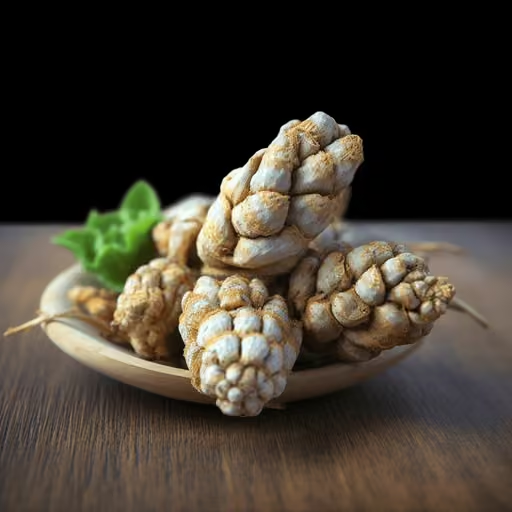
A black resin pressed from Himalayan rock, rich in fulvic acid and minerals — it lifts the testosterone the testes produce, both the total and the free share.
Eurycoma root, Malaysia's bitter jungle tonic. Its quassinoids loosen the protein that binds testosterone, freeing more of the hormone into circulation.
A ready form of choline, the raw material of acetylcholine — the nerve's command to contract lands crisp, and power holds through high-intensity sets.
Works on overnight muscle recovery.
First drawn from beet sugar, betaine keeps muscle cells well hydrated under load and feeds creatine production, adding pulling strength and lean mass alike.
A trace mineral with an outsized reach: boron eases the binding protein's hold on testosterone and slows its turn into estrogen, so free hormone rises.
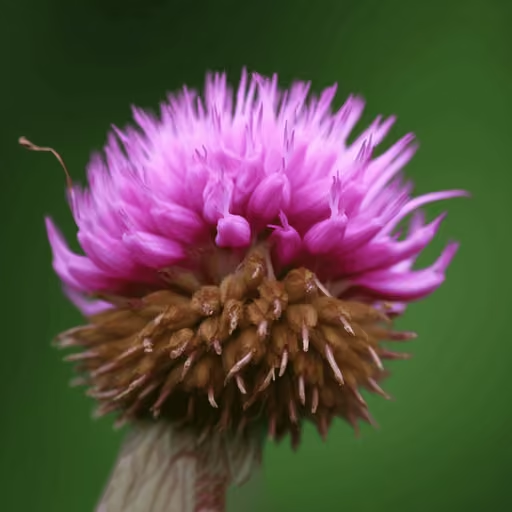
The desert hyacinth of Chinese herbal tradition, its phenylethanoid glycosides protect muscle from wasting and help it grow thicker and stronger.
Two molecules in one: citrulline feeds nitric oxide to widen the vessels, while malate stokes the energy cycle — breath and legs outlast the interval.
The first milk a mother makes, dense with growth factors and immune proteins. Taken with training, it adds lean tissue and the strength to move it.
Cordycepin and adenosine lift the oxygen muscle can use at its peak, so the lungs and legs find more room before the ceiling of effort is reached.
The cell's fastest energy buffer, with a deep human record.
Spinach and quinoa carry this plant steroid in trace amounts. Concentrated, it signals muscle to add protein without touching the body's hormones.
Ancient peat and apple polyphenols raise the cell's own ATP output, and trained muscle answers with more strength and more mass.
From the root of Coleus forskohlii: forskolin raises cyclic AMP, the internal messenger that tells testicular cells to make more testosterone.
Taken from fertile egg yolk, it quiets myostatin, the brake that caps muscle growth, so the machinery of protein building runs unimpeded.
The breakdown product of leucine, HMB slows the loss of muscle protein that follows heavy training and age alike, leaving more fiber standing.
Carnitine shuttles fat into the mitochondria to burn. Bound to tartrate, it limits the microscopic tearing of hard work, and strength returns sooner.
Milk protein cut into small peptides that reach the blood quickly, delivering leucine-rich building blocks that muscle turns into mass and pulling force.
The velvet bean's seed is a natural source of L-dopa, the dopamine precursor that signals the pituitary to raise testosterone production.
ATP given by mouth widens blood flow to working muscle and sharpens its contraction, so training yields thicker fiber and more strength over time.
A lipid messenger that switches on mTOR, the muscle cell's growth command — protein synthesis climbs, and heavier lifting builds larger, stronger fiber.
A phospholipid native to nerve membranes that blunts the cortisol surge heavy training provokes, so the stress axis stands down and recovery can begin.
PQQ prompts cells to build new mitochondria, the furnaces that turn food into usable energy, so muscle has more power plants to draw on under load.
Rosavins and salidroside soften cortisol's alarm and the adrenaline tone, lift serotonin resilience and raise BDNF so the brain adapts and repairs.
Chlorophytum root from Indian Ayurveda, prized as a restorative — its saponins raise circulating testosterone and the drive and vigor it carries.
Notoginseng root and Rosa roxburghii fruit together: Senactiv clears aged, worn cells from muscle, cools the swelling they provoke and restores energy output.
Abundant in muscle and heart, taurine steadies calcium handling in each contraction and guards against oxidative wear, so endurance lasts longer.
Gut bacteria make it from pomegranate ellagitannins. Urolithin A clears out worn mitochondria and prompts fresh ones to replace them — mitophagy renewed.
Chamomile's quiet flavone, apigenin preserves NAD+, the coenzyme mitochondria need to burn fuel, by slowing the enzyme that drains it away.
Calms NF-κB, the switch behind swelling, so hard training leaves less inflammation in the muscle.
From the Japanese raisin tree: dihydromyricetin sharpens mitochondrial output and speeds the clearing of alcohol's byproducts through the liver.
Green tea's leading catechin restrains myostatin, the protein that limits how much muscle can grow, and fiber gains size and strength as a result.
Tips the balance toward follistatin over myostatin, amplifying the signal to build muscle.
Olive fruit's richest polyphenol, hydroxytyrosol spurs the birth of new mitochondria and protects their membranes — more energy made, less wasted.
Works on overnight muscle recovery.
Drawn from magnolia bark, magnolol dampens the NF-kB signal that sets tissue swelling after strain — calmer tissue, quicker return to training.
Fingerroot, a Thai culinary ginger, supplies panduratin A: it activates the mTOR pathway, and muscle cells synthesize protein at a higher rate.
Maral root from the Siberian steppe supplies ecdysteroids, plant compounds that nudge muscle to make more protein — fiber thickens, strength follows.
Named for semen, found in wheat germ and aged cheese: spermidine renews muscle cells through autophagy, preserving strength and fiber as years pass.
Broccoli sprouts release it when chewed. Sulforaphane turns down NF-kB, dimming the inflammatory signal that lingers in hard-worked tissue.
Green tomato skins hold it: tomatidine shifts the gene signature of aging muscle back toward its younger pattern and restores strength.
The ecdysteroid of Ajuga turkestanica, a mountain herb of Central Asia, turkesterone signals muscle to lay down protein and grow in size and strength.
The sibling urolithin, B blocks the breakdown of muscle protein while encouraging its synthesis, tilting the balance toward thicker, stronger fiber.
The waxy coat of apple peel: ursolic acid boosts the insulin-like growth signal to muscle, powering mTOR and the synthesis of new protein.
These grades describe the maturity of the published science for each ingredient — not a claim that the product treats, cures, or is clinically proven for any goal. These statements have not been evaluated by the Food and Drug Administration. This product is not intended to diagnose, treat, cure, or prevent any disease.