
One muscle has never taken a day off, and it is only as good as the vessels it works against.
Cardiac output is a calcium problem at cellular scale: contraction and relaxation are set by how precisely calcium is released and retrieved, with taurine supporting that regulation. Afterload is vascular — endothelial nitric oxide (eNOS) against arterial plaque — and the cholesterol supplying it is built by a single synthetic route (mevalonate). Sustained load remodels the chamber itself.
A heart is read through the conditions it works under. Blood pressure sets the load it lifts on every beat; triglycerides, insulin sensitivity and blood-sugar handling decide what the vessel wall is bathed in; clot breakdown keeps the lumen open, and inflammation is what turns a stable plaque unstable. Thyroid sets the rate, fat burning supplies the fuel a working muscle prefers, resistance to infection protects the valve surfaces, and weight is the load that never comes off.
Nine primary pathways of the twenty-nine it targets. A pathway opens only on graded, published evidence, shown with its source at the ingredient level.
Educational only. Not evaluated by the FDA.
The story of EKG Cardioprotective (Contractile Reserve)
EKG Cardioprotective — ‘The Lionheart’ — for the muscle that has never once taken a day off. Your heart started beating before you had a name, and it has not paused since. Today it will contract about a hundred thousand times, and it will ask you for nothing. That is exactly why it is so easy to neglect. The bravest organ you own is also the one that complains last. Each beat is an act of force (contractility). It begins with calcium flooding into the muscle cell and ends with calcium being pumped back out, a tide that rises and falls every second of your life (calcium handling). When that tide is handled cleanly, the beat is strong and the rest between beats is complete. When it is handled poorly, the beat weakens and the muscle never fully relaxes. Every beat pushes blood into vessels lined with a single layer of living cells, and those cells are not passive pipework. They release a gas that tells the vessel wall to soften and widen (endothelial nitric oxide, eNOS). A supple vessel accepts each beat. A stiff one fights it. Then there is what travels in the blood. The body builds its own cholesterol on a single assembly line (the mevalonate pathway), and how it packages, carries and clears those fats decides what settles into the vessel wall (lipid metabolism). What settles there, year after year, becomes a slow narrowing (atherosclerosis): no pain, no warning, just a little less room with each decade. Then the loop closes on itself. A heart that pushes against stiff, narrowing vessels does what any loyal muscle does under load. It grows thicker to cope. The thickening feels like strength, but it is the opposite (cardiac remodeling). A thicker wall is a stiffer wall, a stiffer wall fills less well, and so the heart has to work harder still. The Lionheart stands on every side of that loop at once (cardiovascular health). It keeps the rise and fall of calcium clean, so each beat lands with full force and each rest is a real rest. It helps the vessel lining keep releasing its own relaxing signal. It steadies the handling of fats at the assembly line itself. And by easing the load, it gives the heart less reason to thicken. A heart is read through the vessel it works against. Arterial plaque is the load that never comes off between beats, and taurine status is the quiet term in how precisely calcium is handled in the first place. Around them, triglycerides, blood-sugar support, insulin sensitivity and fasting insulin decide what the vessel wall is bathed in; clot breakdown keeps the lumen open; and calmed inflammation, body-wide and in its inflammatory signaling, is what keeps a stable plaque stable. Thyroid sets the rate the muscle is asked to hold, fat burning and energy sensing supply the fuel a working heart prefers, and the liver with eased ER stress decides how cleanly any of it runs. Resistance to infection protects the valve surfaces, vision, mood and lowered anxiety read the same circulation from either end, and weight is the load carried on every single beat for as long as it is carried at all. A lion’s heart is not the one that works hardest. It is the one that never has to.
Supports healthy blood pressure, cholesterol, blood-sugar control, endothelial function, and cardiac output — across nine cardioprotective pathways, every driver traced to a human trial.
★ 5.0 · 200:1 · $99
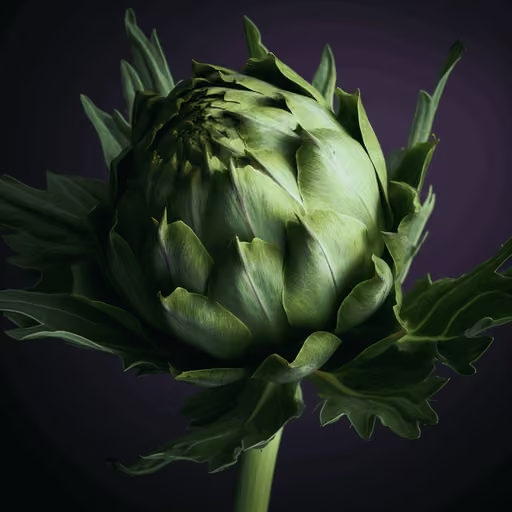


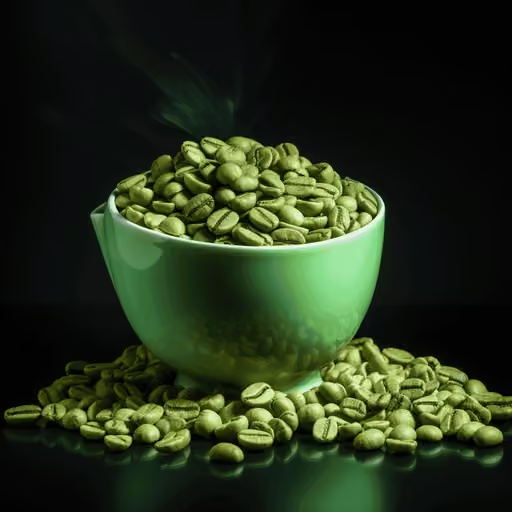


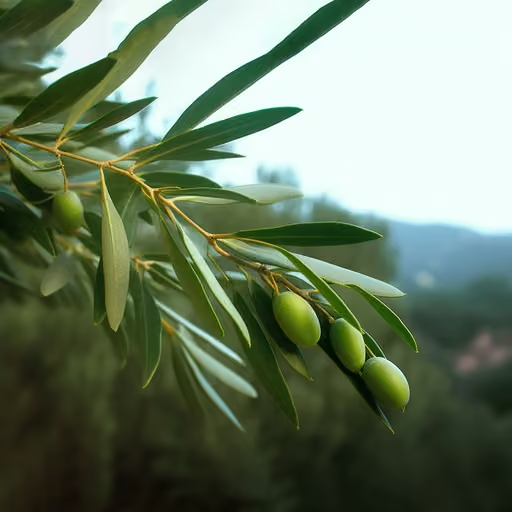


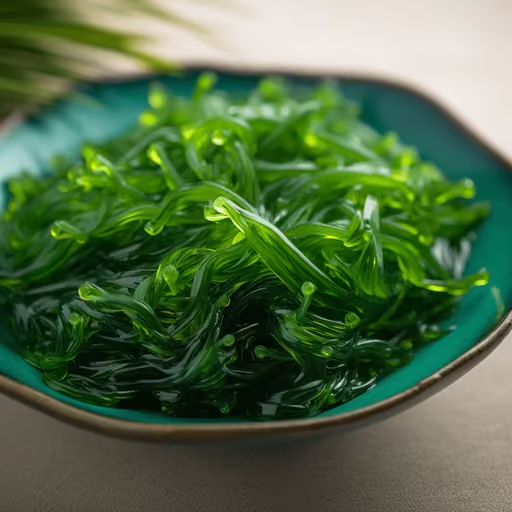















The studies, ingredient by ingredient
Curbs the liver's cholesterol synthesis; meta-analyzed randomized trials show meaningful total and LDL cholesterol reduction.
Dietary nitrate becomes nitric oxide; human trials show reproducible gains in blood pressure and vessel dilation.
Activates AMPK to drive glucose uptake, LDL clearance and triglyceride handling; one of the deepest human records here.
Its flavonoids temper cholesterol synthesis; human randomized trials show lower LDL and triglycerides, with HDL support.
A single-celled freshwater alga, green with chlorophyll, whose fiber and protein help steady blood sugar and ease the cholesterol and lipids the blood carries.
Epicatechin drives nitric oxide in the vessel lining; large trial programs established better vessel dilation.
The Q-SYMBIO trial shows mortality and functional benefit in heart failure, with blood-pressure support alongside.
Allicin and the organosulfurs — meta-analyzed randomized trials show blood-pressure reduction of a clinically decisive magnitude, with lipid and antiplatelet benefit.
Gingerols and shogaols — meta-analyzed human trials show glycemic, lipid and inflammatory improvement, a broad-spectrum metabolic and vascular agent.
Chlorogenic acid — meta-analyzed randomized trials show blood-pressure reduction independent of caffeine, an antihypertensive polyphenol.
Jiāogǔlán, the southern ginseng — gypenosides activate AMPK to command glucose, lipid and antioxidant defense; human randomized trials confirm the metabolic benefit.
Sabdariffa calyx anthocyanins — with a 13-randomized trial meta-analysis standing behind the systolic reduction.
The essential cofactor of vascular tone — meta-analyzed randomized trials show dose-dependent blood-pressure reduction.
Kalonji, the black seed of the Prophet's tradition, carries thymoquinone - easing pressure, lipids and blood fats, raising nitric oxide, calming inflammation.
Abelmoschus mucilage and polyphenols — human data on LDL and glycemic control, viscous soluble fiber that binds cholesterol at the gut.
Oleuropein — randomized human trials confirm a meaningful blood-pressure reduction, with lipid and endothelial benefit.
The marine long-chain fatty acids — RCT-proven triglyceride reduction (the reduce-it signal) and membrane-level vascular benefit. The most-validated lipid nutrient in medicine.
Phytosterols competitively block cholesterol absorption at the enterocyte — meta-analyzed randomized trials show reliable LDL reduction.
Pomegranate lowered blood pressure in human trials and improved the carotid artery wall, the vessel measurement that tracks stroke risk.
The soybean of East Asian tables, whose protein and isoflavones prompt the liver to draw more cholesterol from the blood, easing the lipid picture over time.
The cyanobacterial biomass — human randomized trials show LDL and triglyceride reduction with blood-pressure support, phycocyanin-driven.
Curcumin — meta-analyzed randomized trials show glycemic, lipid and inflammatory benefit; paired with piperine for absorption.
The summer melon's pale rind carries citrulline, which the kidney turns into arginine and then nitric oxide - letting arterial tone relax and pressure settle.
In a pooled analysis of randomized trials, garlic lowered diastolic blood pressure (9 trials) and triglycerides, total cholesterol and LDL cholesterol (14 to 15 trials).
Fermentation concentrates S-allylcysteine and stabilizes the organosulfurs behind garlic's vascular signature — human trials show improved endothelial flow-mediated dilation and blood-pressure support, without the raw bulb's harshness.
The revered date, dense in polyphenols and soluble fiber — human and translational data point to favorable lipid shifts and antioxidant protection of the arterial wall.
The marine xanthophyll that spans the whole membrane — a uniquely sited antioxidant, with human data across triglycerides, insulin sensitivity and vascular inflammation.
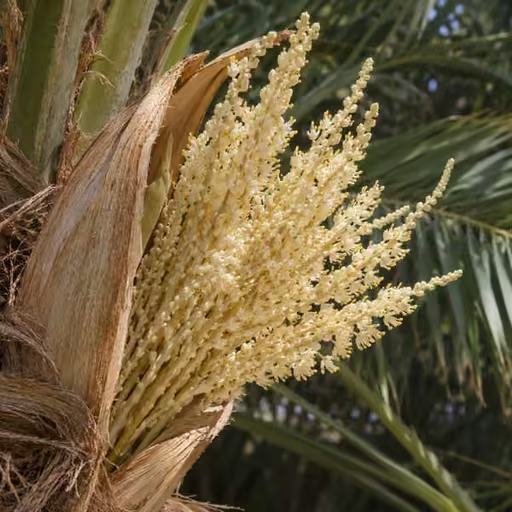
Huang Qi, the yellow root of Chinese medicine, whose astragalosides help heart muscle keep its shape and strength under strain, a reading drawn at review level.
Monounsaturated oleic acid and phytosterols remodel the lipid panel — human trials show LDL reduction while defending protective HDL, the rare fat that improves the ratio.
Aegle marmelos — the sacred bilva, rich in aegeline and marmelosin, with human and laboratory evidence supporting control of blood sugar after meals.
The African superfruit — polyphenol-dense pulp that blunts the glycemic response of a meal in human crossover work, slowing starch digestion at the source.
Anthocyanin-rich wild berry — human data on endothelial function and lipid oxidation, defending the vessel wall from within.
Ribes anthocyanins raise endothelial nitric oxide and temper post-prandial lipid oxidation — a small, potent vascular contributor.
Anthocyanins and pterostilbene — human randomized trials show improved flow-mediated dilation and arterial function, the berry with the deepest vascular trial record.
The TRPV1 agonist that recruits metabolic and vasodilatory pathways — human data on lipid handling and endothelial tone.
Elettaria's aromatic terpenes — human randomized trials report lipid and antioxidant-status improvement alongside a blood-pressure signal.
Vaccinium arctostaphylos — the Caucasus bilberry, traditionally antidiabetic, its anthocyanin load carrying human data on lipids and glycemic control.
Matricaria's apigenin — human trial data on lipid and glycemic markers, a gentle systemic anti-inflammatory with real cardiometabolic reach.
Ceylon cinnamaldehyde sensitizes insulin signaling and improves the lipid panel in meta-analyzed human trials — the true species, free of coumarin risk.
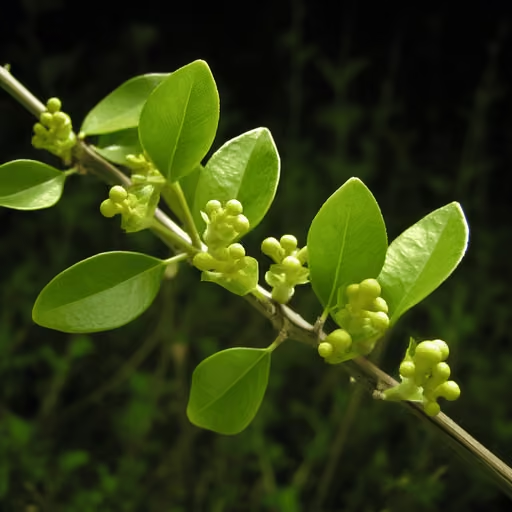
Cornus mas — iridoid- and anthocyanin-rich, with human and translational data on endothelial function and glycemic-lipidic markers.
Eclipta prostrata — Ayurvedic bhṛṅgarāja, wedelolactone-bearing, its hepatoprotective and lipid-modulating action supporting cholesterol handling.
The regulator-recognized adaptogen — eleutherosides support endothelial and stress-axis resilience, positioned precisely where its evidence lives.
Oligomeric proanthocyanidins — human randomized trials show blood-pressure and endothelial-function gains, concentrated vascular polyphenols.
EGCG catechins — human data across LDL, endothelial function and vascular inflammation, the definitive catechin source.
Psidium guajava — human trials show lipid and glycemic improvement, a polyphenol-rich fruit with a real cardiometabolic signal.
Gurmar, 'the sugar destroyer' — gymnemic acids blunt sweet absorption and support pancreatic function, with human glycemic data.
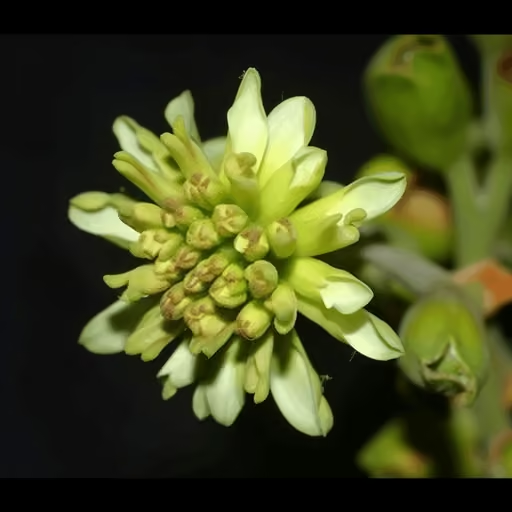
Crataegus, the May blossom of European hedgerows, long called the heart's herb; its procyanidins strengthen each contraction so the heart muscle pulls fully.
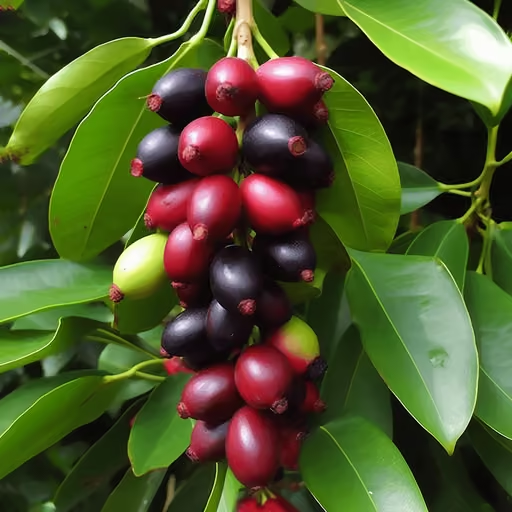
Syzygium cumini — the jambolan, jamboline-bearing, with human and traditional data on post-prandial glucose control.
Melissa officinalis — rosmarinic acid with human trial data on glycemic and lipid markers; calming and cardiometabolic at once.
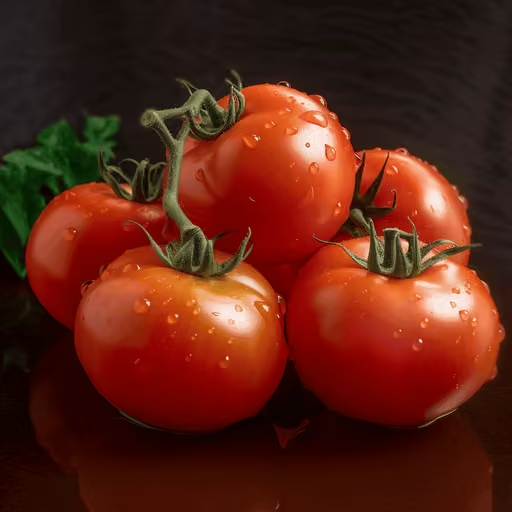
The tomato carotenoid — human data on LDL oxidation and lipid handling, delivered as the natural complex for bioavailability.
Mango mangiferin — a xanthone with human and translational anti-inflammatory and metabolic data supporting the vascular milieu.
Garcinia mangostana's α-mangostin — human data on inflammatory and glycemic markers, the queen of xanthone antioxidants.
Silymarin — hepatoprotective flavonolignans with human glycemic data, working through the liver's central metabolic role.
The fibrinolytic enzyme of fermented soy — human trials show blood-pressure and clot-dissolution support, a rare dietary route to fibrinolysis.
Allium cepa quercetin and organosulfurs — human data on lipid handling, the garlic cousin with its own vascular contribution.
Korean red ginseng — ginsenosides with human glycemic and vascular data, the sovereign adaptogen lending metabolic support.
Pycnogenol proanthocyanidins — human randomized trials show endothelial-function and blood-pressure gains, among the best-trialed vascular extracts.
The fermented dark tea — theabrownins and post-fermentation polyphenols, with human data on lipids and glycemic control.
The flavonoid antihypertensive — human randomized trials show blood-pressure reduction, a vasoprotective polyphenol of broad reach.
What resveratrol does in volunteers is shift the readings a fasting body shifts: blood sugar and blood-fat markers move, and the lining of the vessels works better with them.
Rosa canina — galactolipid- and vitamin-C-rich, with human data on blood pressure and lipids, an anti-inflammatory cardiometabolic fruit.
The Amazonian inca peanut — one of the richest plant sources of omega-3 ALA, with human data on lipids and blood pressure.
Crocin and safranal — human randomized trials show glycemic, lipid and endothelial benefit; the world's most precious spice, earning its place on evidence.
Sesamin lignans — human trials show blood-pressure and lipid improvement, a lignan-rich seed with genuine vascular data.
The broccoli isothiocyanate — Nrf2 activation with human data on blood pressure and glycemic control, the master antioxidant switch.
Arjuna, the Ayurvedic heart tree of Indian riverbanks: its bark supports the pumping strength of the heart muscle and frees nitric oxide for open vessels.
Lycopene in its native food matrix — human data across LDL oxidation, endothelial function and inflammation, the carotenoid delivered as nature complexes it.
Phaseolus vulgaris, the white kidney bean, slows the enzyme that turns starch to sugar and binds bile, helping carry cholesterol out of the body.
Delta- and gamma-tocotrienol each sped the breakdown of HMG-CoA reductase, the cholesterol-making enzyme.
These grades describe the maturity of the published science for each ingredient — not a claim that the product treats, cures, or is clinically proven for any goal. These statements have not been evaluated by the Food and Drug Administration. This product is not intended to diagnose, treat, cure, or prevent any disease.