
What the fruit is valued for is not where its chemistry concentrates.
The peel carries flavonoids the flesh does not, at concentrations the flesh never reaches. What has been established of it is vascular and metabolic: the cholesterol panel, endothelial nitric oxide (eNOS), venous wall integrity, and uric acid — the last underwriting its oldest use of all.
A flavonoid load that concentrated reaches past the vessel. Carbohydrate absorption is slowed at the brush border and sugar damage to protein reduced behind it, with insulin sensitivity, fasting insulin and blood-sugar handling moving together; blood pressure falls as the vessel relaxes. Antioxidant defense, body-wide inflammation, the clearance of worn-out cells, the liver, the appetite and sugar hormone, the sleep hormone, resistance to infection and recovery sit on the same list.
Five primary pathways of the twenty-one it targets. A pathway opens only on graded, published evidence, shown with its source at the ingredient level.
Educational only. Not evaluated by the FDA.
The story of Peel (Flavonoid Powerhouse)
Peel — ‘The Rind’ — for the part of the fruit you were taught to throw away. A fruit keeps its defenses in its skin. The rind is where it meets the sun, the insects and the weather, so it is where the plant concentrates the compounds that protect it. We peel it, discard it and eat what is inside. Peel is built from the part we throw away. What those compounds protect in you is, above all, the circulation, in both directions. On the way out, blood rides in arteries lined with a single layer of cells that release a gas telling the vessel to relax and widen (eNOS, endothelial nitric oxide). What travels in that blood matters as much as the vessel carrying it: fats packaged, carried and cleared well, or poorly (lipid metabolism). On the way back, the trip is harder. Veins carry blood uphill to the heart against gravity, helped by valves and by the tone of their own walls (venous tone). When that tone slackens, blood pools in the legs, ankles swell by evening, and the veins themselves begin to show. And there is a crystal that forms quietly in the blood. Uric acid is an ordinary waste product, but when its level climbs (serum urate), it can come out of solution as needle-sharp crystals in a joint, most often the big toe, and the immune system answers with one of the fiercest alarms the body can raise (gout). Peel works along that whole circuit: the arterial lining supported, the fats handled cleanly, the veins’ return path toned, and the urate held low enough to stay dissolved. A flavonoid load that concentrated reaches well past the vessel. It lowers cholesterol with the rest. Carbohydrate absorption is slowed at the brush border and sugar damage to protein reduced behind it, with insulin sensitivity, fasting insulin and blood-sugar support moving together and the appetite and sugar hormone reporting the change. Antioxidant defense holds the line; calmed inflammation, body-wide and in its signal, is what stops a raised number from becoming an inflamed wall; and worn-out cells are cleared rather than tolerated. The liver carries the metabolic half, the sleep hormone and recovery the restorative one, and resistance to infection sits quietly behind both. The rind was never waste. It was the part doing the protecting.
Flavonoid powerhouse — lipids, blood pressure, and vascular tone.
★ 5.0 · 200:1 · $99














The studies, ingredient by ingredient
Lowers blood fats and the sugar curve, lifts insulin's reach, damps swelling and rouses antioxidant defense.
The violet pigments of dark berries: they lower blood fats, sugar's grip on protein and vessel squeeze; insulin works harder and glucose settles.
Its unique flavonoids lower blood lipids, sharpen insulin's signal and quiet NF-κB's inflammatory call.
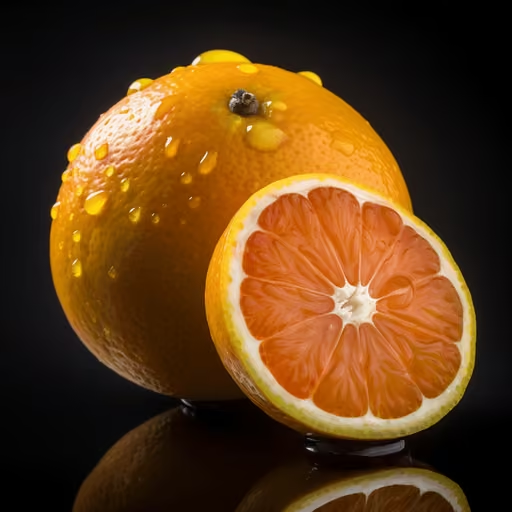
Veins lose their spring with the years and the smallest vessels slow. Bitter orange flavonoids restore tone to the vein and flow to the capillary.
Prompts the gut to release its fullness hormone, so the brain hears sooner that the meal was enough.
Citrulline, from watermelon, becomes arginine in the kidney and then nitric oxide in the vessel wall — a steady supply of the gas that lets arteries widen.
Legs heavy by evening are veins that have lost their tone. Diosmin, drawn from citrus rind, tightens the vein wall and quickens flow through fine vessels.
Cocoa's signature flavanol reaches the endothelium and raises its nitric oxide — the signal an artery reads as permission to relax and widen.
Grape polyphenols, working on reactive oxygen: a messenger in small amounts, a fire in excess.
Orange-peel hesperidin tones veins and fine vessels, raises nitric oxide, trims blood fats, broadens insulin's reach and damps NF-kB's inflammatory call.
Hibiscus was tested the way a drug is: outcomes fixed in advance, and trial sequential analysis confirming enough participants had been studied to trust the answer.
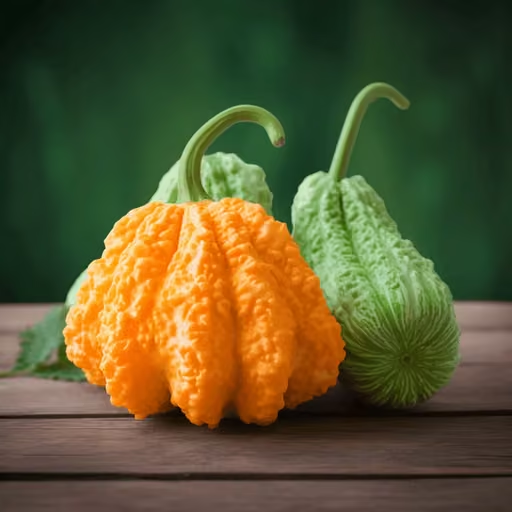
Bitter melon's peptides and saponins temper the enzymes that digest carbohydrate — the long, sharp bitterness in the gourd translates to a gentler sugar curve.
Okra's slippery pod: it slows starch digestion and sugar's binding to protein, lifts insulin's reach, and turns down the signal that sets swelling alight.
Pomegranate lowered blood pressure in human trials and improved the carotid artery wall, the vessel measurement that tracks stroke risk.
Quercetin lowered systolic pressure 3.04 mmHg in the Journal of the American Heart Association pooled analysis; an independent 2024 analysis of 20 randomized trials found it reduced systolic pressure too.
Sweet orange's flavanones help insulin land where it should — muscle and liver respond more fully, and the sugar from a meal leaves the blood in good time.
Montmorency cherries carry their own melatonin, deepening the pull toward sleep, and anthocyanins that help clear uric acid before it crystallizes.
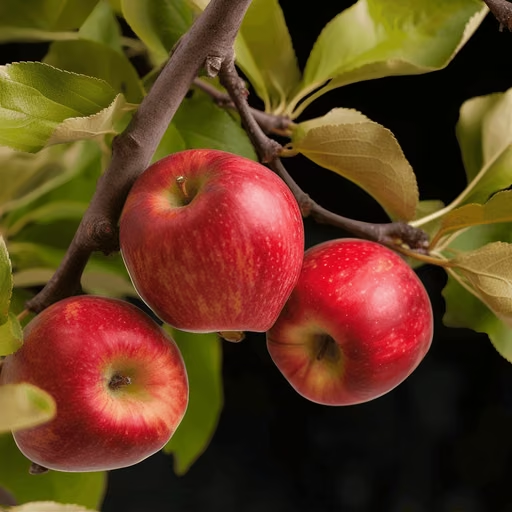
Polyphenols from the apple's skin hold back the enzymes that split starch and sugar, so carbohydrate is released into the blood gradually, not in a flood.
The dark currant's anthocyanins hold back the digestive enzymes that free glucose from starch — a meal's sugars arrive slowly, with no sharp rise in the blood.
Wild blueberry anthocyanins lift nitric oxide from the vessel lining, easing arteries open, and raise the cell's inner guard against oxidative wear.
Cranberry's proanthocyanidins act on the vessel lining itself, raising its output of nitric oxide so arteries stay supple and open to the flow of blood.
Lemon's chief flavonoid does two quiet things: muscle and liver respond to insulin with more attention, and the gut releases more of its fullness hormone.
Aging cells that refuse to die linger and leak irritants into the tissue around them. Fisetin, from strawberry and persimmon, clears those spent cells away.
Red grape skin carries resveratrol and procyanidins that coax the vessel lining into making more nitric oxide — the vessel relaxes, and blood passes freely.
Naringin, the bitterness in grapefruit, helps muscle take up glucose when insulin calls, so less of it lingers in the blood between one meal and the next.
Green tea catechins: blood fats down, starch digestion slowed, sugar kept off protein, vessel nitric oxide raised, the cell's antioxidant guard awake.
Guava leaf restrains the digestive enzymes that turn bread and rice into glucose — carbohydrate from a meal reaches the bloodstream at a walk, not a run.
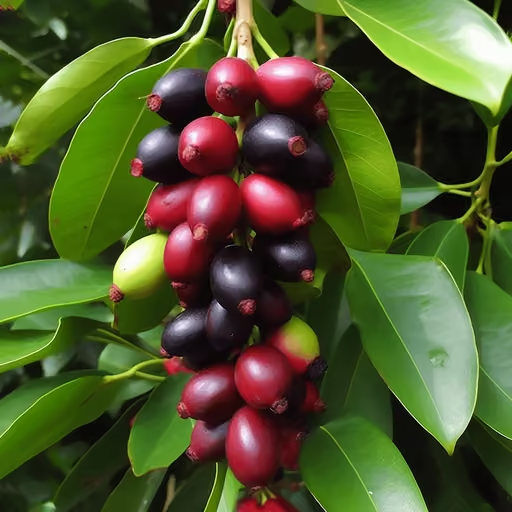
Jamun seed, long prized in India, blocks the enzymes that release sugar from starch and shields proteins from sugar's sticky bond, which ages them from within.
The red date of Chinese kitchens holds triterpenes and polysaccharides that sharpen the tissues' hearing for insulin, so glucose is taken up where it is needed.
Lemon peel polyphenols nudge the gut to release more satiety hormone after eating — which slows the stomach and tells the brain the plate has done its work.
A xanthone concentrated in mango leaf and bark: mangiferin restores muscle's attention to insulin.
Mango flesh and peel carry polyphenols that make muscle more receptive to insulin — the hormone does its work with less effort, and sugar clears without strain.
The deep purple of Patagonia's maqui berry comes from delphinidins, which slow the enzymes that turn starch to glucose and soften the rise that follows a meal.
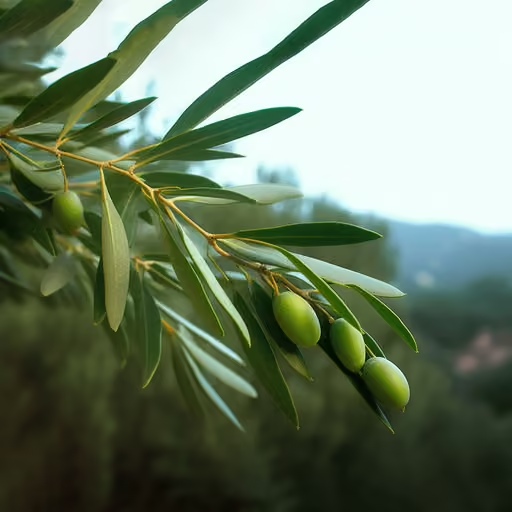
Olive hydroxytyrosol lowers blood fats and raises the vessel's nitric oxide; it sharpens insulin's signal and wakes the cell's antioxidant defense.
Onion's quercetin sits in its papery outer skins and prompts arteries to make nitric oxide — a chemical cue that relaxes the vessel and lets blood through.
Rutin, from buckwheat and the Japanese pagoda tree, braces the walls of veins and capillaries so small vessels hold firm and blood moves through them briskly.
Vitamin C lowered systolic pressure by about 3.7 mmHg.
The pale inner rind of watermelon is richer in citrulline than the red flesh — the raw material the vessel wall turns into nitric oxide to relax and widen.
In the artery, those pigments raise nitric oxide, and a stiff vessel learns again how to widen.
Young barley grass carries enzymes and flavonoids that restrain xanthine oxidase, the step where uric acid is made, so less of it builds in joint and blood.
Southeast Asia's pungent king of fruits holds fiber and polyphenols that bind cholesterol in the gut and lower the fats the liver sends into the blood.
Dark elderberry anthocyanins settle NF-kB, the switch the immune system throws when it calls for swelling, so the response stays measured and brief.
Huyou, the bitter pomelo of Zhejiang, owes its sharpness to flavanones that lower the triglycerides and cholesterol the liver exports into circulation.
A flavone in celery, thyme and artichoke, luteolin intercepts the signal that turns inflammation on inside the cell before it reaches the surrounding tissue.
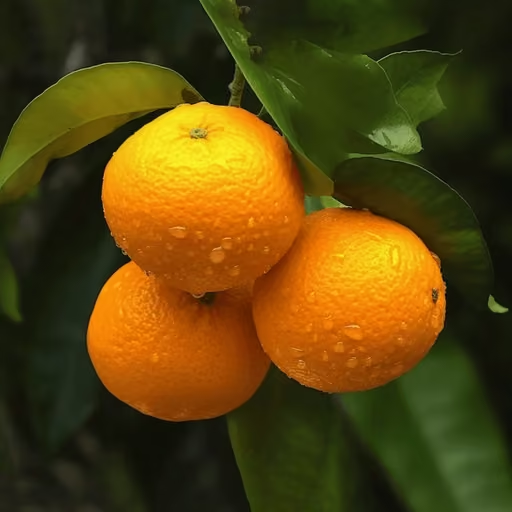
Nobiletin, a flavone concentrated in the peel of mandarins and other citrus, resets the cell's daily clock and with it the tissue's timely answer to insulin.
Unripe persimmon's astringent tannins seize the enzymes that digest starch, so a meal's carbohydrate is released slowly and the blood sugar crest stays low.
The largest of citrus fruits, pomelo carries naringenin in its thick pith, helping muscle and liver heed insulin and draw glucose from the blood.
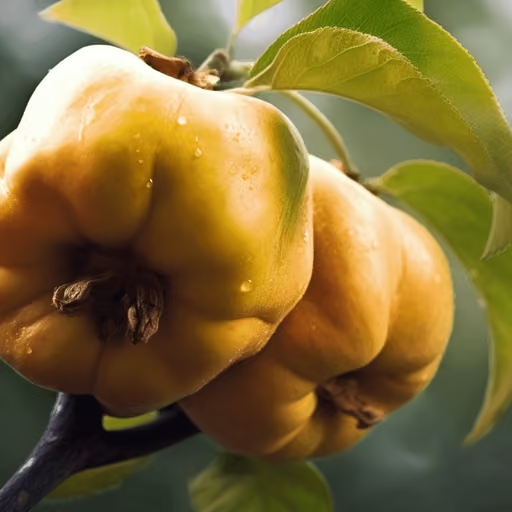
Quince, fragrant and hard, holds polyphenols in its peel that quiet NF-kB — the lever inflammation depends on to spread from one cell to the next.
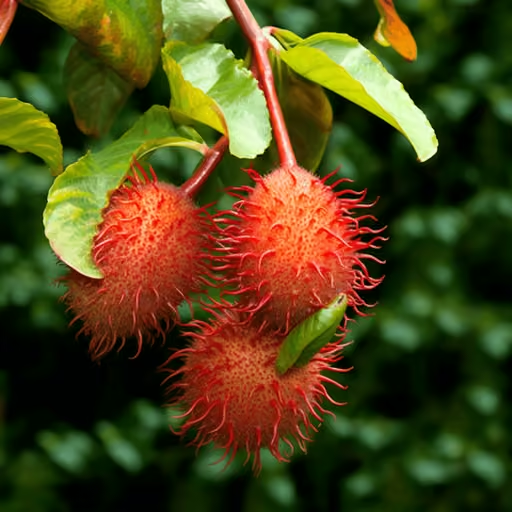
Rambutan peel, discarded in the tropics, is rich in ellagitannins — they switch on the gene that commands the cell to build its own antioxidant enzymes.
Sea buckthorn berries hold rare palmitoleic acid alongside flavonoids, a pairing that lowers triglycerides and shifts cholesterol toward a healthier balance.
Baicalin, the golden flavone of Chinese skullcap root, restrains NF-kB — inflammation is summoned less often and, once summoned, subsides sooner.
Sudachi, the small green citrus of Tokushima, carries sudachitin in its rind — a flavone that lowers blood fats by prompting muscle to burn them.
Yuzu's aromatic rind holds hesperidin and naringin that ease the liver's output of fat into the blood, and cholesterol falls into steadier numbers.
These grades describe the maturity of the published science for each ingredient — not a claim that the product treats, cures, or is clinically proven for any goal. These statements have not been evaluated by the Food and Drug Administration. This product is not intended to diagnose, treat, cure, or prevent any disease.