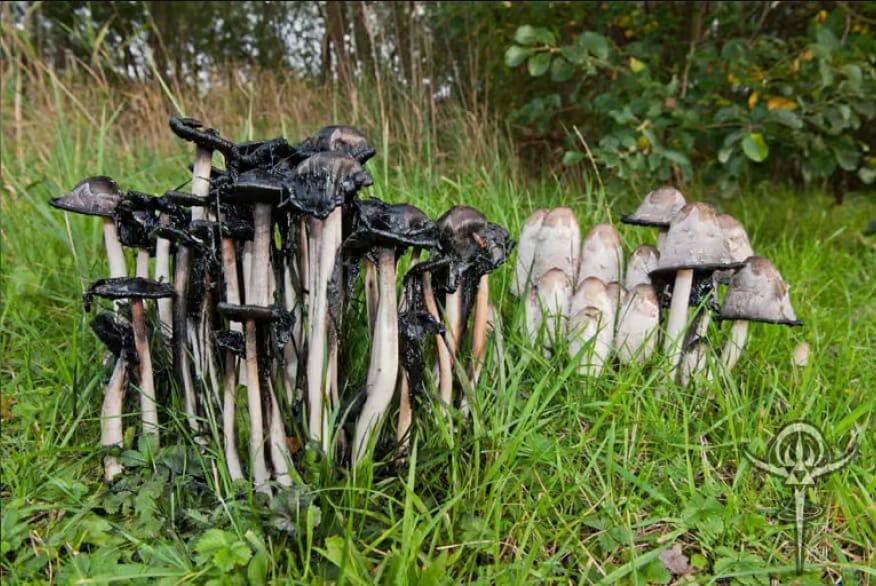
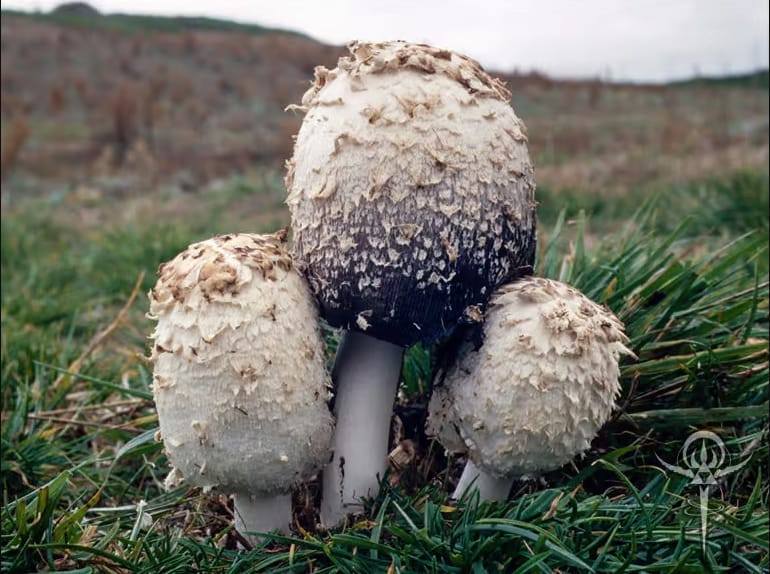
The Shaggy mane mushroom or the Coprinus Comatus are a type of common wild mushrooms which appear in the summer and fall.
These delicious edible mushrooms appear in large clusters. There is a type of protein known as Y3 which researchers at the University of Florida could bind with other proteins on the surface of a few types of leukemia cells. The translation of this it can trigger enzymes which kill over 90 percent of the leukemia cells. This suggested that the Y3 proteins within the mushroom may be an amazing candidate for leukemia treatments.
Anti-Androgenic Activity – In this study, we screened a total of 201 diethyl ether, ethanol, and ethyl acetate fungal Basidiomycetes extracts for anti-androgenic activity. Based on our screened results in combination with the selective inhibition of prostate cancer LNCaP cells, we selected Coprinus comatus and Ganoderma lucidum for further evaluation.
For the first time, to the best of our knowledge, we demonstrated that C. comatus and G. lucidum decreased androgen and glucocorticoide receptors transcriptional activity in breast cancer MDA-kb2 cells in a dose-dependent manner, and suppressed androgen receptor (AR) protein level in LNCaP and MDA-kb2 cells. Our findings suggest that AR and non-AR mediated mechanisms underlie the effects of C. comatus and G. lucidum.
Apoptosis – The antiproliferative and cytotoxic activities of the three mushroom extracts were dose-dependent, regardless of the hormone receptor status of the cancer cells. These results suggest that mushroom species Coprinus comatus, Coprinellus sp. and Flammulina velutipes contain potent antitumor compounds for breast cancer. Our finding is important due to the lack of chemotherapeutic and chemopreventive agents for ER- human breast cancer.
Anti-Cancer – In the current study, we extracted a dry powder of C. comatus fruit bodies using ethyl acetate and examined its effect on the viability of three cell lines originated from human ovarian cancer (ES-2, SKOV-3, and SW-626). This extract was active against all tested cell lines, in a dose-dependent manner (concentrations 50−200 µg/mL, P<0.01). In an attempt to segregate the active fraction, we subjected the extract to chromatography on a silica gel column.
We next identified some of the compounds of fraction F (mainly fatty acids) by gas chromatography−mass spectrometry. In summary, ethyl acetate extract of C. comatus reduced viability of three lines of human ovarian cancer. Fractionation of this extract by a silica gel column enabled the selection of a fraction significantly more active than the original extract.
These 66 extracts were screened for their effect on the viability of ovarian cancer cells (ES-2) in vitro. Four ethyl acetate extracts of Coprinus comatus, Grifola frondosa, Hypsizygus marmoreus, and Phellinus igniarius were found to be most effective, with IC50 ≤ 25 μg/mL, and were used for further evaluations. It was found that all four ethyl acetate extracts were active against other ovarian cancer cell lines: SKOV-3 and SW-626. The results indicated that the ES-2 cells revealed more anticancer activity of the extracts, in comparison to SKOV-3 and SW-626 cells.
All selected extracts were tested for toxicity and were nontoxic at the tested concentrations. Our results show that ethyl acetate extracts of the HBM strains studied reduced the viability of human ovarian cancer cells.
AKT Signaling Pathway in Obese Rats– This study assessed the effects of Coprinus comatus cap (CCC) on adipogenesis in 3T3-L1 adipocytes and the effects of CCC on the development of diet-induced obesity in rats.
These results strongly indicated that the CCC-mediated decrease in body weight was due to a reduction in adipose tissue mass. The expression level of PPARγ and phospho-Akt was significantly lower in the CCC-treated HFD rats than that in the HFD obesity rats. These results suggested that CCC inhibited adipocyte differentiation by the down-regulation of major transcription factor involved in the adipogenesis pathway including PPARγ through the regulation of the Akt pathway in 3T3-L1 cells and HFD adipose tissue.
Anti-Oxidative Activity – In this study the effects of an aqueous suspension of a commercial preparation of the mushroom Coprinus comatus on oxidative stress induced in rats by alloxane and carbon tetrachloride was examined.
Administration of Coprinus comatus suspension thus showed antioxidative potential, evidenced by an increase of antioxidative status of liver homogenate and prevention of histological changes in liver cross sections.
Diabetes – We investigated the effect of selenium-polysaccharide (SPS) isolated from selenium-enriched mycelia of Coprinus comatus on hypoglycaemic, hypolipidemic and antioxidant activities in diabetic mice.
The effects of SPS was more potent than that of polysaccharide (PS) from mycelia of C. comatus at the same dose.
Mandatory FDA Disclaimer: Not intended to diagnose, treat, cure or prevent any disease.
Mandatory FDA Disclaimer: Not intended to diagnose, treat, cure or prevent any disease.