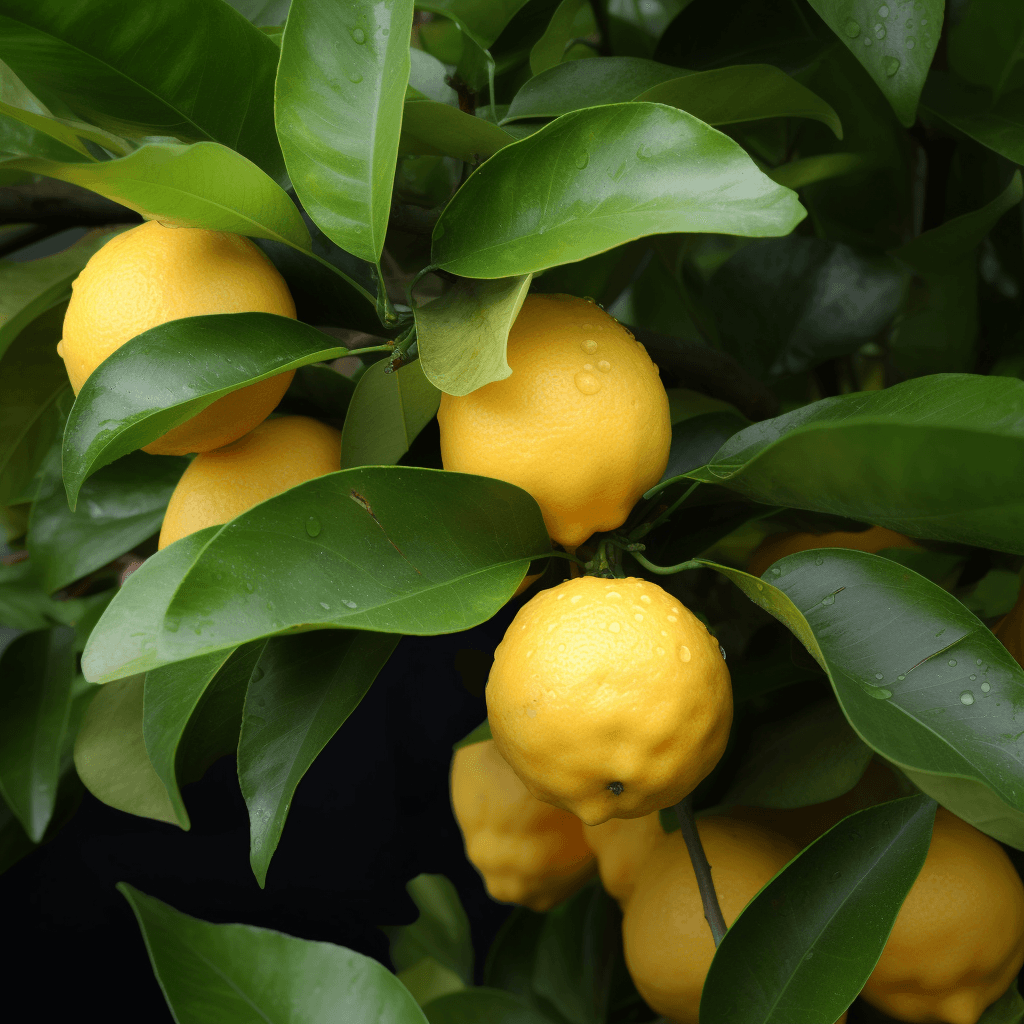
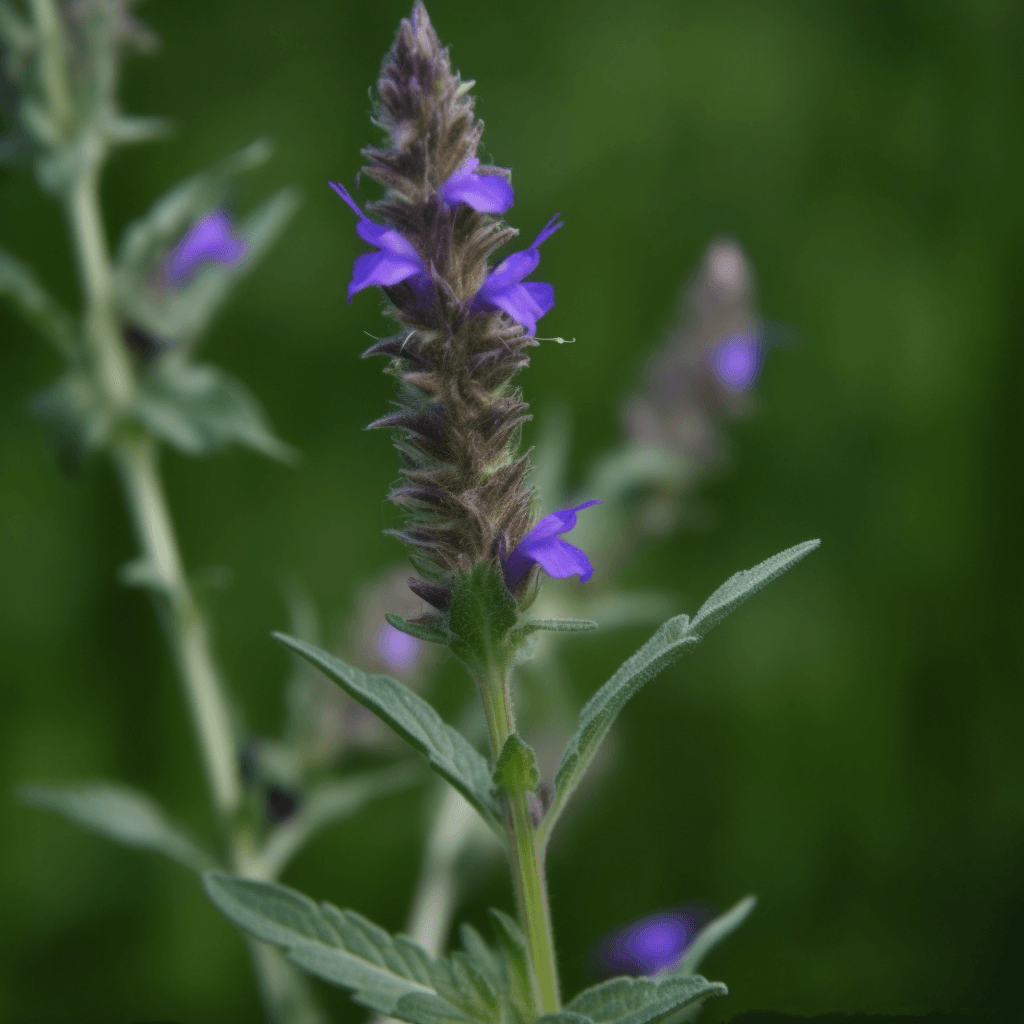
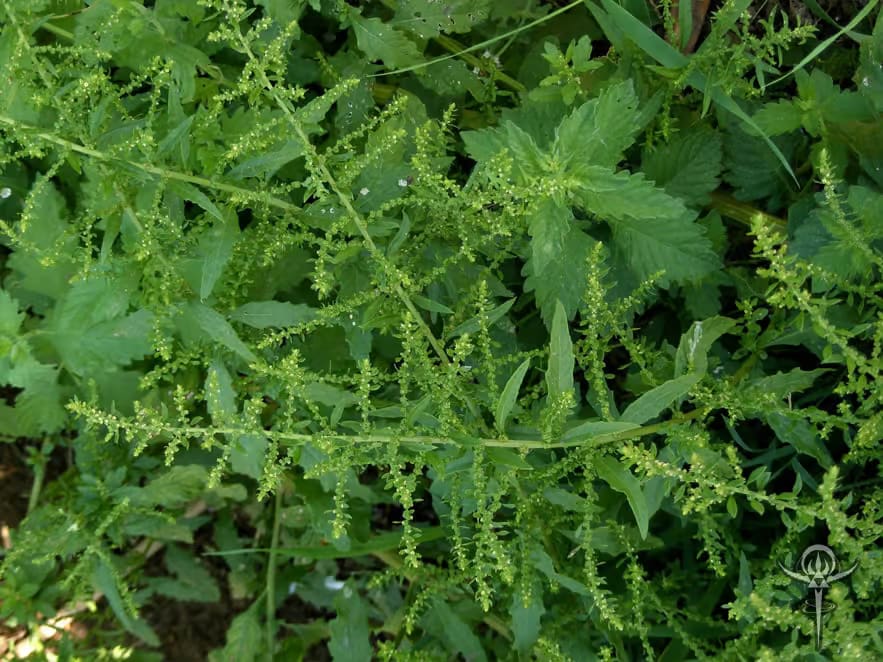
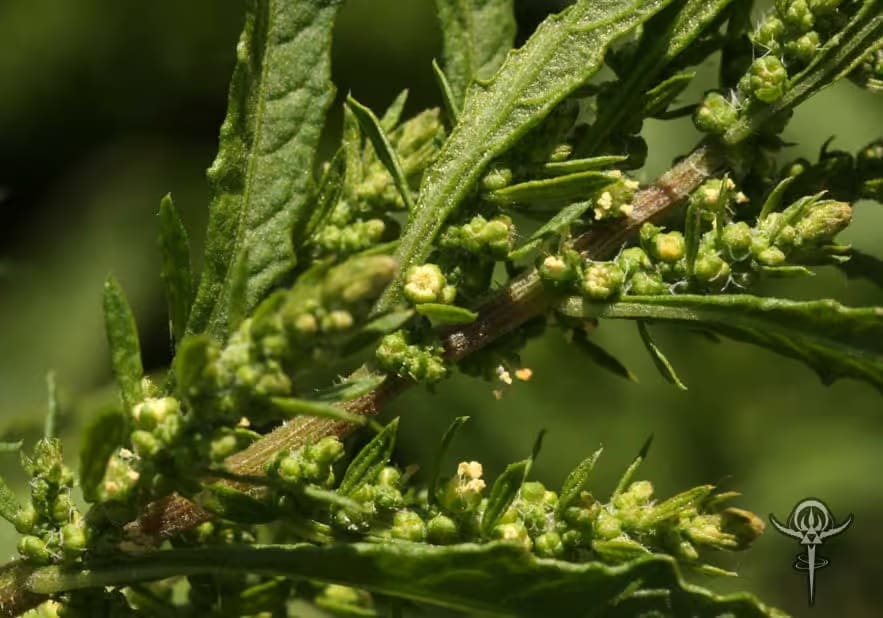
Chenopodium Ambrosioides otherwise known as Wormseed, Absinthe or Wormwood is an annual or perennial herb which can grow to five feet.
This herb flowers during the period between August and November. During the 19th century it was a popular herb for many remedies. The more commonly known one is used to remove intestinal worms, in order to flush out the system.
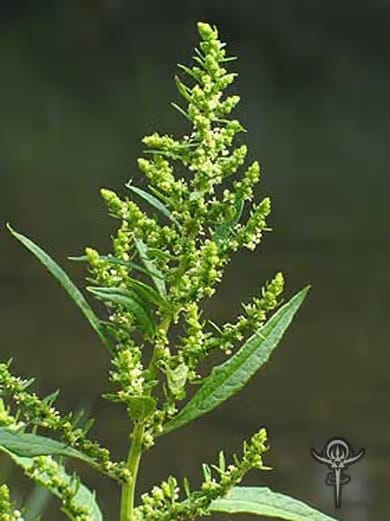
Anti-Tumor – The leaves of Chenopodium ambrosioides L. [Chenopodiaceae] (‘mastruz’) have been indicated for the treatment of several diseases, among which the cancer.
This inhibition was observed in ascitic tumor cell number, in the ascitic volume, in the tumor-bearing foot size and foot weight when compared to control mice. The treatments also increased the survival of tumor-bearing mice. In conclusion, C. ambrosioides has a potent anti-tumoral effect which was evident with a small dose and even when the treatment was given two days after the tumor implantation. This effect is probably related with anti-oxidant properties of C. ambrosioides.
Anti-Inflammatory – The aim of the present study was to further the understanding of the anti-nociceptive, anti-inflammatory and wound healing effects of ethanol extract (EE) obtained from the leaves and stems of Chenopodium ambrosioides in animal models of acute pain, inflammation and wound healing, thus supporting its medicinal use for the treatment of pain and inflammatory conditions.
The results, including the inhibition of mediators (BK, NO, SP, PGE2 and TNF-á) and enzyme (MPO and ADA) activity, validate the use of the plant under study for therapeutic treatment of anti-inflammatory, painful and wound healing processes.
Antifungal – Essential oil extracted from the leaves of Chenopodium ambrosioides Linn. (Chenopodiaceae) was tested against the aflatoxigenic strain of test fungus Aspergillus flavus Link.
During in vivo investigation it protected stored wheat from different storage fungi for one year. Chenopodium oil also exhibited potent antioxidant activity when tested by ABTS method. All these observations suggest the possible exploitation of the Chenopodium oil as potential botanical fungitoxicant in ecofriendly control of post harvest biodeterioration of food commodities from storage fungi.
Cytotoxic – A study was conducted to investigate the cytotoxic activity of the essential oil of Chenopodium ambrosioides L. against human breast cancer MCF-7 cells. The essential oil was cytotoxic to MCF-7 cell line. A dose- and time-dependent inhibition was observed with IC50 values of 18.75, 9.45 and 10.50 μg/ml at 6, 24 and 48 h, respectively. Analyses by Hoechst33258 staining and DNA ladder indicate that the essential oil induced apoptosis.
The essential oil of C. ambrosioides was cytotoxic to MCF-7 cell line and induced apoptosis.
Anti – Cancer – A study was conducted to investigate the most effective compound of C. ambrosioides essential oil for the induction of cell death in human breast cancer cells (MCF-7), and the mechanism of induction.
MCF-7 cells were treated with essential oil and its two main components, 1-isopropyl-4- methylbenzene and α-terpinene, respectively, for 24 and 48 h in vitro.
The data suggest that the essential oil of C. ambrosioides and its two main components inhibit MCF-7 cell proliferation cell death by inducing oxidative damage. However, the two main components are less effective in their anticancer activity than the essential oil.
As determined by MTT and colony formation assays, its growth inhibitory effects were dose‑ and time‑dependent. Furthermore, PE extract‑treated A549 cells exhibited dose‑dependent cell growth arrest at the G1 phase of the cell cycle and cell apoptosis was induced. These results provide useful data on the anticancer activities of C. album L. in human lung cancer and demonstrated the novel possibilities of this plant in developing lung cancer therapies.
The present study, for the first time, screened different phytochemical extracts from C. album L. against non-small cell lung cancer A549 cell to explore their anticancer activities, and demonstrated that the PE extract of C. album L. specifically inhibited A549 cell growth by inducing cell cycle G1 phase arrest and cell apoptosis. These results may provide valuable data for assessing the possible usage of phytochemicals from C. album L. in exploring and developing novel cancer therapies and healthcare products.
Clean liver – The ability of Wormwood (Artemisia absinthium L.) extract (A.Ab) to restore membrane-bound enzymes like Na+-K+-ATPase, Ca++-ATPase, Mg++-ATPase, and oxidative damage induced by lead were investigated.
After 4 weeks, the intoxicated group who received A.Ab showed a significant reduction in TBARS and carbonyl levels in liver and kidney compared to group exposed to lead. A.Ab restored the levels of membrane-bound enzymes and lipid levels to near normal. These results indicate that aqueous Wormwood extract had a significant antioxidant activity and protect liver and kidney from the lead-induced toxicity.
Mandatory FDA Disclaimer: Not intended to diagnose, treat, cure or prevent any disease.
Mandatory FDA Disclaimer: Not intended to diagnose, treat, cure or prevent any disease.